The Human Cost of Military Strategy: Israeli Demolitions in Southern Lebanon
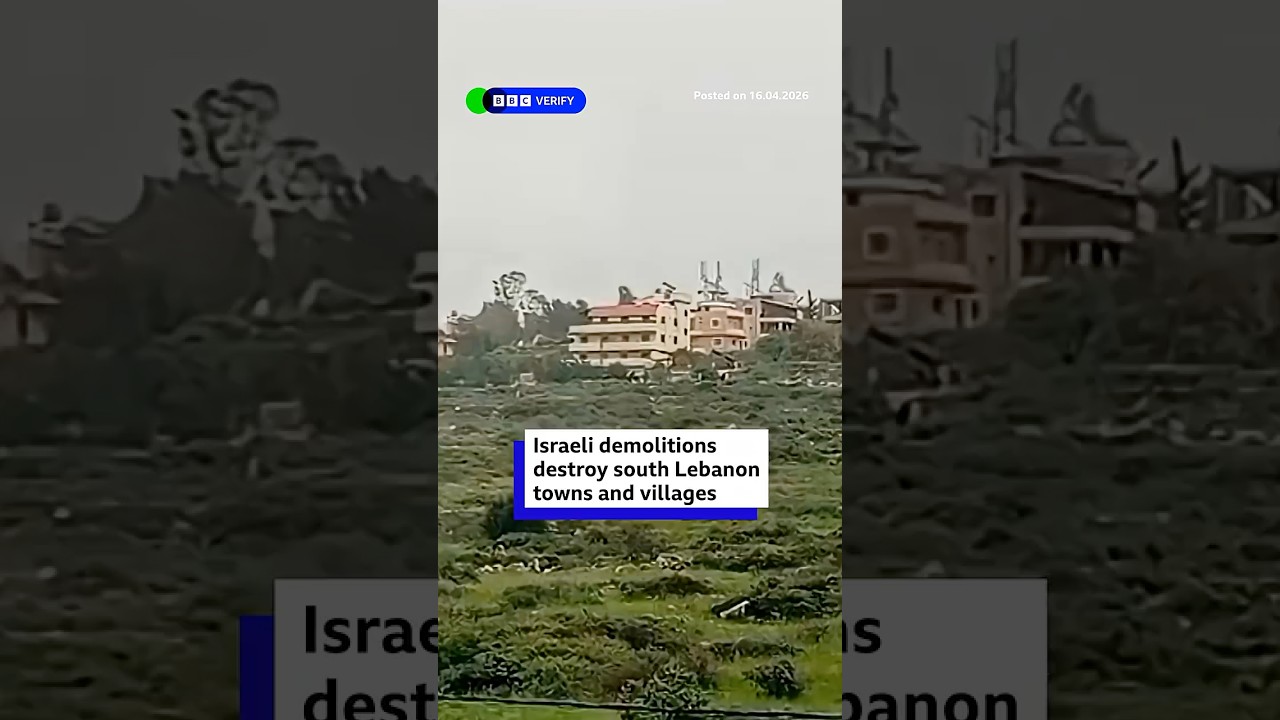
In the complex and often devastating landscape of international conflict, the recent Israeli military operations in southern Lebanon have raised significant alarm among humanitarian organizations and legal experts. It may resemble footage of a missile strike, but the destruction witnessed in affected towns and villages is, in reality, the result of a controlled demolition executed by Israeli forces. Since March, over 1,400 buildings have been reduced to rubble, according to credible investigations, suggesting actions that may be categorized as war crimes.
The backdrop for this destruction involves the heightened tensions following missile launches by the Iranian-backed group Hezbollah into Israeli territory. These retaliatory actions were taken in response to the ongoing US-Israel military operations against Iranian influence in the region. In a calculated maneuver, Israeli officials have justified their actions as necessary for national security, claiming they are targeting key Hezbollah strongholds in the area.
Our findings reveal that at least seven villages are experiencing the brunt of this destruction, with Taybeh standing out as a particularly hard-hit area. Located just four kilometers from the Israeli border, Taybeh has reported more than 400 buildings destroyed. Verified aerial footage shows the systematic detonation of structures following the placement of explosives by Israeli military personnel. While this offers just a glimpse into the widespread devastation, the scale of Israeli military operations likely surpasses the current figures available, indicating a broader humanitarian crisis unfolding in the region.
The implications of these demolitions extend far beyond physical infrastructure. The United Nations reports that over 820,000 people have been displaced from southern Lebanon since the onset of this conflict. This massive displacement is not merely a statistic; it’s a somber reflection of lives uprooted, with families forced to flee their homes, communities fractured, and basic human rights severely compromised.
Israel’s military objectives have been framed as an effort to establish a “security buffer zone” that stretches up to the Litani River, an area covering approximately ten percent of Lebanon. However, this pursuit of security raises serious ethical and legal questions. Is it justifiable to prioritize military strategy at such a human cost? Israel’s Defense Minister, Israel Katz, has indicated that the actions taken against Lebanese homes are in line with tactics employed in Gaza, seemingly normalizing a devastating model of warfare that prioritizes destruction over diplomacy.
According to Lebanon’s health ministry, the conflict has claimed over 2,000 lives, a staggering number that underscores the brutality of the situation. On the Israeli side, 13 soldiers and two civilians have been reported killed by Hezbollah over what has been a tumultuous six-week period. While casualties on both sides are tragic, the overwhelming toll on civilians in Lebanon raises an urgent moral imperative for international scrutiny and action.
The Israeli Defense Forces (IDF) maintain that their operations are within the bounds of international law, asserting that properties are only destroyed when deemed militarily necessary. Yet, such claims invite skepticism from various human rights organizations that argue this rationale often overlooks the collateral damage borne by innocent civilians—those who bear the brunt of military campaigns and find themselves entangled in the crossfire.
As the situation evolves, it is imperative for both local and international bodies to critically examine the ramifications of such military strategies. The urgent need for humanitarian assistance and intervention has never been clearer. The destruction of homes, the displacement of families, and the ongoing loss of life represent not just statistics, but a profound human tragedy requiring immediate attention.
In a world where geopolitical interests often overshadow humanitarian concerns, the plight of those affected by these demolitions must not be relegated to the background. Understanding the multi-faceted impacts of military actions is crucial—not only for the victims but also for the future of regional stability and peace. The time to address the humanitarian implications of military decisions is now; failure to do so may only deepen the cycle of conflict and suffering in an already fragile region.