Major Construction Begins on the Bradford Bypass: A Step Towards Alleviating Traffic Congestion
Excitement and apprehension swirl around the Bradford Bypass project, which has recently entered a significant phase of construction. This more than 16-kilometer freeway aims to provide a direct link between Highway 400 in Simcoe County and Highway 404 in York Region. With this ambitious undertaking, the Ontario government seeks to tackle one of the most pressing issues faced by commuters—traffic congestion.
The Ontario government, led by Premier Doug Ford, has branded the Bradford Bypass as vital to the region’s economic and infrastructural development. Supporters argue that the new route will reduce travel times, facilitate commerce, and distribute traffic more evenly across the existing road networks. This is particularly relevant given the burgeoning population in the Greater Toronto Area (GTA), where traffic bottlenecks are increasingly common.
However, the ambitious project is not without its critics. Environmental groups have voiced strong opposition, citing potential ecological damage and the impact on local wildlife habitats. Detractors raise concerns that the construction could hasten urban sprawl, further endangering natural landscapes. They contend that investing in public transit infrastructure might be a more sustainable solution to the region’s congestion woes.
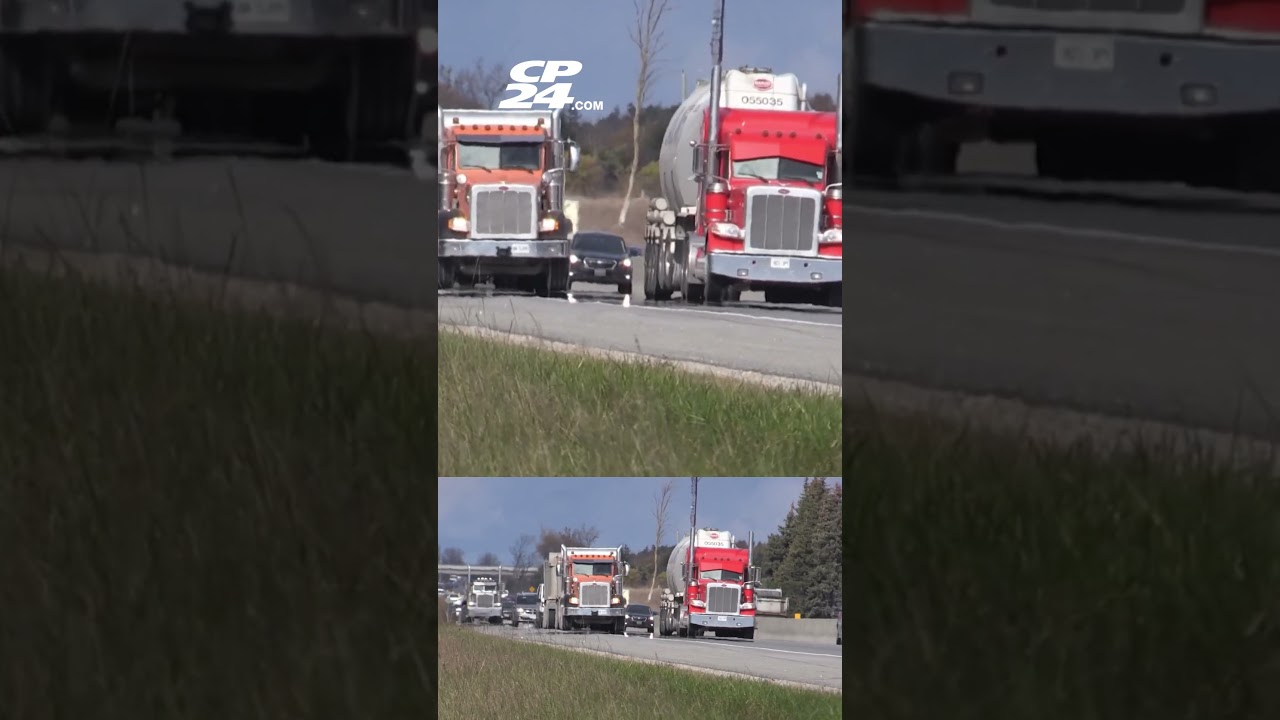
As the first phase of construction progresses at Side Road 10 in Bradford West Gwillimbury, crews have begun laying the groundwork for this critical roadway. Heavy machinery and construction vehicles are now a common sight, marking a significant step toward the completion of this extensive project. In a recent announcement, provincial authorities confirmed that the new route will carry the designation of Highway 425, providing a formal identity to the corridor.
The decision to name the bypass Highway 425 reflects its importance in the regional transportation network. As a designated highway, it is expected to enhance safety, increase reliability, and improve connectivity for motorists. The Ford government has positioned this initiative as part of a broader strategy to modernize transportation infrastructure and accommodate the expected influx of residents and businesses in the area.
Nevertheless, the narrative surrounding the Bradford Bypass is complex. While the provincial government emphasizes its potential to alleviate congestion, many residents feel overlooked. Public consultations have been met with varying degrees of engagement, raising questions about whether all community voices are being considered in the decision-making process. Local stakeholders worry that the emphasis on road construction might detract from investments in sustainable transit options.
Adding another layer to this intricate discussion is the issue of funding. The project’s financial backing draws attention as the province navigates its budget constraints. Critics argue that the allocation of funds towards highway development might deprive other essential areas, particularly public transit systems that could offer long-term relief from congestion.
Moreover, the planning of the Bradford Bypass has sparked debates about land use and environmental stewardship. As construction advances, the potential impact on nearby ecosystems remains a key concern for many residents and advocacy groups. Striking a balance between development and environmental preservation is a delicate challenge that requires careful consideration and planning.
Ultimately, the Bradford Bypass stands as a pivotal project for Ontario. As its construction progresses, it will undoubtedly affect thousands of daily commuters. Whether it succeeds in alleviating congestion while minimizing environmental impact will depend on ongoing community engagement and responsible management of the resources involved.
In conclusion, the inception of major construction on the Bradford Bypass represents an essential chapter in the evolution of regional transportation in Ontario. Amidst significant debates regarding its implications, the project is poised to reshape the flow of traffic in an increasingly congested area. As stakeholders continue to grapple with the trade-offs involved, the broader implications for the region’s future remain a topic of considerable interest and concern.