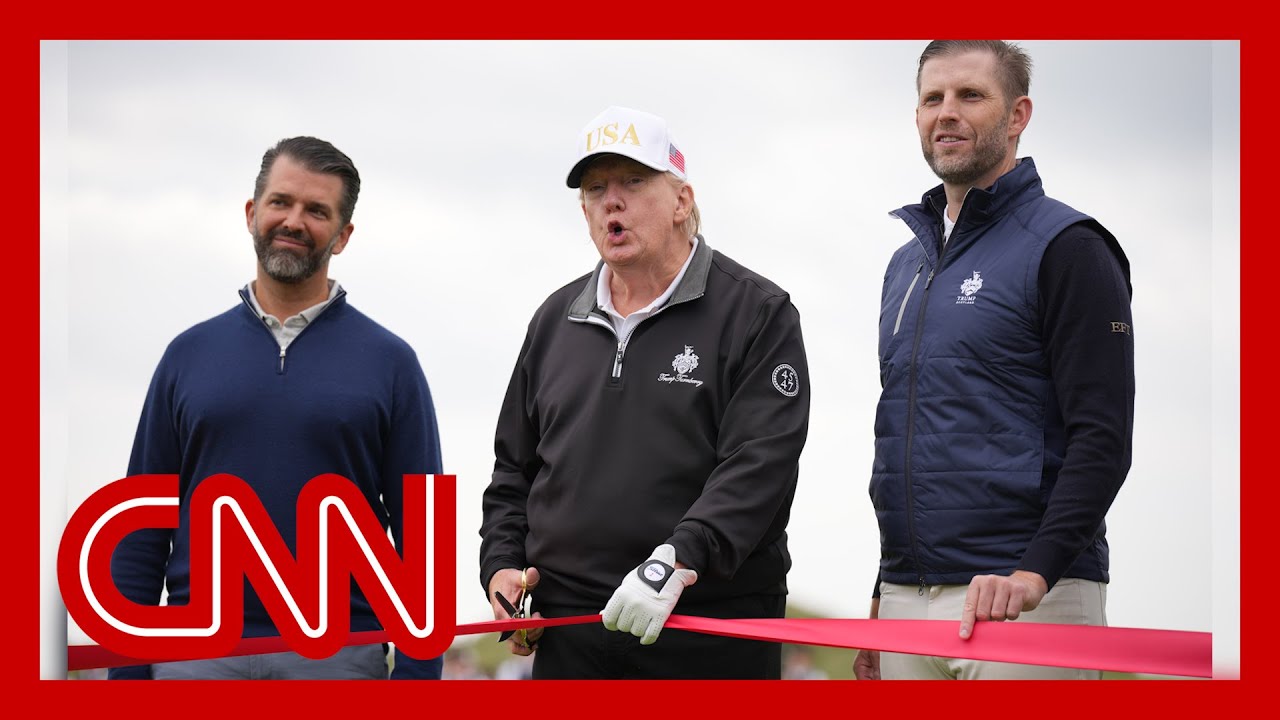
Unprecedented Profits: The Trump Family’s Financial Gains in the First Year of Office
In an extraordinary analysis by The New York Times editorial board, evidence has emerged highlighting the financial windfall amassed by the Trump family during the first year of Donald Trump’s presidency. According to their estimates, the Trumps have profited at least $1.4 billion in various ventures, an unprecedented figure that raises significant ethical and legal questions.
This staggering total encompasses multiple streams of income, including lucrative licensing deals associated with Trump’s name, a series of overseas real estate projects, and investments pivoting into the increasingly volatile cryptocurrency market. What stands out is that this amount exceeds the cumulative earnings from Trump’s entire business portfolio up until that point, establishing a new financial benchmark.
The scope of this wealth accumulation is particularly striking given Trump’s prior financial struggles. As a business magnate, he experienced mixed outcomes, yet the past year seemingly eclipsed all previous milestones, suggesting that the Trump family’s business model has rapidly evolved. Notably, recent moves have included transforming their social media venture into a bitcoin repository, indicative of their aggressive strategy to monetize emerging markets. Such transformative actions mark a departure from traditional business practices, ushering in new methods of profit generation directly intertwined with public policy.
Critics of the Trump administration have pointed to ongoing conflicts of interest. For example, Trump Jr.’s Washington-based private club has been described as a venue granting access to government officials for paying members—a practice that, while troubling, pales in comparison to the family’s dealings in cryptocurrency. Estimates suggest that the altcoins involved could net the family upwards of $800 million, raising eyebrows among watchdogs and legislators alike.
The blend of government policy and personal profit reached alarming levels when examining the influence of foreign entities on the family’s financial affairs. A multi-billion-dollar investment from the United Arab Emirates was funneled through a newly minted Trump cryptocurrency, highlighting an array of complex interactions between private and public interests. Critics argue that the lack of transparency surrounding these deals creates an environment rife with ethical dilemmas.
Despite these financial machinations, many Americans remain concerned primarily with immediate domestic issues, such as job security and rising grocery prices. This disconnect may contribute to the difficulty in garnering substantial public outrage over the Trump family’s burgeoning wealth. Although some critics have decried this as blatant self-dealing, many members of Trump’s supporters seem unfazed. They associate his brand with wealth and success, and many believe that he is employing strategies that are not new to political figures.
The discussion surrounding Trump’s financial entanglements is framed against a backdrop of systemic issues in government oversight. Analysts and political commentators alike have noted that Congress appears to have abrogated its responsibility to provide checks and balances, thereby enabling these financial operations to thrive unchecked. The absence of restraint has led to what some have termed a "grift" culture flourishing within the halls of power.
Examining the comparison with previous administrations reveals another dimension to this narrative. While other presidents like Bill Clinton and Barack Obama have also accrued significant wealth post-office, the scale and nature of the Trump family’s profits emerge under different circumstances. Clinton entered his presidency with substantially less wealth and exited with riches stemming from book deals, none of which were aligned with foreign interests in the same overt manner as Trump’s current situation.
Critics assert that the brazenness of the Trump family’s financial pursuits during his time in office not only challenges ethical boundaries but also encompasses potential breaches of legal statutes. The intertwining of personal wealth with presidential decisions raises essential questions about the integrity of public office.
In summary, the Trump’s financial odyssey over the last year has unveiled a troubling pattern of wealth acquisition that intertwines personal gain with public service. As public interest matures, so too does the demand for transparency in a political landscape where the line between personal and public interests becomes increasingly blurred. The implications of this narrative extend beyond the financial realm, prompting a reevaluation of ethical standards within governance, unique to this presidency.