The Rising Tide of Ebola in the Democratic Republic of Congo: A Call to Action
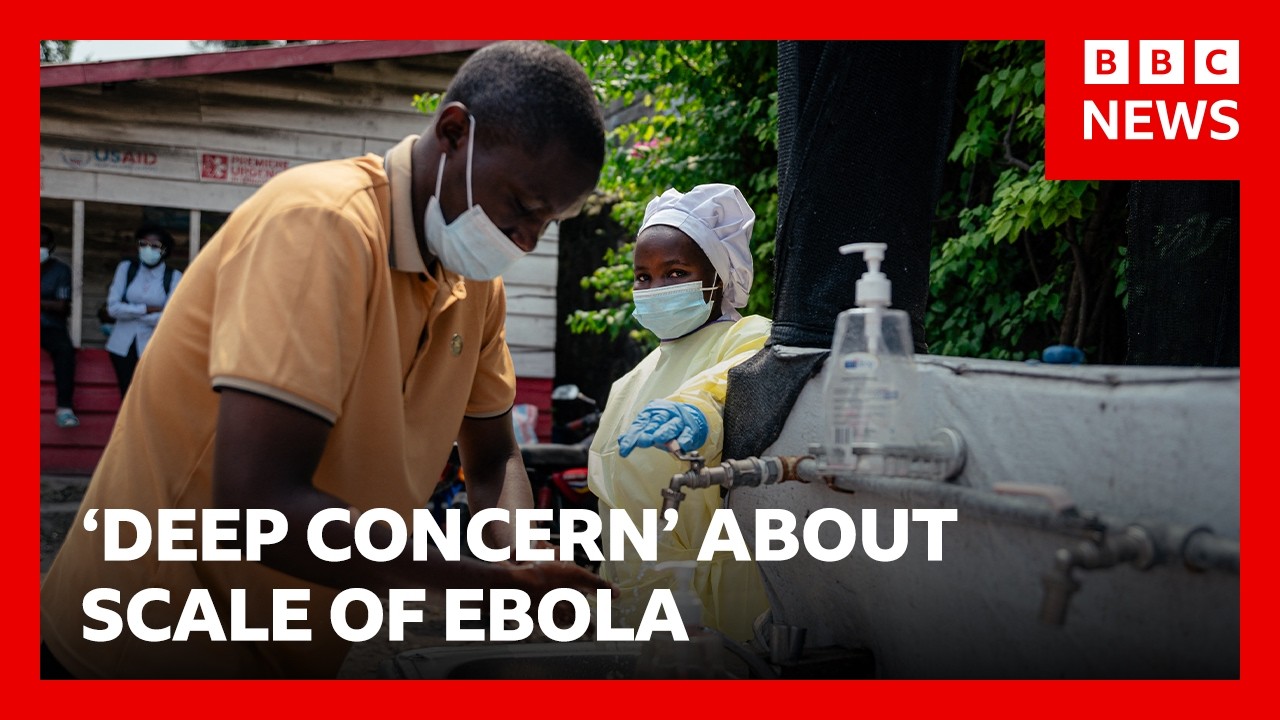
The Democratic Republic of Congo (DRC) is grappling with a grave public health crisis as the Ebola outbreak claims over 130 lives and leaves more than 500 suspected cases in its wake. With the World Health Organization (WHO) convening an emergency meeting to address the situation, the urgency of the matter has never been clearer. WHO’s Director-General expressed profound concern over the rapid spread and scale of the epidemic, citing it as a primary reason for declaring the outbreak a Public Health Emergency of International Concern under Article 12 of the International Health Regulations.
Greg Ramm, Country Director for Save the Children in the DRC, recently returned from the epicenter of the outbreak in Ituri province. His firsthand account sheds light on the alarming reality on the ground. Ituri, already burdened by ongoing conflict and humanitarian crises, faces an added challenge in combating the Ebola outbreak. Notably, Ramm emphasized that the situation is just "the tip of the iceberg," suggesting that the reported numbers may only scratch the surface of a much larger epidemic.
One of the critical issues highlighted by Ramm is the dire state of the healthcare infrastructure in the area. Despite ongoing support from organizations like Save the Children, facilities remain rudimentary and ill-equipped to handle a disease as devastating as Ebola. Essential supplies, such as infection control resources, chlorine for sanitation, protective gear for health workers, and body bags for safe burials are alarmingly scarce. This deficiency contributes to hesitation among healthcare workers and the wider community, complicating the efforts to control the outbreak.
The WHO and Congolese health authorities are mobilizing resources, but the clock is ticking. Ramm notes that initial testing primarily targeted the more common strains of Ebola in the region. However, the emergence of this unique strain has complicated early detection efforts, allowing the virus to spread across multiple regions of Eastern DRC. This dynamic creates a scenario where existing public health measures may be inadequate to stem the outbreak efficiently.
The impact on local communities is substantial. Families are witnessing the slow, painful demise of their loved ones due to a disease that is often perceived as both mysterious and grisly. As fear spreads alongside the virus, residents are pleading for assistance. The community’s desperation only deepens as they strive to access basic healthcare services for issues like malnutrition and malaria. The situation underscores the critical need for keeping health centers operational, especially since these facilities serve as lifelines for various medical needs beyond the Ebola crisis.
International response to the outbreak is intensifying, with funding being mobilized and aid efforts ramping up. However, as emphasized by Ramm, more resources are urgently needed. Organizations like Save the Children have established health programs in Ituri and other vulnerable regions, but time remains an enemy. Effective response is contingent upon the rapid deployment of critical equipment and personnel to contain the outbreak before it spirals further out of control.
For those living in and around the DRC who may be anxious about the unfolding crisis, understanding Ebola’s symptoms is crucial. Those experiencing fever, particularly after contact with someone suspected of having Ebola, should seek medical attention immediately. However, Ramm cautioned against panicking; fever can be indicative of various health issues, including malaria, which also demands prompt treatment. It is essential for individuals to avoid spreading fear and rumors while encouraging others to access healthcare as needed.
The situation in the DRC is urgent and requires immediate action from domestic and international stakeholders. The broader implications of this outbreak affect the entire region, demanding collaboration and resources to provide relief and prevent further loss of life. As Greg Ramm poignantly states, “We need to make sure that the people of Ituri province and beyond are not forgotten.” The world must rally to their aid before the tide of this devastating epidemic rises further.