Court Appearance for Alleged Shooter: A Closer Look at Cole Thomas Allen and the Manifesto
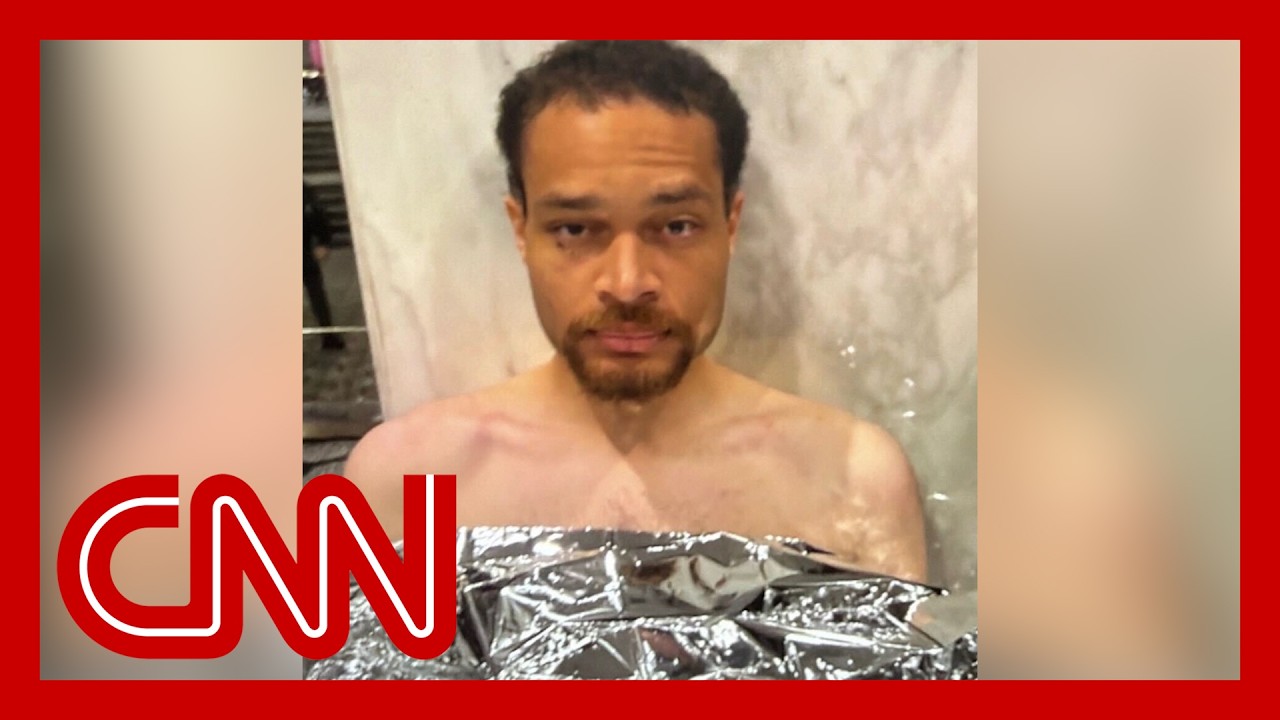
In a case that has garnered national attention, 31-year-old Cole Thomas Allen is set to be arraigned today following his alarming attempt to attack the White House Correspondents’ Dinner. Allen, a part-time teacher from California, faces serious federal firearm and assault charges stemming from the incident, which has raised profound concerns about political violence.
Investigators have revealed that Allen legally purchased two firearms in recent years. This includes a shotgun, which was central to the unfolding events at the dinner. Just moments before the attack, he allegedly sent a disturbing note to family members, expressing anger towards the U.S. administration and outlining his intentions. He wrote, “I don’t expect forgiveness,” a statement that highlights his premeditated approach to the violent act.
The so-called manifesto, a chilling document that Allen shared with family shortly before the attack, has drawn significant attention from law enforcement officials. Unfortunately, family members did not see these writings until after the incident, but they promptly reported their concerns to authorities. In this manifesto, Allen did not hesitate to specify his intent, labeling administration officials as potential targets—a detail that has intensified the investigation.
CNN Senior Law Enforcement Analyst Andrew McCabe noted the importance of such manifestos in understanding the motivations behind acts of violence. Investigators will carefully examine Allen’s writings not only for evidence of further plotting but also to glean insights into the underlying reasons that propelled him to take such drastic actions. Understanding these motivations is crucial for law enforcement, as it can help in identifying and mitigating threats before they occur.
The family members who received Allen’s manifesto will undoubtedly be integral to the investigation. As McCabe explained, family dynamics can provide valuable insights into an individual’s behavior and state of mind. Just as Ted Kaczynski’s family played a pivotal role in identifying him as the Unabomber, Allen’s relatives may help unravel the complexities surrounding his motivations and attitudes preceding the violent act.
As for the legal proceedings, Allen’s arraignment signals the beginning of a lengthy judicial process. He is expected to plead not guilty to the charges. The court will assess the issue of bail—an outcome highly unlikely given the severity of the allegations. Following the arraignment, additional charges may be forthcoming as investigators delve deeper into the case. Given the manifestos, which portray a clear animus toward political figures, further charges, potentially including attempted assassination, remain on the table.
Legal experts continue to analyze the implications of Allen’s writings. CNN Senior Legal Analyst Elie Honig highlighted that manifestos can serve as critical evidence, confirming the intent behind the actions. If the writings explicitly outline an aim to harm prominent political figures, prosecutors may have grounds to pursue even graver charges, reinforcing the gravity of the situation.
Families, like Allen’s, are often positioned to intervene when signs of radicalization emerge. As law enforcement faces a growing challenge in identifying potential threats, the importance of familial awareness cannot be overstated. Allen’s case exemplifies how political grievances can rapidly evolve into violent intentions, leaving authorities scrambling to prevent acts of violence that could have catastrophic consequences.
In sum, as Cole Thomas Allen prepares to face the court, the implications of his actions extend far beyond the immediate danger he posed. His manifesto offers critical insights into the motivations behind political violence in contemporary society. The legal proceedings will not only scrutinize his actions but also serve as a pertinent reminder of the escalating tensions that accompany political dissent. In understanding the ‘why’ behind such actions, authorities can strive to identify and mitigate future threats. This case, marked by alarming intentions and a deep-rooted political grievance, highlights the complexities that law enforcement and society at large must confront in an increasingly polarized climate.