The Rising Tide of Chinese Espionage in the U.S.
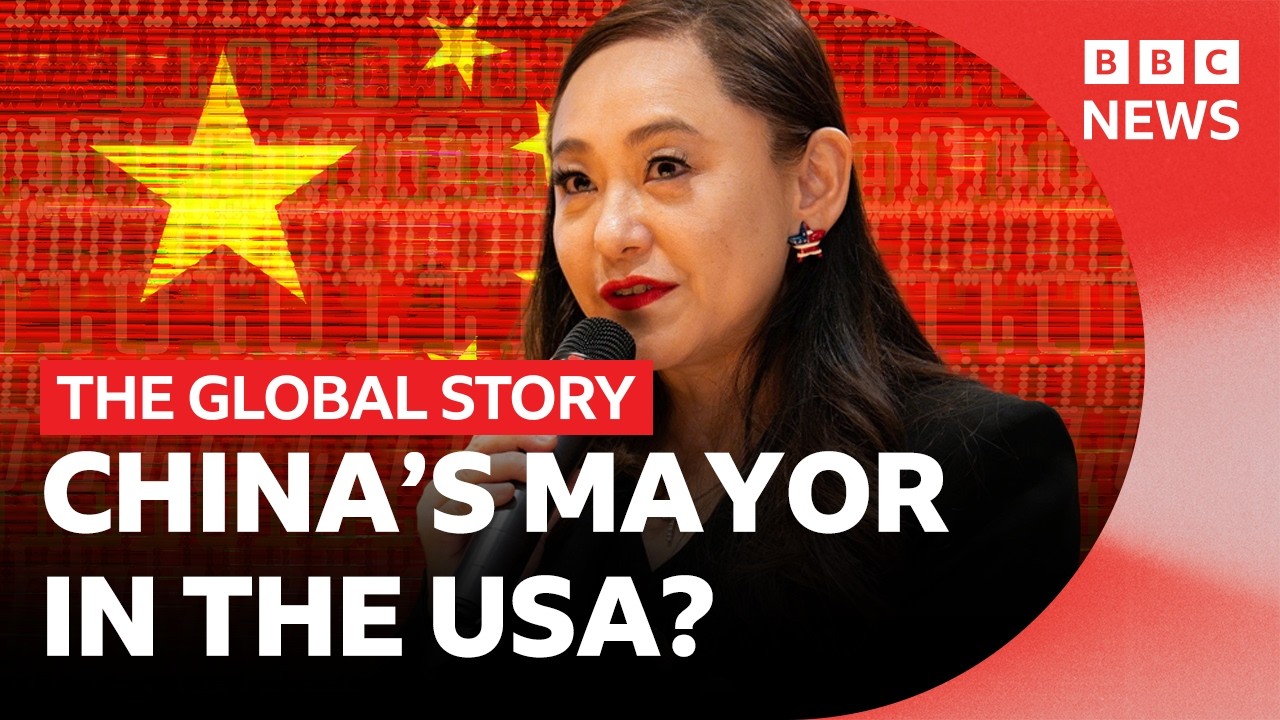
In recent months, the United States has witnessed a series of disturbing events that have raised alarms about the scale and sophistication of Chinese espionage operations on American soil. The mayor of Arcadia, California, resigned abruptly after federal charges surfaced, alleging she acted as an illegal agent for the People’s Republic of China. Just days later, a New York man was convicted for operating a clandestine Chinese police station. These incidents signal a growing concern among U.S. intelligence circles regarding Beijing’s aggressive strategy to influence and manipulate public opinion in the West.
The Eileen Wang Case: A Peculiar Instance
One of the more notable examples involves Eileen Wang, a former city council member in Arcadia. Born in China, Wang immigrated to the United States nearly three decades ago. Her activities reportedly included setting up a website aimed at Chinese Americans, where she disseminated pro-China narratives, particularly around contentious issues like the human rights situation in Xinjiang. Allegedly operating under the direction of Chinese officials via WeChat, Wang’s actions exemplify a new form of covert influence—shaping discourse rather than simply gathering intelligence.
Wang’s case raises important questions. Traditional espionage often evokes images of spies collecting state secrets. Wang’s actions, however, revolve around influencing public sentiment and political discourse, prompting a reevaluation of what constitutes espionage in today’s interconnected world.
A Broader Network?
While Wang’s situation is alarming, it may just be the tip of the iceberg. Experts like Andrew Badger, a former intelligence officer, highlight that operations like these reflect a broader, systematic approach by Chinese authorities to extend their influence across the globe. This approach can be characterized by a "thousand grains of sand" theory, emphasizing that small, seemingly insignificant actions can culminate in substantial geopolitical ramifications.
U.S. officials have been increasingly vocal about the perceived scale of this influence network within American borders. Badger suggests that numerous individuals—both Chinese nationals and American citizens—are operating in varying capacities that either directly support or intersect with Chinese intelligence. This concern is compounded by the implications of China’s National Intelligence Law of 2017, which mandates cooperation with intelligence efforts from all Chinese citizens.
Recruitment Tactics and Motivations
The motivations for individuals engaging in these covert actions are complex. Factors include financial incentives, ideological alignment, coercion, and even cultural obligations—known as "Guangshi"—which create a sense of duty to contribute to nationalistic aims. Recent cases have shown that the Chinese government is not solely relying on traditional espionage but is increasingly using a crowdsourced approach to gather intelligence and technology.
In this climate, U.S. universities and corporations are not immune. Reports have surfaced of espionage cases involving academic researchers charged with misappropriating sensitive information for Chinese interests. The risk to American intellectual property has become a growing concern, leading to significant losses in billions of dollars annually.
Balancing National Security and Civil Liberties
The proliferation of these espionage techniques raises a critical question for American policy-makers: how can the government respond effectively without veering into xenophobia or overreach? The scars of McCarthyism linger in the American consciousness, casting a long shadow over contemporary approaches to national security.
While the actions of the Chinese government may put pressure on diaspora communities, it’s essential to remember that the primary victims of such tactics are often those within China advocating for democracy. The burden of accountability does not lie solely on American laws but also on the repressive strategies employed by the Chinese Communist Party.
Conclusion
The recent cases involving Eileen Wang and others underscore the intricate dynamics of Chinese espionage and influence operations in the United States. The U.S. must respond with a nuanced approach, adopting measures that safeguard national security while respecting the rights of its citizens. As this issue continues to evolve, the balance between vigilance and fairness will remain a crucial point of discussion. The events unfolding today may shape the political landscape for years to come, and proactive engagement will be key in addressing the multifaceted challenges posed by foreign influence operations.