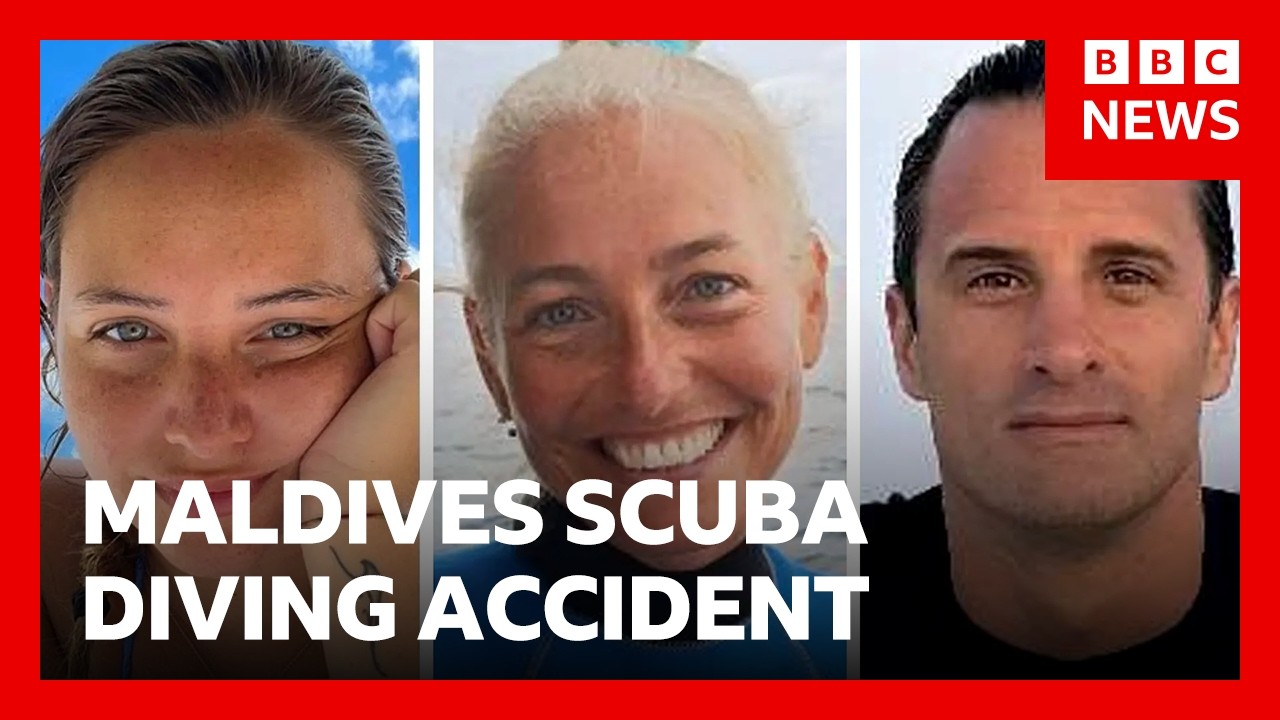
Tragedy in the Maldives: The Fatal Scuba Diving Accident Involving Italian Divers
Last week, a tragic accident in the Maldives has raised serious concerns about safety regulations regarding scuba diving in this popular tourist destination. The nation’s foreign ministry has confirmed the discovery of the bodies of four Italian divers, who had gone missing during a diving expedition in the turquoise waters of this archipelago. These unfortunate events have led to heightened scrutiny of the safety measures that are in place for divers in one of the world’s premier underwater locales.
The incident began last Thursday, when a group of five Italian divers set out from a safari vessel, joining a larger group eager to explore the underwater wonders of the Maldives. With its stunning coral reefs and rich marine biodiversity, this archipelago serves as an attraction for divers from around the globe. However, the allure of these underwater caves, which reach depths of approximately 60 meters, quickly turned into a nightmare.
After an hour and 45 minutes, crew members on the surface began to grow concerned when the divers failed to resurface. This prompted them to alert Maldivian security forces, launching a search effort that would soon uncover the grim reality of the situation. Initial searches confirmed the location of one diver’s body near the entrance of the cave, but the tragedies did not end there.
In a heartbreaking follow-up, a spokesperson for the Maldivian government announced the discovery of the remaining four bodies, located deep within the cave’s third chamber. This finding not only underscores the serious risks associated with deep-sea diving but also raises questions about the conditions that led to this fatal expedition.
Theories surrounding what transpired during the dive are emerging, though definitive explanations have yet to be established. Authorities are investigating several possibilities. A primary concern is that the divers may have run out of air while exploring deeper parts of the cave. This speculation is compounded by the fact that they were not equipped with backup air cylinders, which are vital for safety in such precarious conditions.
Further complicating the situation is the significant depth at which the bodies were found. Reports indicate these depths may exceed 100 meters. This could imply that the divers were under severe pressure and potentially disoriented, a condition that poses dramatic risks in underwater exploration.
The composition of their oxygen supply is also under review. Divers at such depths must use gas mixtures meticulously tailored to counteract the effects of pressure; otherwise, they risk facing complications due to nitrogen narcosis or oxygen toxicity. Investigators are considering whether the supply provided to these divers was adequate for the depths they ventured into.
Moreover, the Maldivian government has indicated that diving beyond 30 meters for recreational purposes is illegal. The divers’ choice to descend deeper raises critical questions about their planning and whether they had sought the necessary permissions. It remains unclear how they managed to enter the cave without notifying local authorities or adhering to established guidelines.
As investigations continue, the spotlight is set on the serious implications this tragedy holds for diving regulations within the Maldives. With numerous tourists flocking to this aquatic paradise, a reevaluation of safety measures seems both necessary and urgent.
This incident serves as a cautionary tale within the realm of scuba diving, underscoring the importance of adhering to safety protocols and respecting the ocean’s capabilities. While the allure of underwater exploration is undeniable, this tragedy reminds us that nature, while beautiful, must always be approached with the utmost respect and caution. As authorities delve deeper into the circumstances surrounding this tragedy, the global diving community watches closely, aware that safety must always remain paramount.