Surviving the Unthinkable: A Footballer’s Journey Through Trauma and Recovery
In a world where life can change in an instant, few experiences demonstrate this reality more starkly than the harrowing ordeal faced by an aspiring footballer. Stabbed seven times on a train, he reflects on a traumatic event that nearly cost him everything, from his life to his budding career in sports.
The incident occurred unexpectedly while he was simply traveling on a train. Relaxing and enjoying the moment, he was jolted into a nightmare when an assailant approached from behind. The first knife strike pierced his shoulder, a decision point that would define his fate. "I remember jumping over the table and chairs, urgently warning passengers to run," he recounted. Adrenaline rushed through him as he made his way down the train, pulling the alarm while blood soaked his clothing.
"I was the first person that got stabbed," he recalled. In a span of seconds, he became not just a victim, but also a source of urgency for others on the train. “There were screams, fear palpable in the air. But my focus was solely on escaping.”
Stabbed seven times, he described the weapon as a large kitchen knife—far from a small blade. "If I hadn’t moved quickly, I wouldn’t be here,” he acknowledged. His quick reflexes, it seemed, were the only buffer between him and potential death. In stark moments of clarity amidst chaos, he also reflected on the dangerous proximity of the knife to his nerve endings. “Had it gone any deeper, I could have lost the ability to be a father,” he voiced, a thought that served as a driving force during his recovery.
The aftermath was a blur of sirens and medical urgency. As he recounts the chaos that day, the memory is stark, layered with fear and disbelief. But it is also interlaced with gratitude—gratitude for survival, yes; but also for his career, which hung in the balance. Following extensive surgery, the prognosis revealed that his injuries primarily affected muscle, narrowly sparing the nerves. “You’re a very lucky man,” the doctors told him, an affirmation of both fate and resilience.
Months passed, and although he healed physically, emotional scars lingered. The experience left him grappling with fears that stretched beyond the physical realm. He found himself questioning the stability of his football career, anxious about the chance to reclaim not just his physical state but also the path he had been on. “I missed half a season,” he sighed, disappointment weighing heavily in his tone. “I just wanted a chance to prove myself again.”
As he reflects on his time with the club, sentiments of camaraderie emerge. “The fans and my teammates showed incredible support,” he said. A GoFundMe campaign initiated by fans served as testament to their solidarity, providing necessary resources during his recovery. Yet as he prepared to transition from the club, a bittersweet sentiment enveloped him—one of sorrow at lost opportunities intertwined with gratitude for those he had forged connections with.
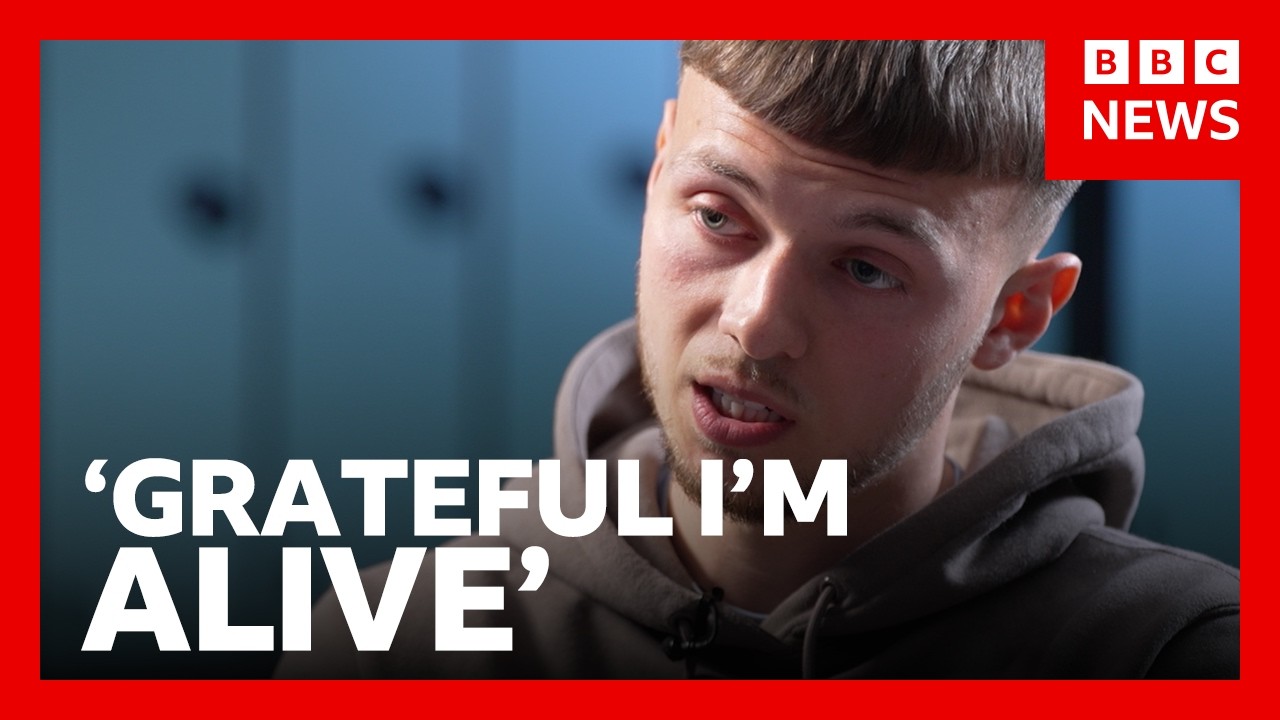
Despite the horror he encountered, he embodies a spirit of resilience. “I’m thankful to be alive,” he said, yet the scars of trauma are not easily shed. An important takeaway emerged: the lingering effects of such a violent encounter can manifest in various ways. He admitted to lingering apprehensions about traveling by train again, stating, “I just can’t trust something that has changed my life so drastically.”
As the new season approaches, his future remains uncertain, but he holds on to hope. “I’m looking for a new club, a fresh start,” he asserted. In a landscape where uncertainty reigns, one sentiment shines clear: the journey ahead may challenge him, but he remains steadfast and resolute—determined to rebuild his life, one day at a time. Every moment of struggle, every celebration of survival, contributes to a narrative that goes beyond mere existence; it is a testament to the human spirit’s capacity for renewal and courage amid adversity.