The Enduring Bond Between the United Kingdom and the United States: Reflections from King Charles III
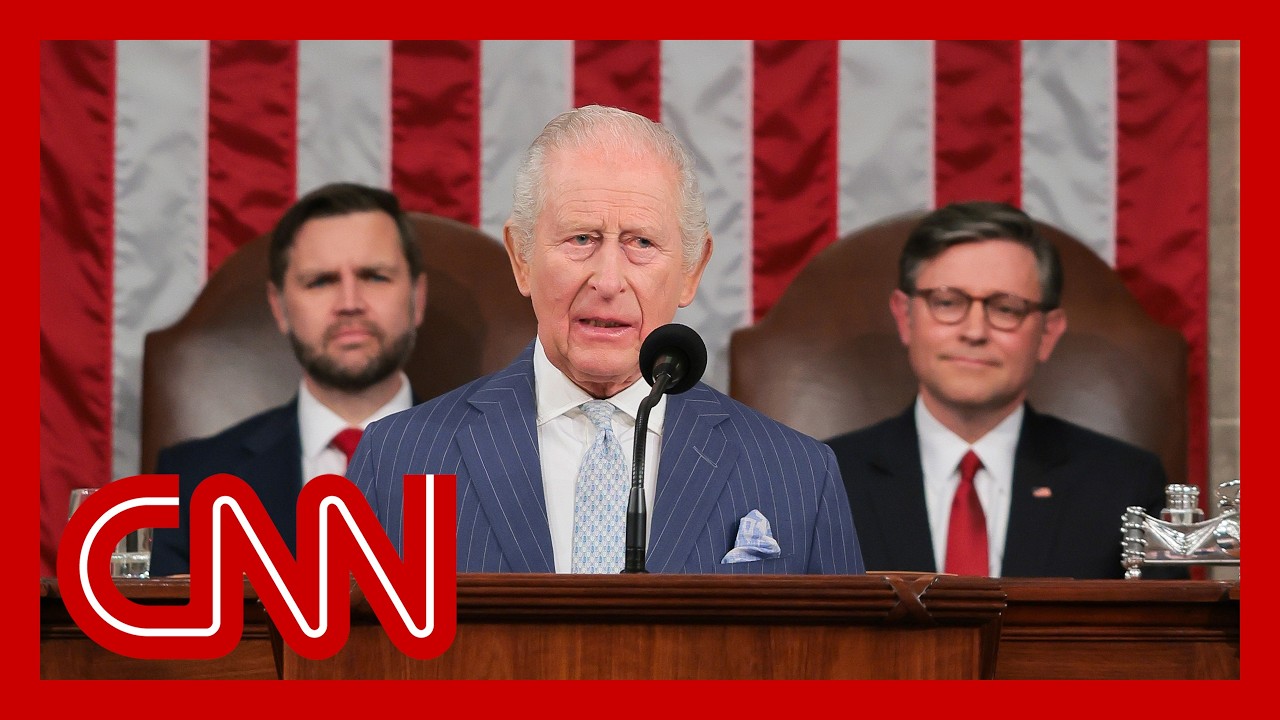
In a historic address before the U.S. Congress, King Charles III marked the 250th anniversary of American independence, celebrating the intricate ties that bind the United Kingdom and the United States. His speech resonated with themes of shared history, democratic values, and mutual commitment to global stability, reminding both nations of the significance of their alliance.
King Charles opened his address with gratitude, acknowledging the welcoming gestures of the American people. He highlighted the unique relationship that stretches back over four centuries, noting, “Our destinies as nations have been interlined.” This phrase encapsulates the intertwined fates of both countries, rooted in shared struggles and triumphs.
The monarch touched upon the challenges facing the international community today, including ongoing conflicts in Europe and the Middle East. In light of recent acts of violence aimed at disrupting democracy, he emphasized that such efforts would not succeed. The king articulated a collective resolve for democratic ideals, stating, “Whatever our differences, we stand united in our commitment to uphold democracy.” This assertion serves as a reminder of the shared values underpinning both nations’ governance.
Reflecting on historical precedents, King Charles referenced the founding principles of American democracy, notably the concept of “no taxation without representation.” This foundational disagreement laid the groundwork for a democratic evolution that resonates strongly within both countries today. He acknowledged that while their beginnings were marred by conflict, the relationship has flourished into a partnership rich with mutual respect and understanding.
The address also paid homage to past leaders, particularly his mother, Queen Elizabeth II, who had spoken in the same chamber over three decades prior. “Standing here today,” he reflected, “it is hard not to feel the weight of history on my shoulders.” His words evoke the long-standing traditions that have shaped the dialogue between the two nations, further establishing the historical significance of his visit.
As the king continued, he highlighted contemporary issues that require collaboration. He remarked on the necessity of a renewed approach to security in the face of evolving global threats and reiterated the United Kingdom’s commitment to enhancing its defense capabilities, calling it the “biggest sustained increase in defense spending since the Cold War.” This revitalized focus underscores the importance of a joint effort to maintain stability across the Atlantic.
Furthermore, he addressed the shared responsibilities both nations hold towards environmental stewardship. With climate change posing an existential threat, King Charles urged concerted efforts to protect “nature’s own economy,” recognizing its essential role in safeguarding prosperity and security. His passion for environmental issues aligns with a broader understanding of the need for cooperative measures to ensure a sustainable future.
The king also stressed the depth of economic ties between the U.S. and the U.K., highlighting the $430 billion in annual trade that fuels innovation and mutual growth. He called for ongoing collaboration, particularly in technology sectors like nuclear fusion and artificial intelligence, which promise to transform societies for the better. The intertwined destinies of these two nations hinge not only on historical ties but also on shared aspirations for the future.
In concluding his address, King Charles III articulated a vision of continued partnership and mutual support. He invoked the spirit of President Lincoln, who famously noted that actions define a nation’s legacy. The king urged both nations to commit to a future shaped by “selfless service to our peoples,” and a dedication to defending shared values not just for their own benefit, but for the broader global community.
The address underscores an enduring alliance, one that transcends mere historical context and evolves with the challenges of the present. The bond forged through centuries of relationship is as vital today as ever, representing a partnership committed to peace, prosperity, and shared democratic ideals. As King Charles III celebrated the 250th birthday of the United States, he beckoned both nations to rededicate themselves, fostering a legacy of collaboration that will guide future generations.