Day 78 of the US-Israel War with Iran: Key Developments and Regional Impacts
On day 78 of the ongoing conflict between the US-Israel coalition and Iran, the situation remains precarious with rising casualties and geopolitical tensions. The nominal ceasefire in Lebanon has been extended for an additional 45 days, offering a glimmer of hope amidst a backdrop of continued violence.
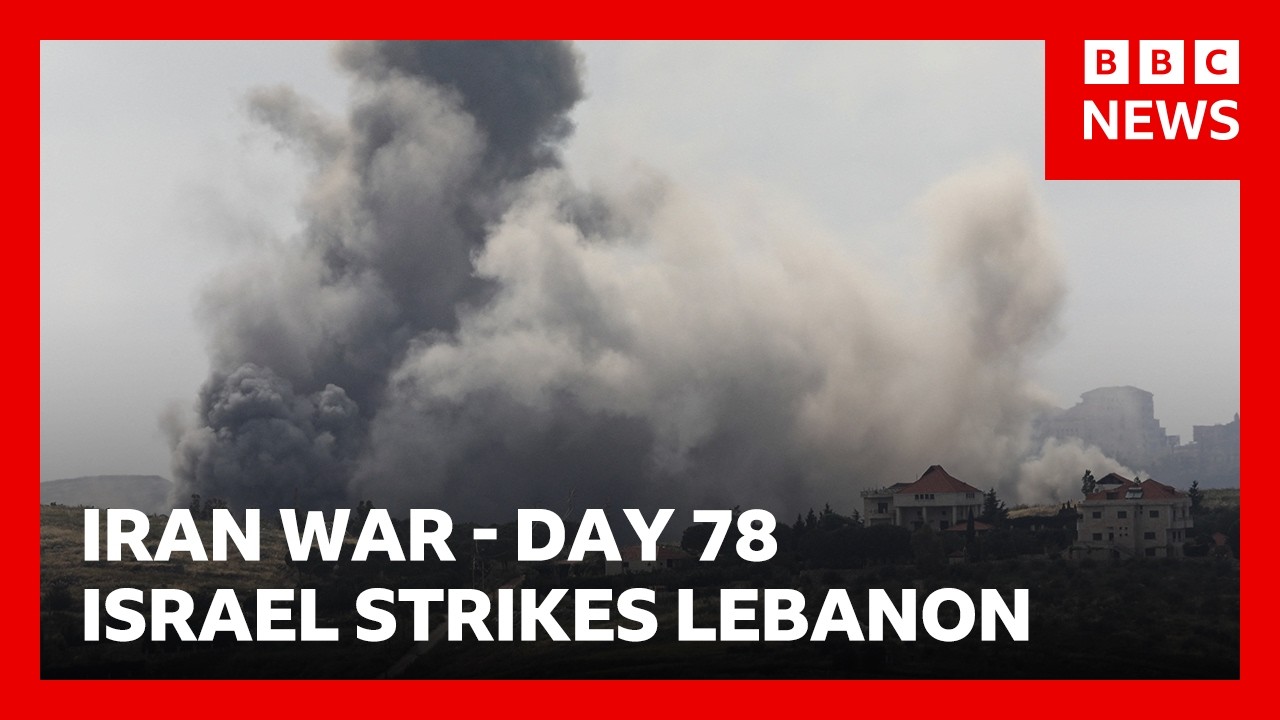
During a recent meeting in Washington, Israeli and Lebanese representatives agreed to this extension. However, hostilities persist, as illustrated by recent Israeli airstrikes in southern Lebanon, which reportedly claimed the lives of six individuals, including three paramedics. According to Lebanon’s Health Ministry, this escalation raises serious concerns over the effectiveness of any ceasefire when military actions continue unabated.
Lebanese citizens have expressed their skepticism toward the ceasefire extension. "This is not a ceasefire; it’s a conspiracy," stated one resident, highlighting the gap between governmental proclamations and the lived realities on the ground. The emotional toll is palpable; families have been displaced, and hope for normalcy seems like a far-fetched dream. The local population longs for a tangible cessation of hostilities, particularly in the southern regions that bore the brunt of the latest violence.
Reporting on the ground suggests that the Israeli military is intensifying its operations. They claim to be targeting Hezbollah positions, and as ground fighting persists, it becomes evident that mere talks of peace may not translate into meaningful change. The situation complicates any discussions regarding long-term disarmament of Hezbollah or the withdrawal of Israeli troops from southern Lebanon—issues that will be critical in future negotiations.
The context of the Iraq situation also paints a grim picture. Reports indicate a drastic drop in Iraqi oil exports through the Strait of Hormuz, falling from a robust 93 million barrels to a mere 10 million in April. This decline rings alarm bells for regional economies reliant on oil exports, emphasizing how the war is reshaping alliances and economic flows across the Middle East.
As oil-producing countries grapple with the impacts of ongoing conflict, shifts in alliances are observable, particularly noteworthy is the UAE’s recent withdrawal from the OPEC oil cartel. Although the UAE claims its departure is related to economic flexibility, many speculate it reflects a broader geopolitical shift away from traditional partnerships and towards closer ties with the US and Israel.
In this nexus of conflict, the fear of escalation intensifies. The UAE’s foreign ministry has distanced itself from recent allegations of direct strikes on Iran, framing their military activities as defensive in nature. This raises questions about the boundaries of self-defense versus escalation, not just for the UAE but for all nations involved.
Furthermore, Pakistan is seeking to mediate between Iran and the US, a role that carries substantial weight given the complex web of interests and alliances at play. The new alignment of interests underscores the urgency of a resolution, particularly around the Strait of Hormuz, which is crucial for global oil supply chains.
Iran’s leadership remains adamant that discussions must include guarantees against aggression and the lifting of sanctions. Stakes are high, and the geographical realities of the Iranian conflict are both a local and a global concern. As various factions engage in military actions, the interconnectedness of these conflicts illustrates how localized tensions can quickly spiral into broader regional wars.
Looking to the future, the prospects for meaningful negotiations appear entwined with the fate of the Strait of Hormuz. Iran’s need to stabilize its position alongside broader US interests in maintaining regional oil flows creates a complex environment. The inherent contradictions in diplomatic efforts, intertwined with military actions, paint a picture of a conflict that is both multifaceted and deeply entrenched.
As the conflict continues to unfold, observers remain vigilant. The coming days will reveal whether these fragile conversations can materialize into something substantial or if the cycle of violence and instability will persist. In an increasingly polarized region, the question remains: can diplomacy claim a foothold amidst the tumultuous dynamics of war?