Emerging Threat: Ebola Outbreak in the Democratic Republic of Congo
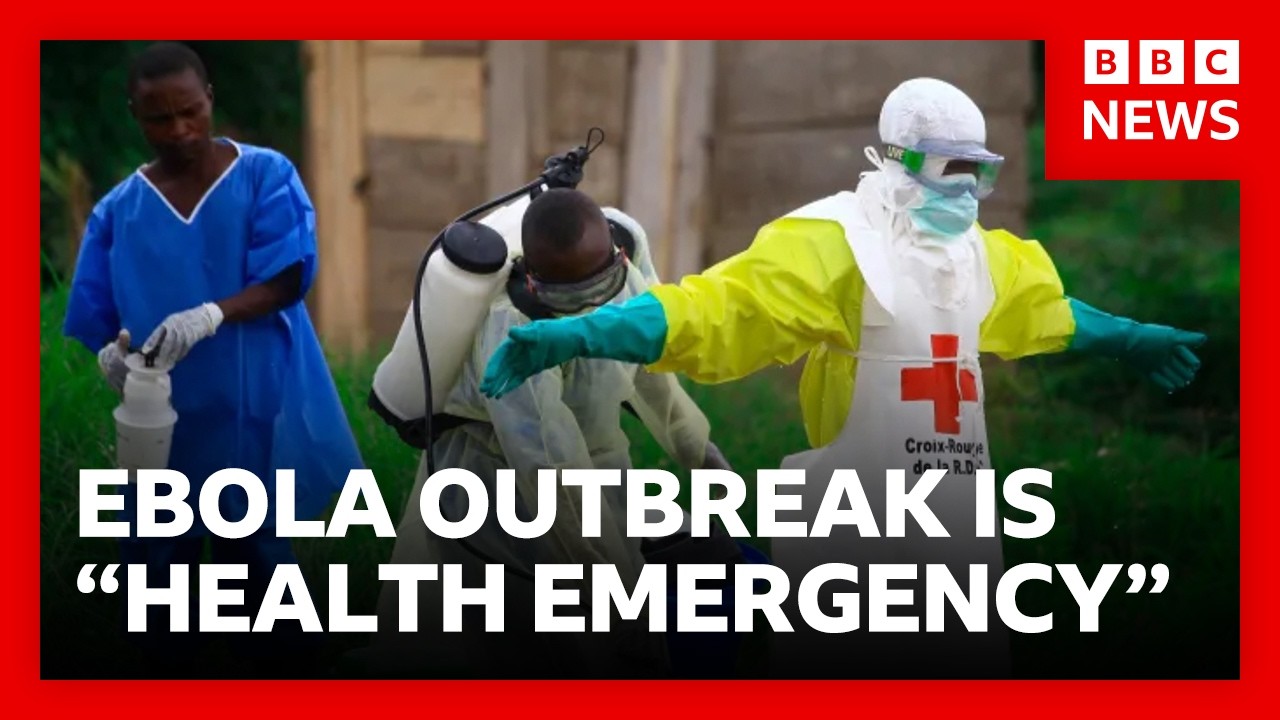
The World Health Organization (WHO) has declared a public health emergency of international concern due to a resurgence of Ebola in the Democratic Republic of Congo (DRC). This outbreak has already claimed the lives of at least 80 individuals in Ituri province, signaling a deepening crisis. The situation has escalated further with the confirmation of a first case in Goma, the largest city in the eastern region, located near the Rwandan border. Adding to the alarm, Uganda recently reported a case linked to the outbreak, culminating in the death of a man in Kampala.
The local populous in impacted regions, particularly Bunia, is all too familiar with the harrowing implications of an Ebola outbreak. With its history of devastating Ebola incidents—including the deadliest outbreak recorded between 2018 and 2020 that resulted in approximately 2,500 fatalities—this community feels the urgency acutely. Local hospitals, however, are ill-equipped to manage a new wave of infections, further complicating containment efforts.
The recent case in Goma poses an especially critical threat because of the city’s larger population density. Residents express growing fear as their children attend school and interact with numerous individuals, increasing the risk of inadvertent transmission to families. The devastating hold of Ebola, which spreads through direct contact with bodily fluids and often results in severe internal bleeding and organ failure, looms over these communities.
The origins of this outbreak can be traced to a single individual who fell ill in late April. After this person succumbed to the virus, their body was returned to a densely populated mining area, escalating the spread of the disease. Compounding these difficulties, this emergence involves a strain of Ebola for which no vaccine has been developed—this particular strain, known as Bundibugyo, has not been recorded for over a decade. Infamously deadly, it has previously resulted in around one-third of those infected succumbing to the illness.
As WHO has underscored, the DRC is now facing a health emergency of international concern, driven by several challenges. The difficulty in diagnosing this rare strain has hindered timely responses; in fact, initial tests conducted on patients returned negative results because they only focused on more commonly known types of Ebola.
Health correspondent James Gallagher emphasizes the alarming context within which this outbreak is occurring. Approximately a quarter of a million people have been displaced due to ongoing conflicts, further complicating the provision of medical care and containment measures. These mining towns, often situated in hard-to-reach areas, pose logistical challenges that impede effective public health interventions.
Experts express profound concern, invoking memories of the catastrophic Ebola outbreak that erupted in West Africa in 2014, affecting more than 28,000 individuals. While the global risk remains minimal, with a few cases reported among healthcare workers in countries such as the UK, the palpable fear and uncertainty among local populations cannot be underestimated. The disparities in healthcare resources in the DRC underscore a critical barrier in handling the current epidemic.
Faced with this new variant, the immediate priority must be to mobilize efforts to test and deploy vaccines. While the DRC has experienced multiple outbreaks of Ebola in the past, the evolving pathogens and compounded societal challenges present an unprecedented test of resilience and capability. In this pivotal period, the efforts of health organizations and local authorities will be crucial in determining whether this latest outbreak can be contained swiftly or whether it will spiral further out of control.
The stakes are undeniably high. As scientists race against time to develop effective vaccines and treatment strategies, the hope remains that with robust international cooperation and timely interventions, this public health crisis can be addressed before it intensifies. The world watches, as the residents of DRC grapple with the weight of their history and face a daunting path forward.