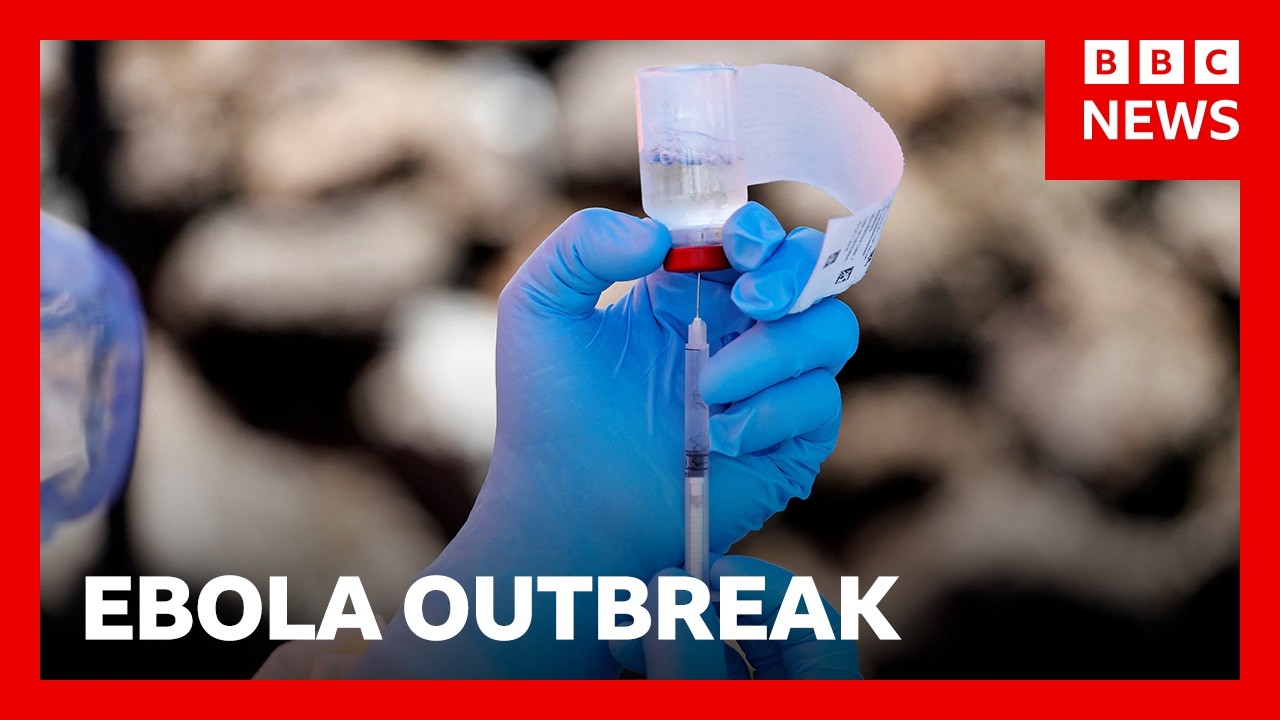
Ebola Outbreak in the Democratic Republic of the Congo: A Growing Concern
In a stark reminder of the vulnerabilities within global public health, the World Health Organization (WHO) has declared an Ebola outbreak in the Democratic Republic of the Congo (DRC) a public health emergency of international concern. This grim announcement comes as the death toll nears 90, with the current strain of the virus exhibiting alarmingly high mortality rates. Coupled with the absence of any vaccine or specific treatment, the situation is rapidly evolving into a potential crisis.
Dr. Samuel Roger Kamba, the country’s health minister, has remarked on the troubling choices made by some individuals during this outbreak. Many have opted to seek help from places of worship rather than professional medical facilities, a decision that may have contributed to the rising fatalities. Historical context reveals a chilling statistic: nearly 2,300 Ebola-related deaths occurred in the DRC between 2018 and 2020. However, the WHO has specified that the current outbreak does not fit the criteria for a pandemic.
The eastern DRC province of Ituri, where the outbreak is most concentrated, shares informal borders with South Sudan and Uganda. This geographical reality complicates containment efforts, particularly since the region is not only resource-rich but bustling with mining activities and cross-border trade. Informal crossings between nations are not uncommon, particularly in remote areas where infrastructure may be lacking. This raises legitimate concerns about further virus spread, especially in light of reported cases in Kampala, Uganda.
One recent case involved an individual who contracted the virus in DRC before traveling to Kampala, where he subsequently died in a hospital. While his body was transported back to DRC, the risk of transmission remains high. Even post-mortem, an Ebola victim can potentially infect those who come into contact with the remains. This adds a level of virulence that requires immediate and rigorous health responses from both the DRC and neighboring countries.
Speaking on the situation, BBC Africa correspondent Thomas Mukhwana highlighted the interconnected nature of East Africa, where cross-border travel is commonplace. This network complicates the implementation of effective health measures. Mukhwana expressed concern about recent budget cuts affecting health systems in the region, particularly in light of decreased funding from the United States. Nevertheless, WHO has dispatched skilled health experts to the affected areas, backed by emergency funding of approximately $500,000. However, the effectiveness of border screening measures remains uncertain. Given the urgency of curtailing the outbreak, measures such as temperature checks should be standard; the ongoing health crisis adds an additional layer of complexity to these efforts.
Professor Raina MacIntyre, head of the biosecurity program at the University of New South Wales, explained that while the DRC experienced a significant Ebola outbreak in 2018 involving the Zaire strain, the current situation features a different strain with a 30% mortality rate. The absence of any existing drugs or vaccines for this strain further complicates the response. A shocking 46 suspected cases were quickly identified after the outbreak became public knowledge, highlighting the concerning limitations in diagnostic capabilities.
The situation has escalated to the extent that concern extends beyond national borders. Confirmed cases have emerged not only in Uganda but also in Kinshasa, signifying the potential for spread throughout neighboring countries and internationally.
While it is hoped that the scale of this outbreak remains manageable, the lessons of past Ebola outbreaks linger. The 2014 West African outbreak serves as a cautionary tale, as it resulted in approximately 28,000 cases worldwide, including travel-related transmissions.
In conclusion, as the DRC grapples with this dire outbreak, the need for proactive measures and enhanced international collaboration has never been more urgent. The resilience of public health systems will be tested, and vigilance will be key in limiting the scope of this outbreak. The global community must remain alert, educating and engaging with local populations to ensure a coordinated and effective response.