The Impending Ground Conflict with Iran: A Professional Analysis
As tensions escalate in the Middle East, the prospect of a U.S. ground invasion of Iran has become a topic of intense discussion. Malcolm Nance, a former U.S. naval intelligence officer and recognized national security expert, recently outlined his assessment that this military option is not just plausible but imminent. His insights draw on substantial experience in the region, revealing both the intricacies of military logistics and the broader implications of such a confrontation.
Nance observes that the recent ramp-up in troop movements from the U.S. to bases in Israel and Jordan is indicative of a much larger operation. Reports of significant flights carrying troops and equipment have raised alarm bells among analysts. These movements involve elite units, including the 82nd Airborne and specialized contingents from Naval Special Operations. According to Nance, these deployments suggest a strategy that transcends mere aerial campaigns and veers into substantive land operations.
Objectives and Tactical Considerations
When considering the objectives of a potential ground operation in Iran, multiple critical targets emerge. Nance points to three main facilities: the Isfahan Nuclear Research Center, the Natanz Nuclear Facility, and the Yazid ballistic missile complex. Each of these sites plays a crucial role in Iran’s military capabilities and could serve as focal points in a ground invasion.
The complexity of such an operation cannot be overstated. Mission planning would require everything from securing runways to creating supply lines for sustained operations. The logistics of moving troops and equipment into potentially hostile territory pose significant challenges. Nance details a scenario in which troops would have to establish air support while managing the logistics of ground supply routes. This would not only demand well-coordinated military tactics but also a deep understanding of the local geography and military landscape.
The Calculated Risk of Military Operations
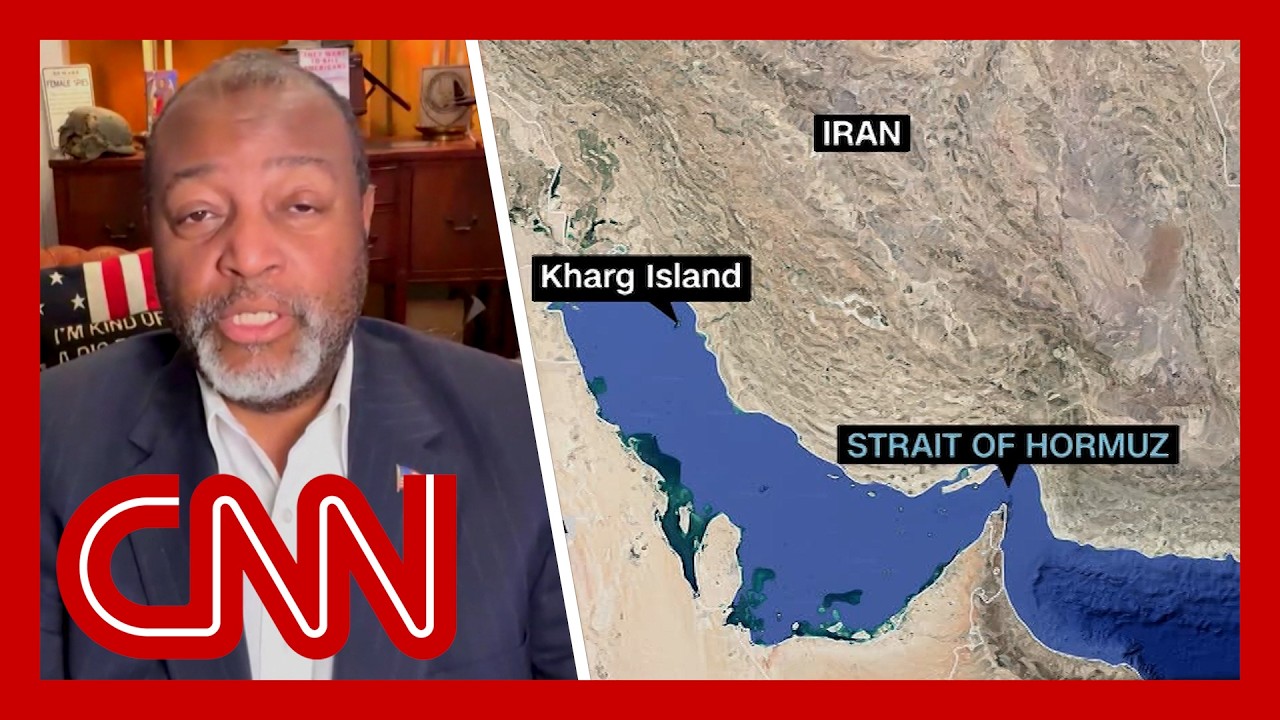
The stakes involved in this militaristic approach are high. Colonel Layden emphasizes the need for a cautious assessment of potential U.S. operations. He argues that the initial focus might be on securing vital waterways such as the Strait of Hormuz, rather than attempting to engage in extensive inland operations. The control of strategic islands like Kharg is crucial, as these locations play a pivotal role in Iranian oil exports. This strategy is grounded in the understanding that maintaining freedom of navigation in critical shipping lanes is essential to national security and global economic stability.
On a larger scale, the question arises as to what these preparations may signal regarding U.S. intentions. Is the administration genuinely seeking a military solution, or is this buildup part of a broader diplomatic strategy? Nance suggests a dual approach: projecting military strength while leaving room for diplomatic discourse. This could serve to intimidate the Iranian regime while simultaneously fostering discord among its ranks.
The Humanitarian Dimension
Critically, the implications of military confrontation extend beyond geopolitical considerations. Military operations targeting infrastructure—such as desalination plants and electrical grids—have profound humanitarian consequences. As Nance cautions, such actions would primarily impact the Iranian populace, not the regime leaders who are largely insulated from civilian vulnerabilities. This perception raises ethical questions about the nature of U.S. strategies, suggesting that careful consideration is necessary to avoid exacerbating humanitarian crises.
Conclusion: A Delicate Balance
The current military buildup in the region represents a complex interplay of deterrence and potential aggression. The possibility of ground forces being utilized against Iran invokes serious questions concerning military strategy, humanitarian responsibilities, and the efficacy of diplomatic efforts. As experts like Nance and Layden highlight, the future remains uncertain, framed by a delicate balance between demonstrating strength and pursuing meaningful dialogue. In navigating this complex landscape, policymakers must weigh the risks of escalation against the imperative for a sustainable resolution to conflict.