Investigation into Random Assaults in Mississauga and Changes to Ontario’s Education Funding
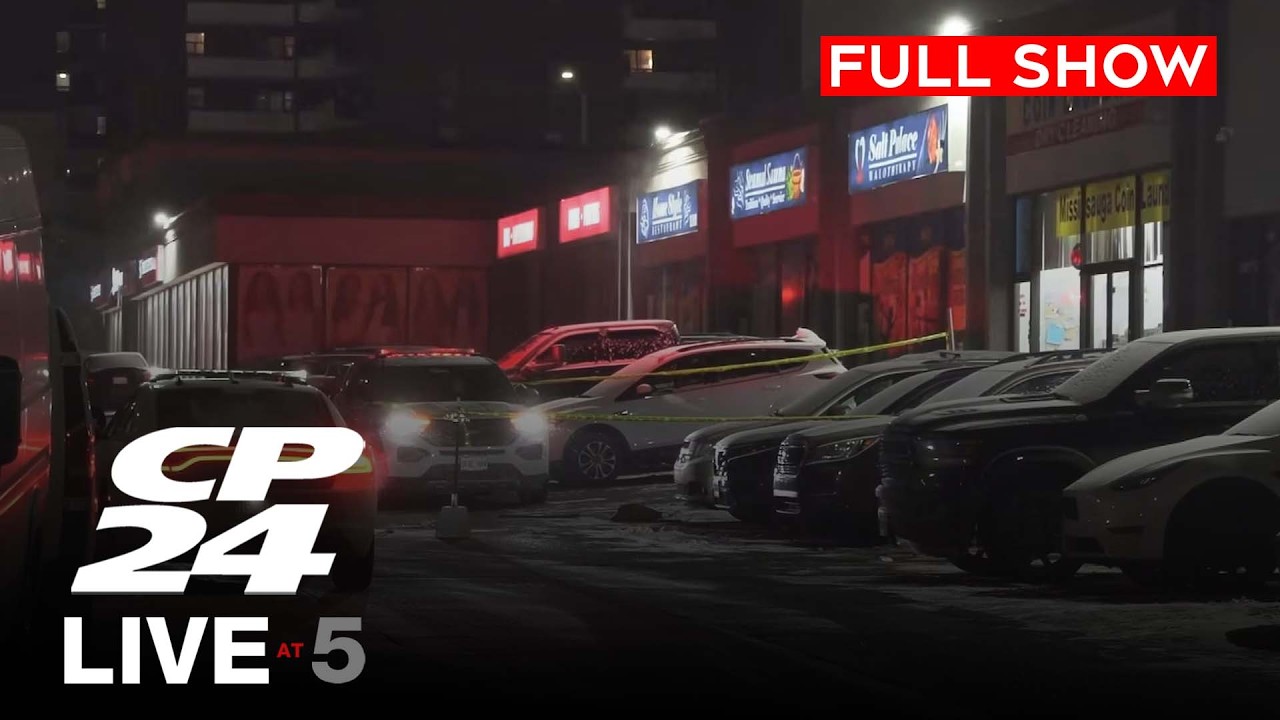
Peel Regional Police are currently investigating a tragic and brutal event that occurred in Mississauga on January 30th. Reports indicate that a 58-year-old suspect, randomly and unprovoked, assaulted three individuals within an industrial parking lot at the intersection of Dundas and Dixie. Tragically, the assault resulted in the death of one woman, while another man sustained serious injuries. The third victim, a man who also suffered an attack, fled the scene prior to police arrival, and authorities are appealing for information to locate him.
According to crime analyst Steve Ryan, the accused is facing charges of second-degree murder and aggravated assault. Police stress the importance of identifying the third victim, whose cooperation could yield crucial insights into the circumstances surrounding the event and may result in additional criminal charges against the suspect. Investigators are assessing whether any mental health crisis may have influenced the suspect’s actions, underscoring a broader societal concern regarding mental health issues linked to violent crimes.
In a separate yet equally concerning development, Ontario’s post-secondary education system is on the verge of significant changes. The provincial government has announced the lifting of a seven-year tuition freeze, a move expected to exacerbate the financial burdens of students across the province. While the government plans to inject $6.4 billion into colleges and universities over the next four years, it will also allow these institutions to increase tuition fees by up to 2% annually.
This shift comes at a time when many students are already grappling with the high costs of education. Critics, including members from the opposition, argue that while financial support from the province is welcomed, the educational landscape is becoming increasingly unaffordable. Students are now facing not only tuition hikes but also reductions in the amount available for non-repayable student assistance grants under the Ontario Student Assistance Program (OSAP). These changes, which will see the ratio of grants to loans flipped, are raising serious concerns among students already worried about debt accumulation.
As students from institutions like the University of Toronto express their anxieties about these updates, many are left questioning how they will manage their educational expenses. The president of the University of Toronto has advocated for the changes, arguing that the additional funds will allow schools to prioritize academic excellence. However, the prevailing sentiment among students is one of hesitation. Many fear that increasing debt levels will limit their future opportunities and hinder their ability to thrive post-graduation.
Outside of the discussions surrounding education, the commuter experience within the Greater Toronto Area has also come under scrutiny following a recent GO train derailment that caused extensive delays. Metrolinx officials have reassured travelers that steps are being taken to prevent similar incidents in the future, indicating that poor rail fastenings were to blame for the derailment that disrupted service for numerous passengers.
As the investigation into the Mississauga assault progresses, and as Ontario’s educational and transportation frameworks undergo considerable shifts, the ramifications of these events will likely resonate throughout the community for some time. The police’s efforts to identify additional victims shed light on the complexities of public safety in urban environments, while the educational reforms prompt critical discussions about the viability of post-secondary education in a rapidly changing economic landscape.
In answering the community’s concerns, both police and provincial officials must navigate the delicate balance between ensuring safety and promoting accessible education. The outcomes of these investigations and reforms will shape the course of public sentiment and policy-making in Ontario for years to come.