The Complex Landscape of U.S.-Iran Relations Under Trump
The geopolitical climate surrounding Iran has evolved significantly since President Trump made the controversial decision to engage in military action against the Islamic regime. At its core, this situation reflects a larger struggle within American politics, particularly among Trump’s fervent supporters, as they grapple with the implications of his foreign policy initiatives.
Despite earlier promises of a restrained approach, Trump’s engagement with Iran risks legitimizing its leadership and emboldening its aggressive tactics. Many argue that the ceasefire, now 39 days in, has offered Iran an unexpected level of validation and strength. Supporters within Trump’s base express concern that the current diplomatic posture deviates from their original desire for non-interventionism, complicating their allegiance to his administration.
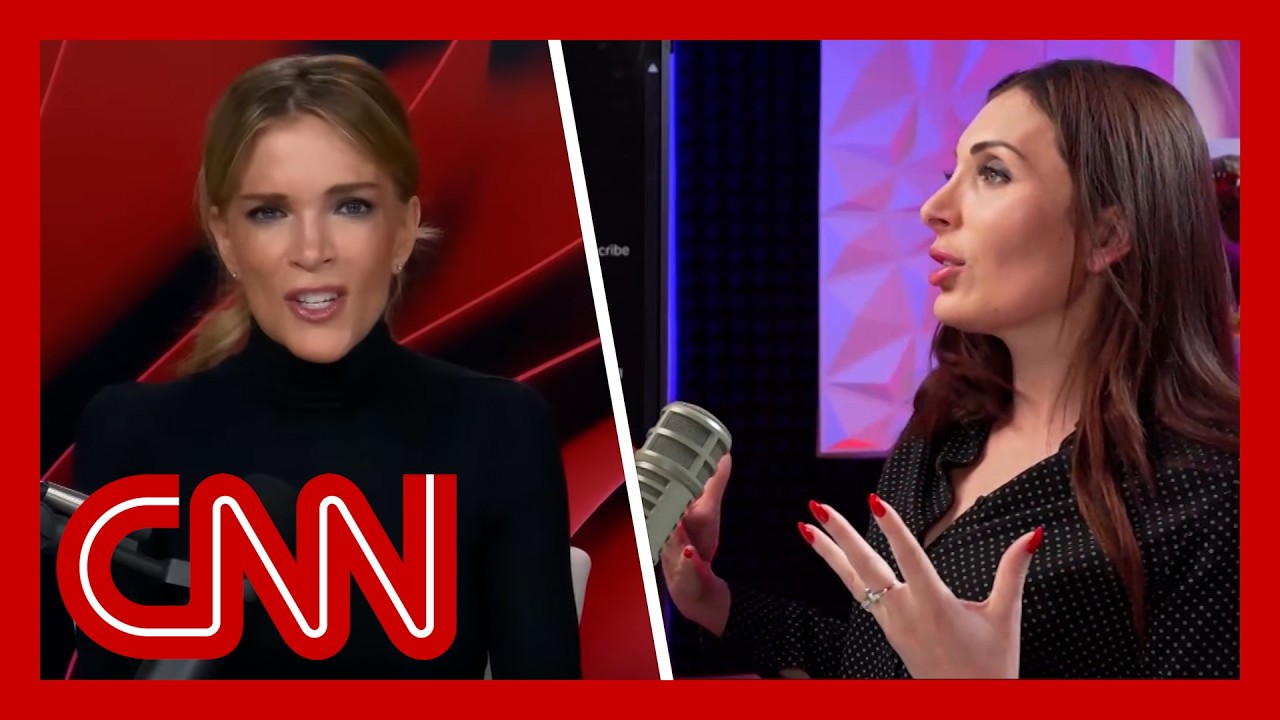
Simultaneously, critics, including notable conservative figures, have echoed these sentiments. Megan Kelly recently voiced her disgust over Trump’s threatening rhetoric, particularly concerning the potential annihilation of an entire civilization. Such statements do not merely echo traditional political banter; they signify a distressing normalization of aggressive rhetoric that Americans, across the political spectrum, find troubling. Even diehard Trump supporters, while maintaining their allegiance, have questioned the soundness of his approaches, particularly regarding Iran.
As discussions unfold, it becomes evident that Trump’s popularity within his base remains intact, albeit with notable fissures emerging. Polls suggest that a portion of the MAGA electorate is disillusioned, particularly regarding the lack of tangible benefits from the military engagement established under Trump’s directives. This internal division could pose challenges as the midterm elections approach, amplifying concerns about voter apathy and discontent among crucial segments of the Republican base.
The contradiction is palpable: while a significant portion of MAGA voters still endorse Trump’s policies, others are increasingly hesitant, raising questions about his overall strategy. There’s a notable shift in sentiment, where segments of the base convey frustration over a lack of clear objectives, revealing an inherent tension that the White House must navigate carefully.
The upcoming elections will test the loyalty and motivation of Trump’s supporters. Will the disenchanted factions stay home, or will they rally behind a unified cause? Political analysts are concerned that if 20-25% of Trump loyalists begin to retract their support, it could significantly impact the Republican strategy as they head into crucial contests in 2026.
Notably, figures like J.D. Vance are attempting to position themselves as responsible actors within this contentious space. As both a contender for future leadership and a figure trying to appease Trump’s base, Vance understands the underlying dynamics that influence voter sentiment. Observers note that a fine balance exists between maintaining the support of Trump’s fervent adherents and appealing to broader, more moderate audiences disenchanted with inflammatory rhetoric.
Conversations around these political dynamics also reveal a troubling undercurrent: the intersection of extremism and mainstream political discourse. The growing influence of antisemitism among vocal factions is a cause for concern, urging both parties to address these narratives head-on. The challenge lies not only in managing the fallout of divisive comments but also in ensuring that the fundamental tenets of American democracy are not compromised in the process.
In conclusion, the situation with Iran is emblematic of broader political struggles that Trump faces within his party and the electorate at large. Navigating this quagmire requires a careful balance of rhetoric and action, steering clear of further legitimizing adversaries while fostering a consistent and coherent policy approach. The implications of these choices are far-reaching, not just for the future of U.S.-Iran relations but also for the Republican Party as it ventures into the uncertain territory of upcoming elections. The pathway ahead invokes both trepidation and a call for strategic reassessment.