Rwanda Tightens Border Controls Amid Ebola Outbreak: A Regional Response
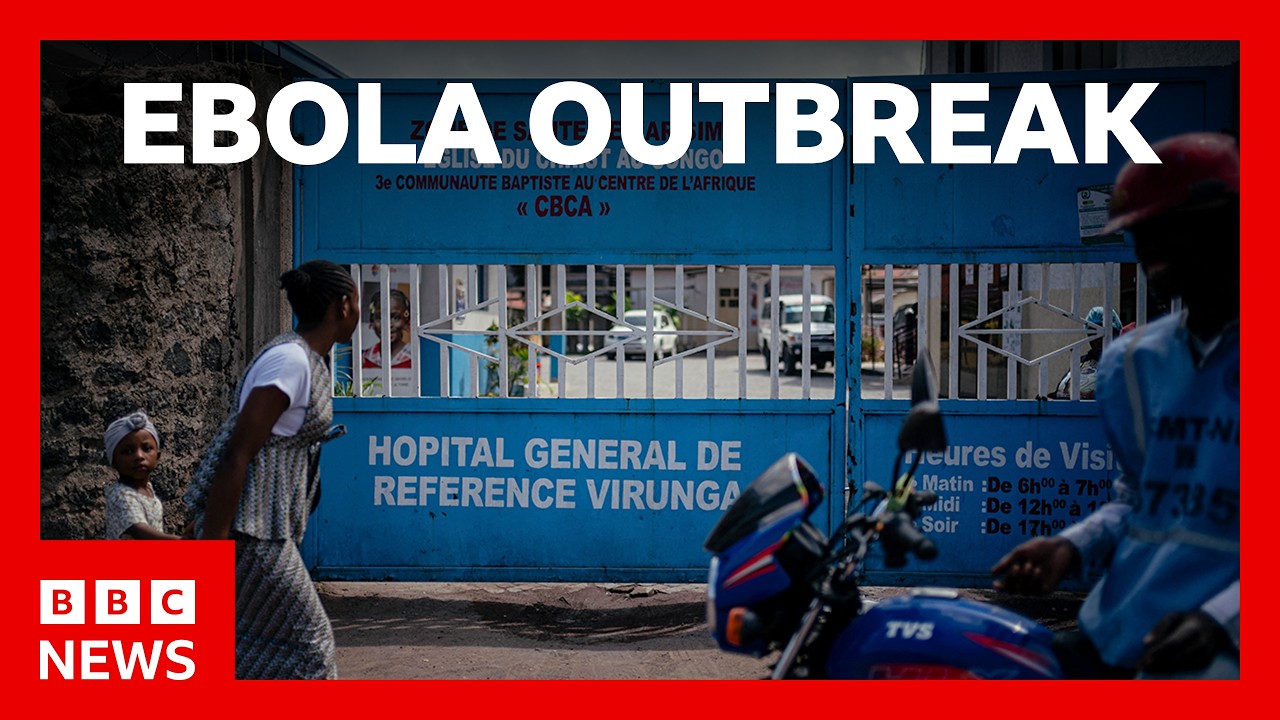
In a significant move to combat the spread of the Ebola virus, Rwanda has tightened its border screening protocols with the Democratic Republic of Congo (DRC). This comes on the heels of a deadly outbreak that has claimed the lives of at least 80 individuals, primarily concentrated in three northern regions of the DRC. Compounding this dire situation, a new confirmed case in the city of Goma—adjacent to the Rwandan border—has heightened concerns among public health officials and citizens alike.
The World Health Organization (WHO) has declared this outbreak a public health emergency of international concern, underscoring the need for immediate and coordinated action. As we delve into the ongoing crisis, it becomes clear that the situation is not merely a health emergency, but also a complex geopolitical issue.
Thomas Mogwanja, reporting from Nairobi, emphasized the precarious nature of the unfolding events. The Congolese government’s current statistics reveal 246 suspected cases of Ebola, with approximately 90 fatalities thus far. However, the lack of up-to-date information raises alarming questions about transparency and response efficacy. This issue is compounded by the rising violence in the region; Goma itself is not fully under the control of the Congolese government due to the presence of rebel factions, notably the M23. Without effective governance in affected areas, the challenges faced by humanitarian organizations escalate significantly.
The humanitarian landscape in eastern DRC is marred by instability, where various separatist and jihadist movements thrive, hindering the delivery of medical assistance. The Allied Democratic Forces (ADF), another militant group operating in the Ituri province—the epicenter of this outbreak—worsens the situation. This chaotic environment complicates efforts to curb the virus’s spread, making it crucial for health organizations to find ways to mobilize resources under adverse conditions.
In response to the crisis, the WHO mobilized over $500,000 in emergency funding aimed at containing the outbreak. Organizations like Doctors Without Borders are deploying experts to the region, signaling a united front from international NGOs. Yet, the geopolitical implications of the outbreak cannot be ignored. The DRC shares borders with nine nations, including Uganda and South Sudan, which makes regional cooperation vital in controlling the virus’s spread.
Countries in close proximity to the DRC are taking proactive measures. Uganda has heightened surveillance and border checks, particularly after its own reported cases linked to travelers from the DRC. Notably, Ugandan President Yoweri Museveni announced the postponement of an annual pilgrimage, traditionally attended by many Congolese citizens, to minimize cross-border travel during this critical time.
Kenya is also on high alert, increasing its surveillance efforts at ports and border entries. Similarly, both South Sudan and Tanzania are ramping up border controls to keep potential Ebola cases at bay. Rwanda, too, has implemented stricter measures at its borders, conducting temperature checks and reportedly restricting movement to mitigate risks.
These collective efforts represent a regional response that underscores the seriousness of the situation. Public health experts agree that rapid containment is crucial. The 2014-2016 Ebola outbreak in West Africa serves as a grim reminder of what can happen if the virus is allowed to spread unchecked; that outbreak resulted in over 11,000 fatalities.
As the situation evolves, the international community will need to monitor it closely. Without a robust and coordinated response, the threat posed by Ebola could escalate into a widespread humanitarian catastrophe. Each bordering nation plays a critical role in forming the first line of defense, where timely interventions could save countless lives.
In conclusion, the Ebola outbreak in the DRC serves not only as a public health emergency but also as a poignant reminder of the interconnectedness of nations and the collaborative role they must play in crisis situations. As officials in Rwanda and surrounding countries step up their efforts, the world watches closely, hoping for a swift and effective resolution to this deadly outbreak.