Navigating the Strait of Hormuz: Strategic Challenges for NATO and U.S. Diplomacy
In recent days, President Trump has called upon NATO allies to assist in reopening the strategically vital Strait of Hormuz, a narrow shipping channel that serves as a crucial conduit for a significant portion of global oil. Trump’s assertion that it is "only appropriate that people who are the beneficiaries of the Strait will help" has raised eyebrows, especially in light of Germany’s Foreign Minister’s immediate dismissal of NATO’s potential involvement in this endeavor. This impasse highlights more than mere diplomatic friction; it reveals a deeper issue regarding the adequacy of U.S. military and diplomatic preparedness in addressing escalating tensions in the region.
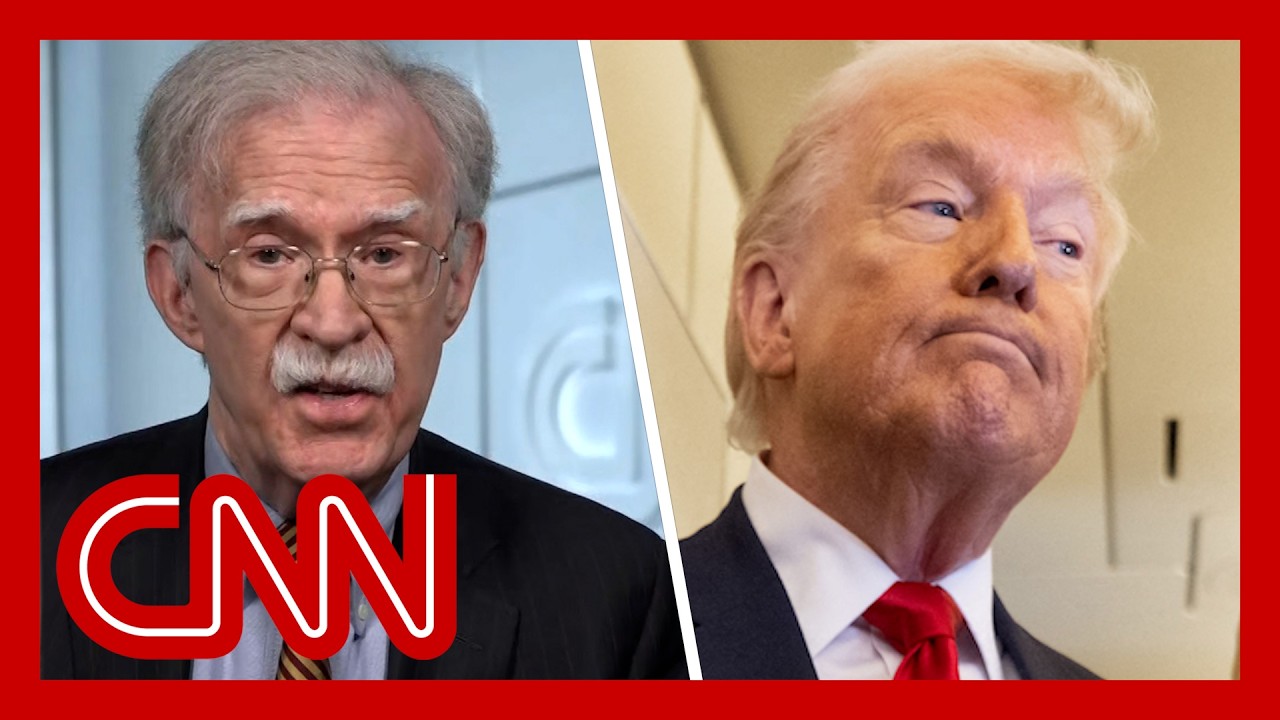
Former National Security Adviser John Bolton, a key player during Trump’s initial term, outlined several critical oversights leading to the current situation. He emphasized the absence of what he termed a "political groundwork" necessary for mobilizing NATO before military action was initiated. This lack of preparation extends beyond allies; it affects the American public and Congress, both of whom deserve clarity and transparency regarding international military operations.
Bolton’s advocacy for regime change in Iran underpins his perspective. He believes that both NATO’s involvement and a more robust military strategy were essential considerations long before the situation escalated to this point. The closure of the Strait of Hormuz has long been a topic at the forefront of discussions about Iran’s military capabilities, yet it seems this critical element was inadequately factored into the decision-making process.
Critically, Bolton noted that Trump’s request for assistance comes too late. Standard protocol during military engagement dictates assembling a coalition prior to conflict rather than calling for help amidst an already ongoing operation. Bolton underscored that alliances are not solely about operational logistics but are also vital for forming a united front against shared threats.
The administration’s current military posture includes the potential deployment of a Marine Expeditionary Force to the region—around 2,500 Marines. While this may seem a formidable show of strength, Bolton questioned the strategic timing of such a maneuver. He insinuated that earlier action could have significantly changed the dynamics in the region, notably by dismantling Iran’s retaliatory capabilities at a crucial juncture.
As the situation unfolds, the implications of a militarily distracted Iran become increasingly important. Bolton contended that should the requisite regime change remain beyond reach, military actions might only aggravate the prevailing conditions. The risk of emboldening the Iranian government, particularly the Islamic Revolutionary Guard Corps, could engender further disruptions in both regional stability and global economic markets.
The stakes are high. Should the current military effort fail to achieve its stated objectives, the prospect of Iran returning to aggressive nuclear pursuits and supporting terrorism looms large. This cyclical pattern presents a formidable challenge for any administration, where each decision must be weighed against long-term international stability.
In light of these complexities, both Bolton and contemporary analysts urge a recalibration of U.S. foreign policy toward Iran, particularly emphasizing support for internal opposition movements rather than simply targeting the regime militarily. There are clear indications that the Iranian population harbors significant discontent toward its government. However, without sustained U.S. assistance to these factions, there’s a risk of squandering an opportunity for meaningful change.
Recent discussions among international journalists reflect a consensus that the coming days are pivotal. President Trump faces increased pressure to craft a cohesive strategy that encompasses both military readiness and diplomatic initiatives. Achieving stability in the Strait of Hormuz may well depend on the administration’s ability to foster effective collaborations not just with NATO but across broader alliances, including specific partnerships with countries in the European Union.
As the geopolitical landscape continues to evolve, it remains clear that the factors at play extend well beyond military engagements. Reopening the Strait of Hormuz demands not only military might but also skillful diplomacy, something that may yet define the success or failure of U.S. and allied operations in the region. The coming days will be critical, and the world watches closely to see if the lessons of history will guide the decisions made in this complex geopolitical crisis.