Understanding the Impacts of El Niño: A Global Weather Phenomenon
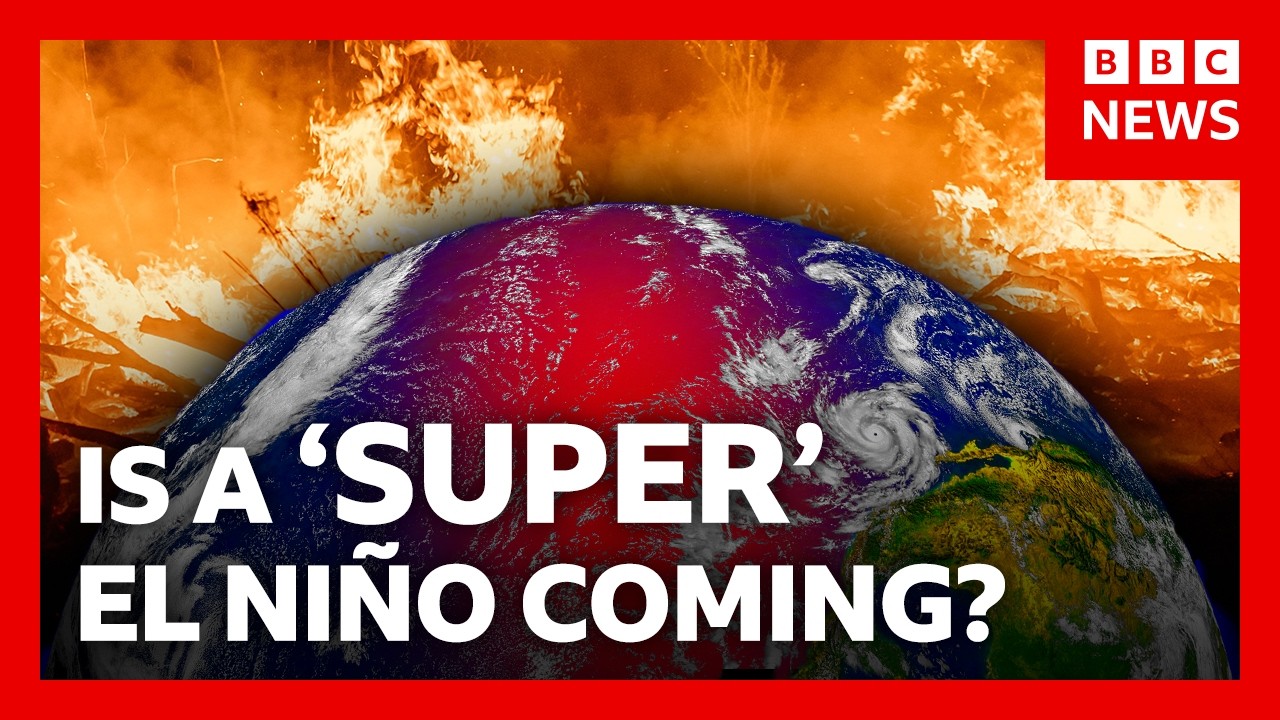
Across the Pacific Ocean, a significant event is unfolding that has the potential to reshape global weather patterns for the upcoming months. This phenomenon, known as El Niño, is a natural climate cycle characterized by the unusual warming of surface waters in the tropical Pacific Ocean. While its effects can vary widely depending on geographical location, the ramifications are profound, influencing everything from food supplies to weather extremities such as floods, droughts, and wildfires.
As a lead weather presenter and meteorologist, I want to shed light on how this complex interaction works and its potential implications for us. At its core, El Niño functions similarly to a radiator; when the tropical Pacific warms above normal levels, heat is distributed into the atmosphere, raising global temperatures. This cycles through phases, where the cooler counterpart, La Niña, can create diversely opposing weather conditions.
After emerging from a La Niña phase last winter, the Pacific’s rapid warming suggests that an El Niño event might already be underway, with the likelihood of it peaking in strength later this year. Current models from various forecasting agencies align in predicting a potent El Niño. In the U.S., forecasts indicate its formal establishment within the next month, with a substantial chance—estimated at two in three—that it could evolve into a strong or even very strong event by late autumn or early winter. Australian and European agencies echo these forecasts, describing the potential for one of the strongest El Niños on record.
Historically, significant El Niño events, such as those in 1997–1998 and 2015–2016, have recorded temperature anomalies of approximately 2.4 degrees Celsius above average. Current predictions suggest even higher anomalies, perhaps between 2.5 and 3 degrees Celsius. The strongest recorded event in the past occurred in 1877, highlighting how far we’ve come in terms of observation since then.
The repercussions of El Niño on weather are geographically diverse. For instance, parts of northern Peru and southern Ecuador frequently experience intense flooding, while other regions can suffer from severe drought. The implications extend far beyond just localized weather disturbances. In fact, El Niño is known to suppress Atlantic tropical storms, which—ironically—might lead to reduced rainfall in Central America, increasing the risk of drought in that region.
Regions such as Australia, Indonesia, and northern South America may also face heightened chances of drought and wildfires, disrupting agriculture and potentially leading to reduced global food supplies. Given the predictive models, scientists speculate 2027 might emerge as one of the warmest years on record, an alarming prospect against the backdrop of climate change.
Historically, the last significant El Niño (2023–2024) contributed to marking 2024 as the warmest year recorded. In previous events, such as 2015–2016, severe droughts affected millions, especially in Africa, leading to enhanced food insecurity. For example, after that last El Niño, chocolate prices surged by 15% due to poor cocoa harvests in major producer nations like Ghana and the Ivory Coast.
Currently, the onset of El Niño is already influencing specific environments. In Indonesia, forest fires have ignited earlier than usual, raising concerns about further exacerbation due to El Niño’s effects. The implications are significant; local communities fear that intensified wildfires could devastate agricultural lands and livelihoods.
Moreover, conditions in the Middle East are placing additional strains on food production, particularly through escalating fertilizer costs. As essential agricultural supplies dwindle, higher prices loom on the horizon—not just for local markets but globally.
Preparations for El Niño have intensified, with organizations such as UN agencies and international NGOs engaging in discussions to mitigate potential fallout. While the specific impact on the UK remains uncertain, scientists suggest that El Niño years can elevate the risk of colder winters there.
In sum, El Niño poses a formidable challenge that goes well beyond short-term weather fluctuations. Its extensive effects on global food supplies, weather extremes, and economic conditions merit careful monitoring and proactive management. As we move forward, understanding and preparedness will be crucial in navigating the uncertain waters of this powerful climate phenomenon.