Diplomatic Tensions and Strategic Maneuvering: Updates on the Iran Conflict
As we reach day 77 of the ongoing US-Israel war with Iran, the conflict continues to reshape regional dynamics and international relations. Key players are maneuvering within a complex web of trust issues, energy dependency, and geopolitical interests, all while the war’s ramifications are felt globally.
Trump and China’s Role
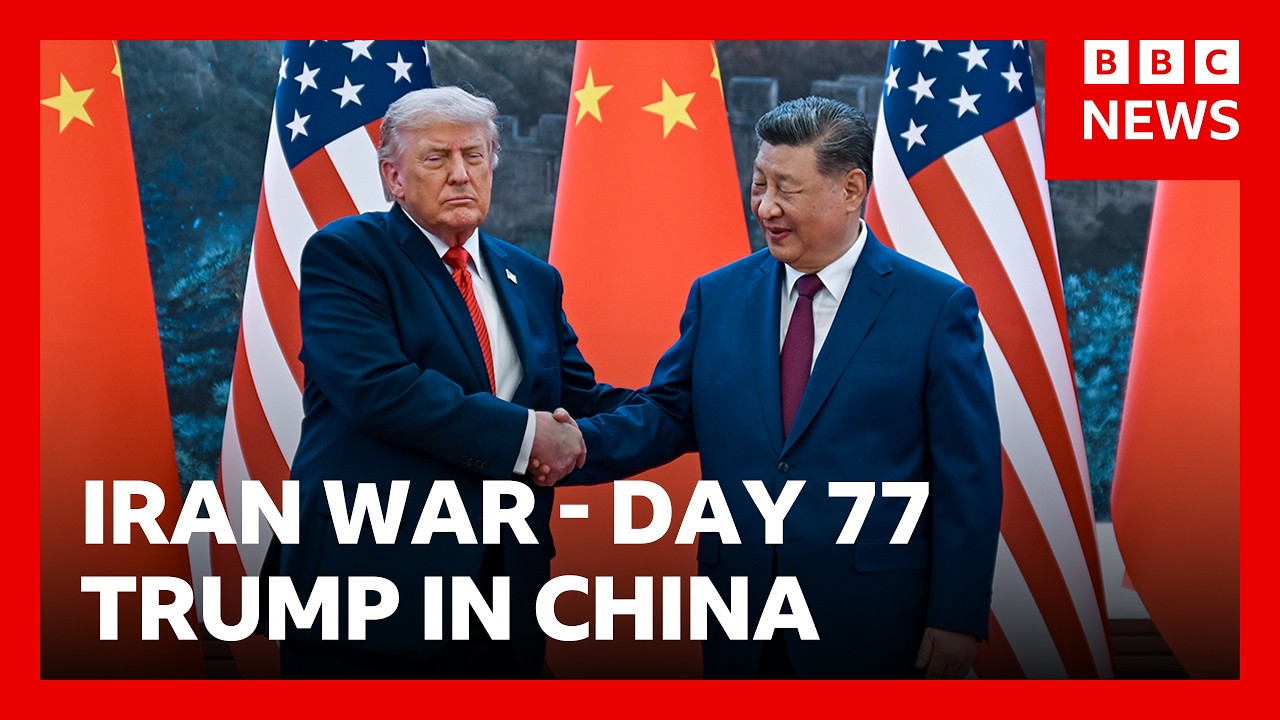
Former President Donald Trump sparked discussions about China’s potential role in mediating the situation. In recent comments aboard Air Force One, Trump declared he does not need China’s assistance to persuade Iran back to negotiations. However, he noted that Chinese President Xi Jinping may facilitate the reopening of the strategically vital Strait of Hormuz. This waterway is crucial, carrying a significant portion of the world’s oil supply. Trump expressed confidence in Xi’s intentions regarding Iran, indicating that China recognizes their nuclear ambitions pose a threat.
Iran’s Foreign Minister, Abdollahian, has expressed willingness for Beijing to play a role in diplomatic resolutions. However, he emphasized a prevailing sentiment of distrust towards the United States. "The most important issue right now is the question of trust. We cannot trust Americans at all," he stated, underscoring the roadblocks that continue to hinder negotiations.
UAE’s Strategic Shift
In a noteworthy development, the United Arab Emirates announced plans to expedite construction of a new oil pipeline that circumvents the Strait of Hormuz. By doubling the capacity of Abu Dhabi National Oil Company (Adnoc), this West-East pipeline is set to become operational next year. This move reflects a broader trend among nations in the region to reduce dependence on a waterway vulnerable to geopolitical tensions.
The Status Quo in Southern Lebanon
On another front, hostilities persist in southern Lebanon, with Israel and Hezbollah engaged in a cycle of attacks despite ongoing discussions in Washington aimed at extending a fragile ceasefire. Recent airstrikes by Israel have caused significant casualties, while Hezbollah continues to target Israeli positions. The fighting raises questions about the efficacy of current diplomatic efforts, particularly when the ceasefire has been mostly a façade.
Ambassadors from both Lebanon and Israel are currently in Washington engaged in talks. Initial reports from a State Department briefing suggest a degree of optimism about extending the ceasefire. However, the underlying complexities remain. Lebanon negotiates not just for itself but also acts on behalf of Hezbollah, creating a convoluted dynamic where the state appears at once involved and detached from the conflict.
Global Economic Ramifications
The conflict’s impact extends beyond the region, affecting global supply chains and energy prices. India, heavily reliant on energy imports, has begun to feel the pinch as fuel retailers are compelled to increase prices for the first time in four years. With roughly 90% of its energy needs met through imports, the blockade of the Strait of Hormuz exacerbates an already precarious situation, prompting the Indian government to advocate for conservation and alternative financial strategies.
Analysts note that the ongoing crisis is likely to cause a long-term shift in countries’ energy strategies. Many nations, seeking to break from reliance on the Strait, are reconsidering how they acquire and distribute energy resources.
The Path Ahead
The situation remains fluid, with lack of trust between Iran and the US complicating diplomatic engagements. Although Iran has relayed through Pakistan that it is open to dialogue, skepticism persists. The ball, as observers note, is now in the US’s court. Will it probe deeper into negotiations, or will assertiveness in energy management dictate the trajectory of the conflict?
As tensions continue, the stakes are high, and it remains uncertain how global powers will navigate these challenges in the months ahead. The complex interplay of local conflicts, international diplomacy, and economic repercussions will require astute policymaking and a collective commitment to peace.
The unfolding events in the region serve as a stark reminder that diplomacy, trust, and strategic foresight are imperative as we strive for resolution in this protracted conflict. Each day brings new developments, and the world watches closely.