Navigating the Winter Challenges in Toronto
In recent weeks, an extraordinary winter storm swept through Toronto, leaving a considerable amount of snow in its wake. This unprecedented weather event prompted widespread debate and varied responses from both residents and city officials. The snowstorm tested the resilience of a city undoubtedly used to harsh winters, yet even determined Torontonians found themselves navigating unfamiliar challenges.
The initial impact of the snowstorm was substantial, leading many to stay home. The mayor’s advisories resonated with residents, urging caution and common sense. Despite the city’s ability to withstand heavy snowfall, this storm proved to be a game changer. While typical winter weather might delay routines, this amount of snow felt extraordinary, even to those accustomed to the depths of winter. A resident with roots in Winnipeg noted, surprisingly, that such snow would have shut down operations in his hometown as well.
Toronto’s main thoroughfares, typically bustling, echoed a different story during the storm. Many drivers would have preferred to heed the mayor’s warning and stay off the roads. Yet one individual raised eyebrows when they took to a snowmobile, resulting in an unfortunate crash on a major highway. This incident highlighted the tension between the allure of winter recreation and the stark realities of navigating urban landscapes under extreme conditions.
Amidst the chaos, city crews worked tirelessly. Toronto boasts an extensive road network, measuring approximately 5,100 kilometers—enough distance to cross the nation. Yet, the quantity of snow rendered many areas nearly impassable. The ongoing efforts to clear roads illustrated the complexity of managing urban infrastructure during extreme weather. Snow plowing became a major undertaking, especially in narrow side streets where snow accumulation was most severe.
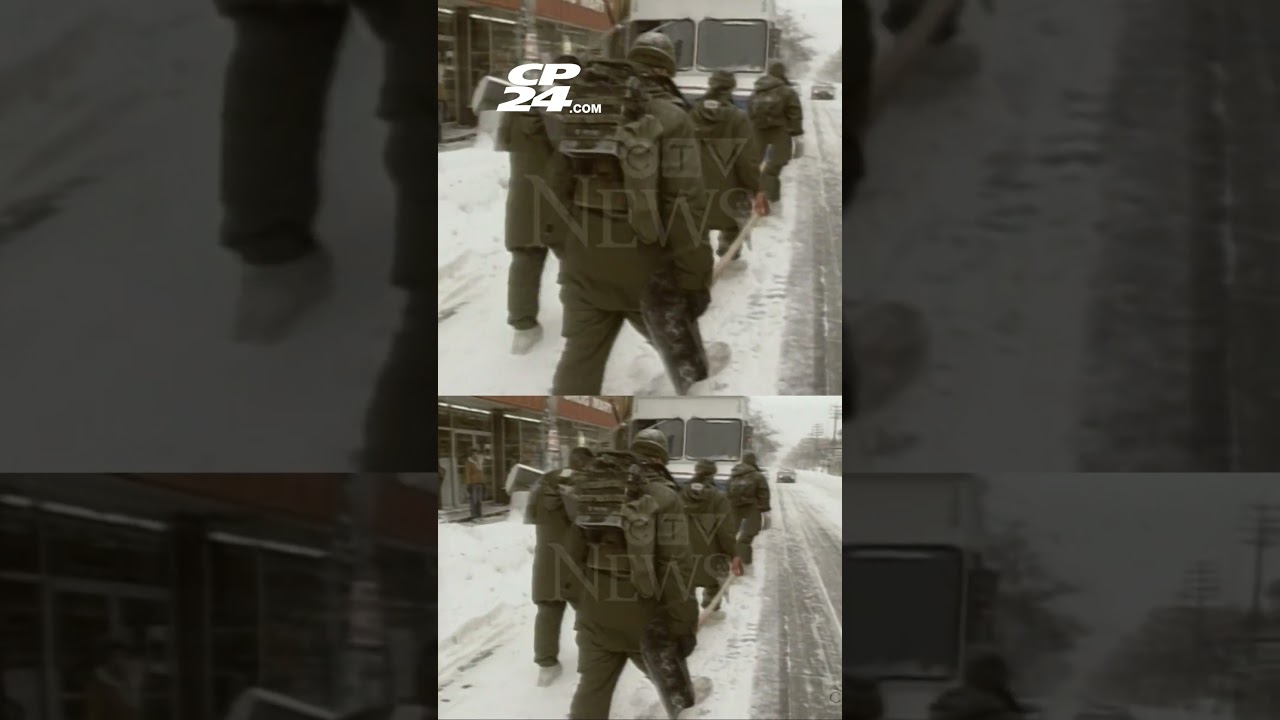
Challenges persisted even beyond routine snow removal. In certain neighborhoods, snow piled high, rendering normal vehicles ineffective. To address this, the army was called in, deploying four armored personnel carriers. These vehicles were instrumental in navigating snow-laden streets where ambulances could not reach. In a poignant moment, the army assisted in transporting eighteen individuals to medical facilities. While the presence of the military may have felt excessive to some, the city’s mayor firmly defended the decision, asserting its necessity and effectiveness.
Critics may scoff at the mayor’s urgency, but he invited them to witness the reality on the ground firsthand. Indeed, the aftermath of such snowfall presents hidden dangers. Conditions remained treacherous as roads turned slippery, culminating in incidents like a truck plunging off a bridge into a ravine, thankfully without serious injuries to the occupants. Such incidents highlight the ongoing risks posed by persistent winter conditions.
Despite the challenges, there was an underlying sense of community resilience amongst Torontonians. Reports indicated that many residents managed to cope, exemplifying the shared spirit that often defines urban life in tough times. Whether it was tackling snow-covered sidewalks or navigating the difficult decision of when to venture outside, a sense of solidarity emerged.
The mayor’s characterization of the people of Toronto as “the greatest” may lack subtlety, but echoes the sentiment felt among many. As the city slowly returned to its rhythm, the experience underscored the importance of preparation in the face of weather extremes.
In the long run, the last remnants of winter will fade as spring looms on the horizon. Yet, the city’s response to this winter storm will linger as a lesson in resilience and preparedness. The interplay of adversity and community spirit has a way of forging deeper connections, and in the heart of winter, that bond shines brightly in Toronto.