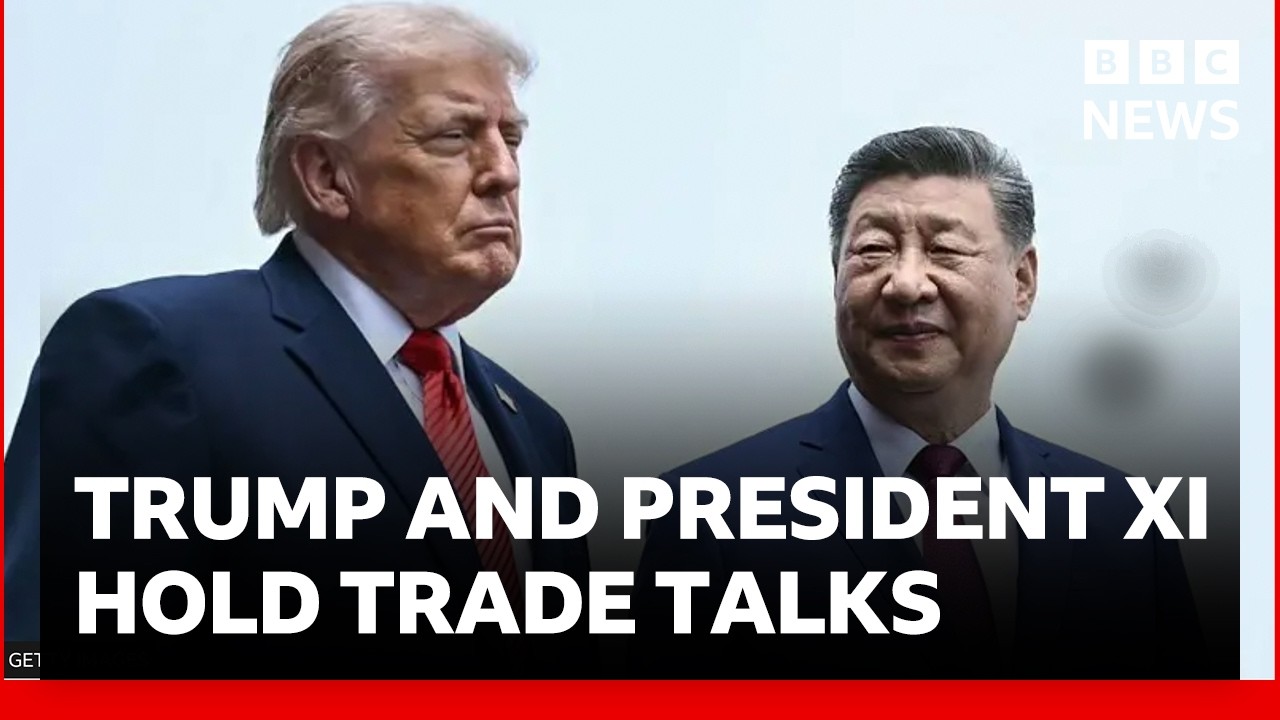
In a meticulously staged state banquet in Beijing, Chinese President Xi Jinping emphasized the need for the United States and China to be partners rather than rivals. This diplomatic dialogue unfolded on the first full day of U.S. President Donald Trump’s visit, underscoring the significance of their bilateral relationship. Both leaders presented themselves with a blend of cordiality and restraint, effectively turning what could have been a routine greeting into a powerful statement on the global stage.
The setting was deliberately crafted to exude strength, from the honor guard to the ceremonial music that played during Trump’s arrival. These elements not only glorified Xi’s authority but also served to elevate the status of the meeting in the eyes of both domestic and international audiences. Observers noted Trump’s seemingly genuine admiration for Xi, with references to the latter’s leadership eliciting applause from attendees. This display of mutual respect was carefully orchestrated, but it masked the underlying complexities of their relationship.
Despite the ceremonial exuberance, the substantive discussions between the two leaders were of paramount importance. The topics at hand included not only economic ties but also crucial geopolitical issues such as the ongoing war in Iran and the delicate status of Taiwan. Both presidents emphasized the importance of collaboration, suggesting a mutual interest in stability and growth. “The two countries should be partners, helping each other succeed and prosper together,” Trump articulated, words that contrasted starkly with his previously tough stance on China. This pivot reflects the challenging dynamics he faces, as he grapples with various domestic and international pressures.
While the banquet served as a platform for warm exchanges, the two leaders have yet to yield any tangible outcomes. Both nations left the meeting with an invitation for reciprocal visits—an indication of goodwill but devoid of concrete policy progress. Trump’s unusually reserved demeanor in front of reporters, particularly his reluctance to discuss Taiwan, signified a shift in posture. Instead of dominating the conversation as he is known to do, he appeared more deferential, aware of the potential ramifications of his words. Xi’s earlier warnings about Taiwan were palpable, emphasizing that any changes to the U.S. stance on the matter could provoke serious repercussions.
Beyond the ceremonial exchanges, the stark contrast in the readouts from both governments post-meeting shed light on their divergent priorities. American officials highlighted discussions about maintaining the stability of the Strait of Hormuz and reiterated their firm position against a nuclear-armed Iran. Meanwhile, the Chinese summary merely pointed towards a discussion on the Middle East, lacking the specificity of American claims. This disparity exemplifies the broader complexities of U.S.-China relations, as both nations navigate their respective foreign policies while being acutely aware of one another’s interests.
As the two leaders parted, it remained evident that their relationship—as vital as it is—entails a delicate dance. The fluctuation in Trump’s rhetoric towards China signals a strategic recalibration amidst the backdrop of escalating tensions in the Middle East. With Trump embroiled in various domestic challenges, his willingness to collaborate with Xi reflects a pragmatic approach, albeit one tempered by the limitations imposed by ongoing conflicts.
In conclusion, the encounter between Trump and Xi has set an intricate stage for future interactions. While they extolled the virtues of partnership, the underlying issues requiring resolution remain formidable. Both nations, amid their divergent perceptions of power and influence, face a crucial juncture. The success of their partnership—or the lack thereof—will likely resonate far beyond their borders, affecting the global landscape for years to come. This meeting may have heralded optimism, yet the path forward is fraught with challenges that will require both leaders to exercise diplomacy with care and foresight.