Political Shake-Up: Wes Streeting’s Resignation and the Future of the Labour Party
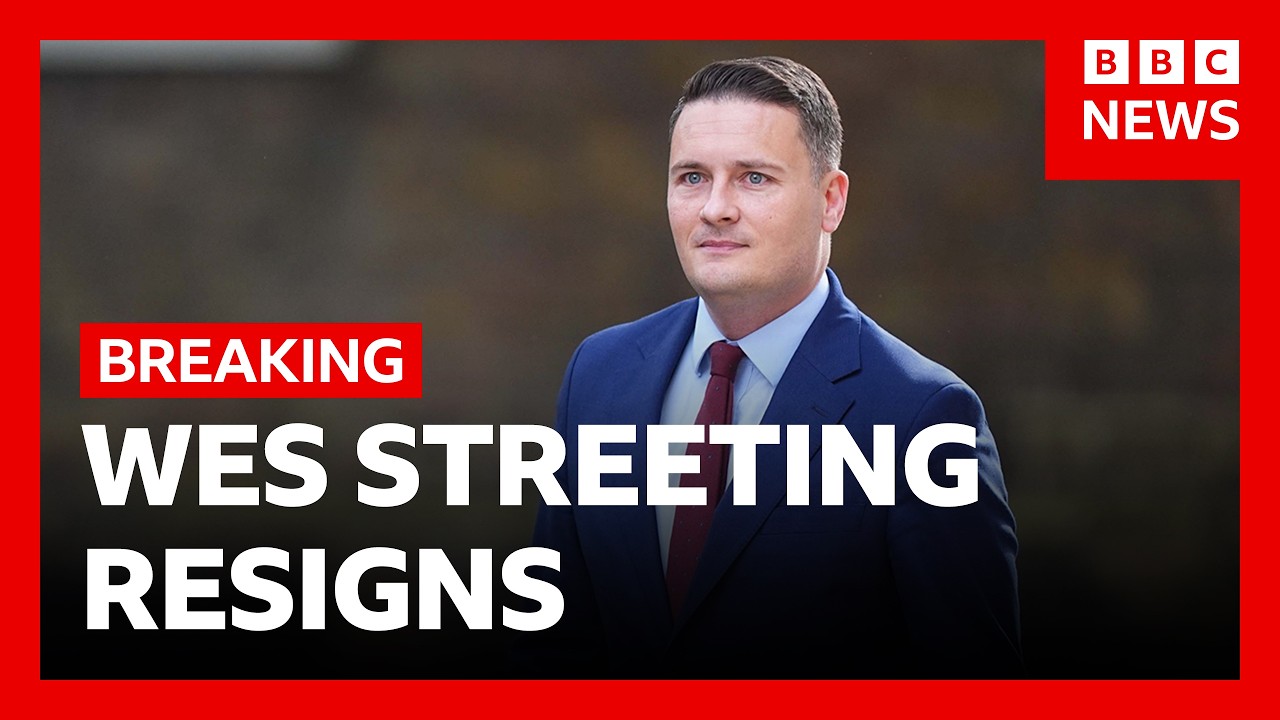
In a surprising turn of events, Wes Streeting has resigned from his position as Health Secretary, a moment that may signal deeper unrest within the Labour Party. The announcement arrived just minutes ago, eliciting immediate reactions from political analysts and party members alike.
Streeting’s resignation letter, directed to Labour leader Sir Keir Starmer, reveals his growing dissatisfaction with the current leadership. He articulated his belief in the progress made during his tenure but ultimately stated, “Having lost confidence in your leadership, I have concluded that it would be dishonorable and unprincipled to remain as Health Secretary.” This stark declaration underscores a troubling sentiment among some top Labour figures regarding Starmer’s ability to effectively steer the party.
The backdrop for this resignation includes poor performances in recent elections, particularly affecting Scottish and Welsh parliamentary seats along with English council results. Streeting points to these defeats, suggesting their scale is unprecedented and that they could set the stage for significant political upheaval, including the potential rise of Nigel Farage and Reform UK as a formidable force in Westminster.
These statements echo a broader unease within the party; as Streeting pointed out, “we have drift” where vision should be. His remarks illustrate not only a critique of Starmer’s leadership but also a warning about the future direction of the Labour Party. He emphasized the need for a rejuvenated discourse—one centered on ideas rather than factionalism or personal rivalries.
While Streeting’s letter does not explicitly announce his candidacy for the Labour leadership, the implications are clear. His resignation creates an opening for a leadership contest that could further fracture an already divided party. In the coming days, clarity will be essential. Streeting must now engage with Labour MPs to articulate whether he seeks their support in his bid for leadership.
He previously met with Prime Minister Rishi Sunak over coffee, suggesting that conversations around leadership and vision have been brewing for some time. The discussions might have served as a precursor to Streeting’s resignation, as he prepares to position himself as a potential alternative to Starmer.
The next steps for the Labour Party remain uncertain. If Streeting is indeed positioning himself as a candidate for party leadership, he will need to secure backing from at least 80 of his colleagues to proceed to a member ballot. In marked contrast, Starmer, as the current leader, automatically qualifies for that ballot. This gives him an advantage should competition arise.
The landscape of potential candidates is diverse. Figures such as Angela Rayner and Andy Burnham are being mentioned in the conversation. Rayner, recently clearing her tax affairs, could see her popularity factor heavily into her candidacy. Meanwhile, Burnham’s long-promised return to Parliament remains speculative; without an MP willing to vacate their seat, his path is fraught with uncertainties.
As the Labour Party contemplates its future, the timetable for a leadership contest remains a point of deliberation. The National Executive Committee holds substantial discretion over this process and is likely to weigh the concerns of its members and unions. The political climate has shifted, particularly following the recent electoral outcomes, which prompted a united statement from all affiliated trade unions questioning Starmer’s ability to lead into the next general election.
This extraordinary alignment among trade unions, traditionally pillars of Starmer’s support, indicates a critical moment for Labour. It raises questions about allegiance and loyalty within the party ranks. The groundwork laid by these unions indicates profound discontent that could reshape internal factions.
In conclusion, Wes Streeting’s resignation from his role as Health Secretary may be emblematic of a larger crisis within the Labour Party. As the dust settles from recent elections, both internal tensions and the prospect of a leadership contest could define the party’s trajectory in the coming months. Political observers, party members, and the public alike will be watching closely as this situation unfolds, signaling possible transformations that may alter the landscape ahead of the next general election.