Kier Starmer’s Leadership Crisis: Navigating Internal Dissent and External Threats
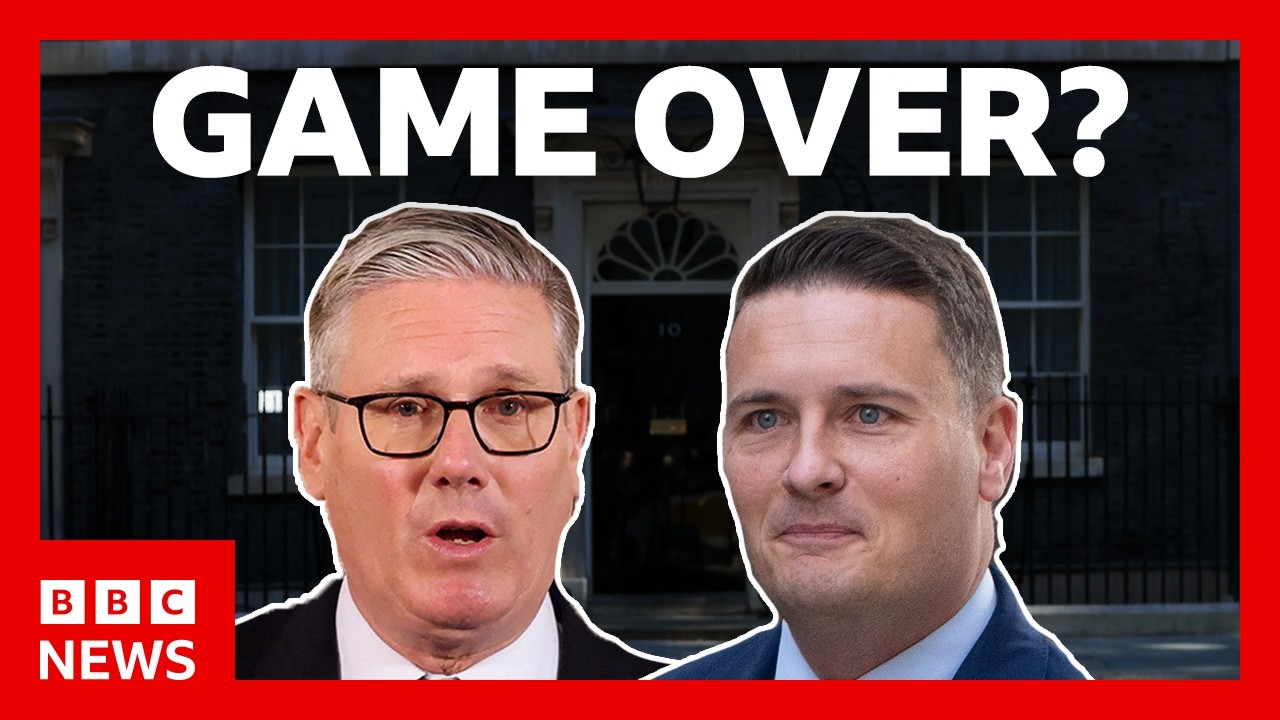
In the wake of a disappointing performance by the Labour Party in the recent May elections, UK Prime Minister Kier Starmer finds himself in a precarious position. His pledge to move forward with governance, despite mounting pressure from within his own party to step down, raises critical questions about the future direction of Labour and its ability to counter the emerging threat from Reform UK.
Starmer, who made history as the fifth individual to propel Labour from opposition to power, initially earned accolades for revitalizing a party that suffered its worst general election defeat since 1935. “We will carry the responsibility of your trust as we rebuild our country,” he proclaimed, his vision for change resonating with many voters. However, less than two years into his premiership, Starmer is facing public calls for his resignation, primarily fueled by his party’s lackluster electoral performance and contentious policy decisions.
Standing outside Number 10, political analysts and commentators grapple with the question: How did we reach this point? Privately, numerous Labour MPs have expressed lingering dissatisfaction with Starmer’s leadership. Key concerns have been raised regarding the government’s recent decisions, such as the controversial cuts to the winter fuel allowance, which prompted a quick reversal. Additionally, critics within the party question the shift towards right-leaning policies, particularly in areas like immigration, which appears to mirror the platforms of Reform UK.
The issue of judgment has taken center stage, particularly with the reemployment of Peter Mandelson, a figure deeply associated with the party’s past and controversial due to revelations about his connections. Many Labour MPs believe that the focus on Mandelson has overshadowed the government’s achievements, such as the Renters Rights Act and efforts toward a greener energy agenda. They argue that these significant initiatives are not receiving the attention they deserve, thereby restricting Labour’s ability to communicate its messages effectively.
Despite the escalating unrest, Starmer has committed to continuing his role as Prime Minister, noting that no formal challenge to his leadership has emerged. According to Labour Party rules, a leadership contest can only be triggered if 20% of MPs support a challenger, which currently translates to the backing of 81 Labour MPs. With potential candidates like Andy Burnham, Wes Streeting, and Angela Rayner lurking, the dynamics within the party have become increasingly complex.
Burnham, often dubbed the “King of the North,” has garnered significant support from both MPs and the electorate due to his tenure as Mayor of Greater Manchester. However, his current status as a non-MP complicates his prospects. Streeting, Labour’s health secretary, is characterized as an adept communicator but faces challenges owing to perceptions of being more right-leaning than the party’s grassroots. Rayner, who previously served as Deputy Prime Minister, has her own baggage, including an ongoing HMRC investigation.
As populist parties like Reform UK consolidate their electoral base, there is heightened urgency among Labour MPs to reassess their strategy. Some advocate a shift to the right to reclaim lost ground, while others argue for a return to their core leftist principles, seeking to attract support from environmentalist groups and liberal parties. This internal tug-of-war complicates the landscape for any potential leadership challenge, which could risk further alienating voters wary of instability.
Starmer continues to assert his intention to lead Labour out of this crisis, but uncertainties loom over his capacity to quell dissent and unify a divided party. Navigating the choppy waters of party politics while facing external pressures from resurgent opposition remains a daunting task. Ultimately, the decisions made in the coming weeks could define not only Starmer’s leadership but also the future trajectory of the Labour Party itself.
The stakes are high: can Starmer prove his critics wrong and successfully steer Labour through turbulent times, or will the calls for his resignation grow louder, heralding a significant shift in British politics? As the party contemplates its next steps, one thing becomes clear—its future hinges on unifying its message and addressing the very real concerns of its membership.