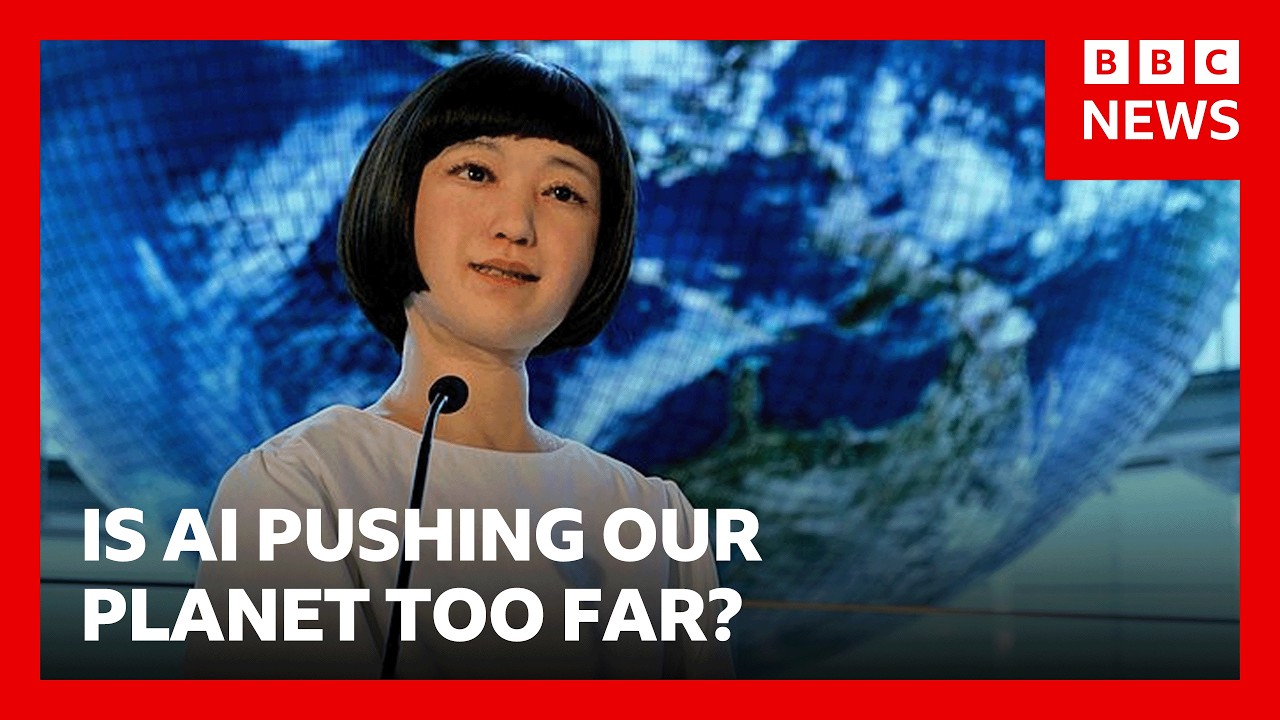
The AI Revolution: Challenges and Innovations in Data Centers and Digital Influencers
The rise of artificial intelligence (AI) has ushered in unprecedented technological advancements across various sectors. However, this AI revolution is heavily reliant on energy-intensive data centers, which are increasingly becoming bottlenecks in this rapidly evolving field. With the escalating demand for AI capabilities, the challenges that these data centers face are myriad and complex.
Data Centers: The Energy-Intensive Backbone of AI
Data centers serve as the heart of the AI ecosystem, consuming vast amounts of power—equivalent to that of a small city. In the past year alone, tech giants have invested over $400 billion in building these facilities. Yet, despite this substantial investment, approximately 40% of planned data centers in the United States are face serious delays due to a shortage of electricity, essential equipment, and skilled labor.
A significant issue is the aging U.S. electric grid, which has seen little investment over the years. Essential components like transformers and switch gears are often delayed due to supply chain disruptions exacerbated by tariffs on Chinese goods. This leads to prolonged timelines for data center construction, as companies struggle to source the necessary equipment. Coupled with a shortage of skilled electricians and laborers, the landscape for creating new data centers becomes increasingly precarious, particularly as the demand for AI technologies mounts.
Renewable Energy: A Dilemma in Crisis
The current energy crisis has heightened these challenges. Major tech companies, recognized as "hyperscalers" like Meta and Amazon, are under significant financial pressure. In an effort to manage energy costs, some are exploring options like mini-nuclear reactors to supplement their energy needs. However, these solutions are still in the pipeline and present logistical hurdles that make their implementation time-consuming. Until then, many companies continue relying on natural gas—a situation that raises concerns about long-term sustainability.
The scale of energy consumption is staggering. For instance, projections indicate that OpenAI alone could need over 20% of the United States’ electricity capacity, amounting to a colossal $10 trillion investment. Such figures prompt questions regarding the feasibility of these ambitious data center projects and the underlying economics of the AI bubble, which may be facing a period of readjustment.
The Rise of AI Influencers: The Ethics of Fabricated Realities
In addition to the technical challenges surrounding data centers, the emergence of AI-generated influencers presents another layer of complexity. At events like Coachella, digitally created personas are now posing alongside influential celebrities, often without disclosure. While such innovations may reduce costs for brands, they also introduce ethical dilemmas, particularly regarding deception and the manipulation of public perception.
The marketing potential for AI influencers is significant. Unlike human influencers, they don’t experience personal struggles, aging, or public opinion shifts. As a result, brands are increasingly leveraging these digital avatars in their marketing campaigns, often without transparent labels or disclaimers.
The implications stretch beyond marketing. For young individuals consuming this content, AI influencers create unrealistic standards. The lack of clarity surrounding these fabricated personas can lead to misinformation and disillusionment, particularly among younger audiences, who are increasingly concerned about the ethical implications of technology.
The Path Forward: Rethinking Infrastructure and Ethical Standards
The challenges we face in both the data center and influencer landscape underscore a pressing need for integrated solutions. Data centers should not merely be massive structures placed remotely; they require innovative designs that incorporate smaller, decentralized facilities with renewable energy sources. Smaller data centers integrated into existing infrastructure can leverage renewable energy more efficiently, potentially reducing environmental impact.
Regulatory frameworks must evolve in tandem with these technological advancements. Greater transparency in AI-generated content is emerging as a significant topic of discourse, compelling tech companies to disclose their methods of production and the ethical ramifications involved.
As we move deeper into the AI era, the dialogue surrounding these issues is crucial. It is imperative for stakeholders—be they industry leaders, regulators, or the public—to collaborate in establishing standards that prioritize sustainability and ethical practices. The choices made today will shape the future of both AI technologies and the societal landscapes in which they operate. Recognizing and addressing these challenges will allow us to harness the full potential of AI while navigating the responsibilities that come with it.