Japan’s Packaging Shift: The Impact of Global Events on Local Markets
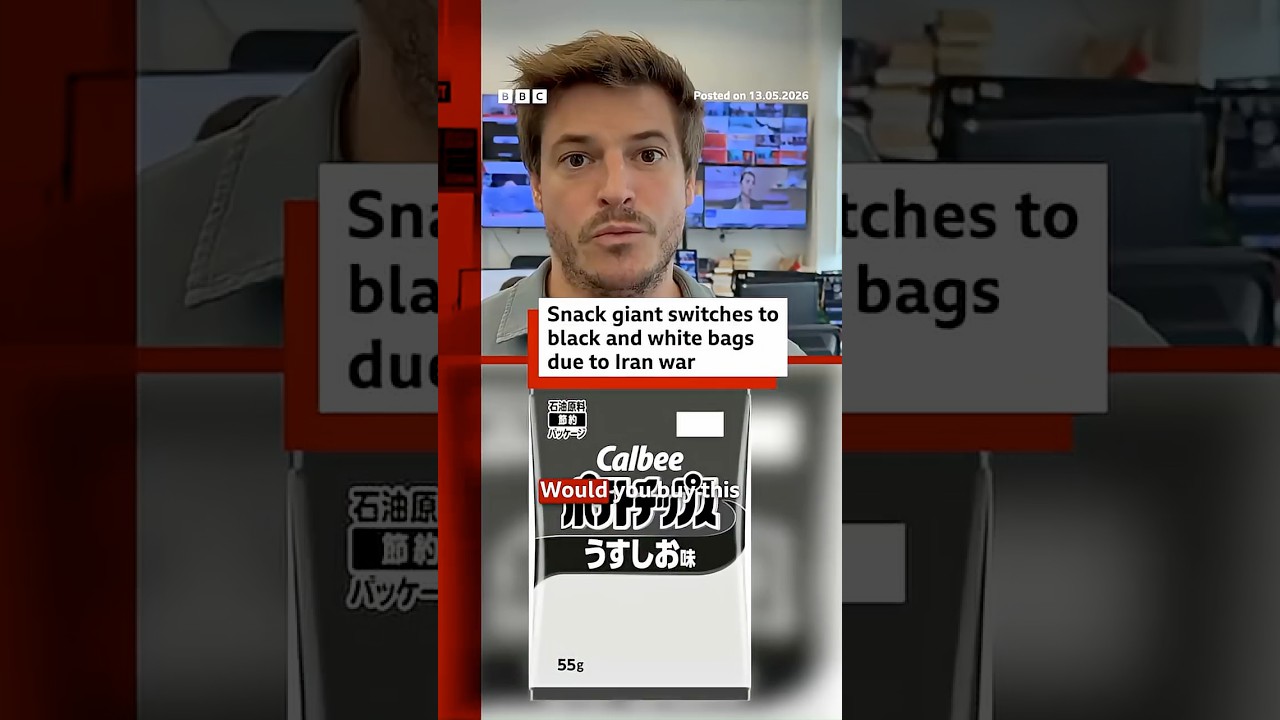
In an unexpected move, Japan’s largest snack maker, Calb, has announced a significant change to its packaging. The company is transitioning many of its products from vibrant color packaging to stark black and white designs. This decision is not merely aesthetic; it stems from a broader global crisis that has resulted in an ink shortage.
The catalyst behind this ink scarcity? The ongoing tension in the Middle East, particularly related to the Iran conflict, which has disrupted supplies and caused a surge in prices. Understanding this situation requires delving into the complexities of global trade and commodity sourcing, especially concerning raw materials essential for production.
At the heart of ink production is a substance known as NAFTA, which is derived from crude oil. The crux of the issue lies in the fact that millions of barrels of crude oil are currently trapped near the Strait of Hormuz, a strategic waterway controlled predominantly by Iran. Over the past few months, geopolitical tensions—especially attacks attributed to the US and Israel against Iranian interests—have exacerbated this control, thereby restricting oil flows and impacting global markets.
Japan, heavily reliant on foreign oil, sources approximately 90% of its crude oil from the Middle East—40% of its NAFTA also comes from this region. As the conflict unfolds, ink prices have skyrocketed, with colored inks becoming particularly costly. In contrast, black inks are relatively cheaper to produce. Consequently, Calb’s pivot to monochromatic packaging emerges as a pragmatic response to economic pressures.
This strategic change raises an important question: Is Calb leveraging this situation as a potential marketing tactic? Some analysts posit that this could be a savvy move aimed at appealing to consumers in times of crisis. By opting for minimalistic black and white designs, the company may resonate with a growing trend of sustainability and simplicity in consumer preferences.
However, the broader implications of this decision warrant careful consideration. Packaging is a crucial element in food marketing, influencing consumer behavior profoundly. The shift not only reflects immediate economic realities but may also open up discussions about design aesthetics and consumer identity in the present age. The stark contrast of black and white packaging might be interpreted as a statement of resilience amidst turbulent times.
By the end of the year, shoppers in Japan can expect to see 14 of Calb’s products featuring this new black and white design on their store shelves. This transformation represents more than just an adaptation to a market constraint; it symbolizes a nuanced understanding of the intricate interplay between global events and localized business strategies.
Moreover, this situation illustrates a broader trend where international conflicts and market dependencies can directly influence consumer goods. It prompts a reflection on how interconnected our global economy is—an ink shortage in one part of the world can lead to significant changes thousands of miles away.
As consumers, we may find ourselves grappling with such shifts. Instead of bright, colorful packaging that once dazzled our senses, we may now encounter simpler designs that tell a story of crisis and adaptation. In the grander scheme of things, this serves as a reminder of the unpredictable nature of global trade, where one event can ripple through markets, affecting products we often take for granted.
In conclusion, Calb’s decision to transition to black and white packaging is grounded in both necessity and opportunity. While it primarily addresses a pressing ink shortage driven by geopolitical factors, it also opens the door to deeper conversations about consumer perception, aesthetic choices, and the vulnerabilities within our interconnected global economy. As this packaging trend unfolds, the interplay between context and creativity will likely continue to evolve, reflecting not only Japan’s response to current realities but also the broader complexities of our world today.