Escalating Tensions: A Comprehensive Overview of the Iran Crisis
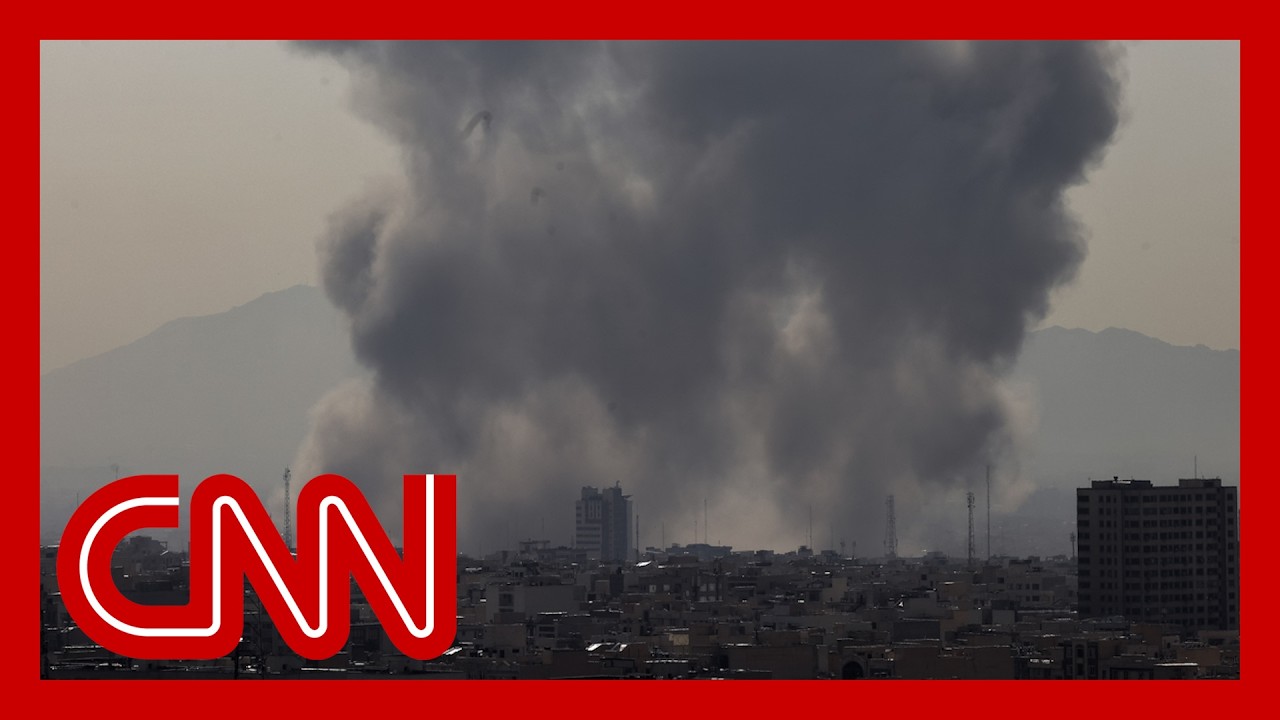
In a dramatic escalation of hostilities, explosions have shaken major cities across Iran, including the capital, Tehran. Footage captures thick plumes of smoke billowing over urban landscapes, signaling a deepening crisis. Alarmingly, reports have emerged of similar explosions in Gulf states housing U.S. military installations, including Bahrain, Qatar, and the United Arab Emirates. The situation appears particularly dire, with official statements indicating that a missile struck a service center for the U.S. Navy’s Fifth Fleet in Bahrain.
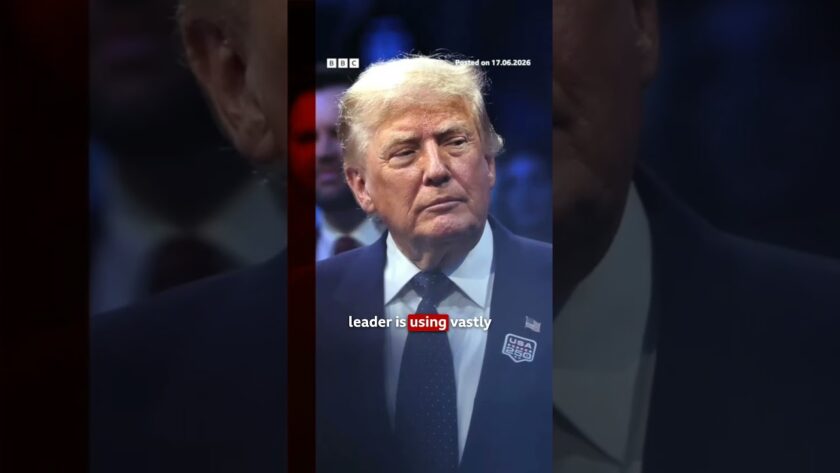
These strikes come just a day after renewed yet precarious indirect nuclear negotiations took place between Iran and the United States. CNN sources reveal that U.S. military officials anticipate these military responses could persist for days, highlighting the seriousness of the situation. Israeli Prime Minister Benjamin Netanyahu and former President Donald Trump have both called for regime change in Iran, highlighting a potential shift in U.S. policy. Trump, addressing the Iranian populace, proclaimed, “The hour of your freedom is at hand,” suggesting that this turbulence might present a rare opportunity for the Iranian people.
On the ground, Iran has reportedly retaliated by launching numerous ballistic missiles aimed at Israel. Noteworthy is Qatar’s assertion that it successfully intercepted two Iranian missiles, underscoring the rapid expansion of the conflict across the region. As this volatile situation unfolds, CNN’s Jeremy Diamond reported from Tel Aviv, revealing that air raid sirens blared across Israel, compelling millions to rush to bomb shelters. He detailed a coordinated military operation involving both U.S. and Israeli forces targeting Iranian assets, which he described as extensive and precise.
The timeline of these events is critical. The crisis escalated during the early hours of the morning, when Israelis were alerted not to incoming threats but rather a new state of emergency, signifying significant military action against Iran. The simultaneous military maneuvering and diplomatic efforts prior to this moment reflect the complexities at play—not merely a shift in tactics, but also the potential dismantling of decades of fragile diplomacy surrounding Iran’s nuclear ambitions.
Highlighting the gravity of the crisis, President Trump claimed, “Our objective is to defend the American people by eliminating imminent threats from the Iranian regime.” His remarks illustrate the perceived urgency for action against what he referred to as a “vicious group”—highlighting a longstanding perception that the Iranian regime poses a direct threat to U.S. interests and allies.
As the U.S. military prepares for protracted engagement, the broader implications loom large. Given the existing discontent among the American electorate regarding involvement in foreign conflicts, the administration faces mounting pressure to clearly articulate its objectives. Many Americans, particularly voices within the Republican Party, are wary of entering another extended military entanglement, having witnessed the protracted consequences of past conflicts.
Alina Treen, reporting from Palm Beach, identified a significant shift in the administration’s strategy. Just days before the military strikes, diplomatic channels were still open, yet Trump’s move toward military confrontation marks a pivotal departure from dialogue. The urgent tone of Trump’s statements suggests a dual objective: to dismantle Iran’s nuclear capabilities while simultaneously encouraging domestic unrest against the Iranian government.
As battles rage across the region, the ramifications of these actions are far-reaching. The American public, alongside global observers, is left with critical questions: What will the next steps entail? What does a potential regime change in Iran mean for stability in the region? And crucially, how will the U.S. plan to manage possible retaliatory actions from Iran, especially against American forces stationed nearby?
These pressing questions underline the precariousness of the current geopolitical climate surrounding Iran. As the region braces for what could be an extended confrontational phase, the implications for international relations, military strategy, and the lives of countless civilians remain paramount. The unfolding narrative will certainly be one of profound complexity, warranting close examination as events continue to develop in real time.