Donald Trump’s Historic Visit to China: A Diplomatic Balancing Act
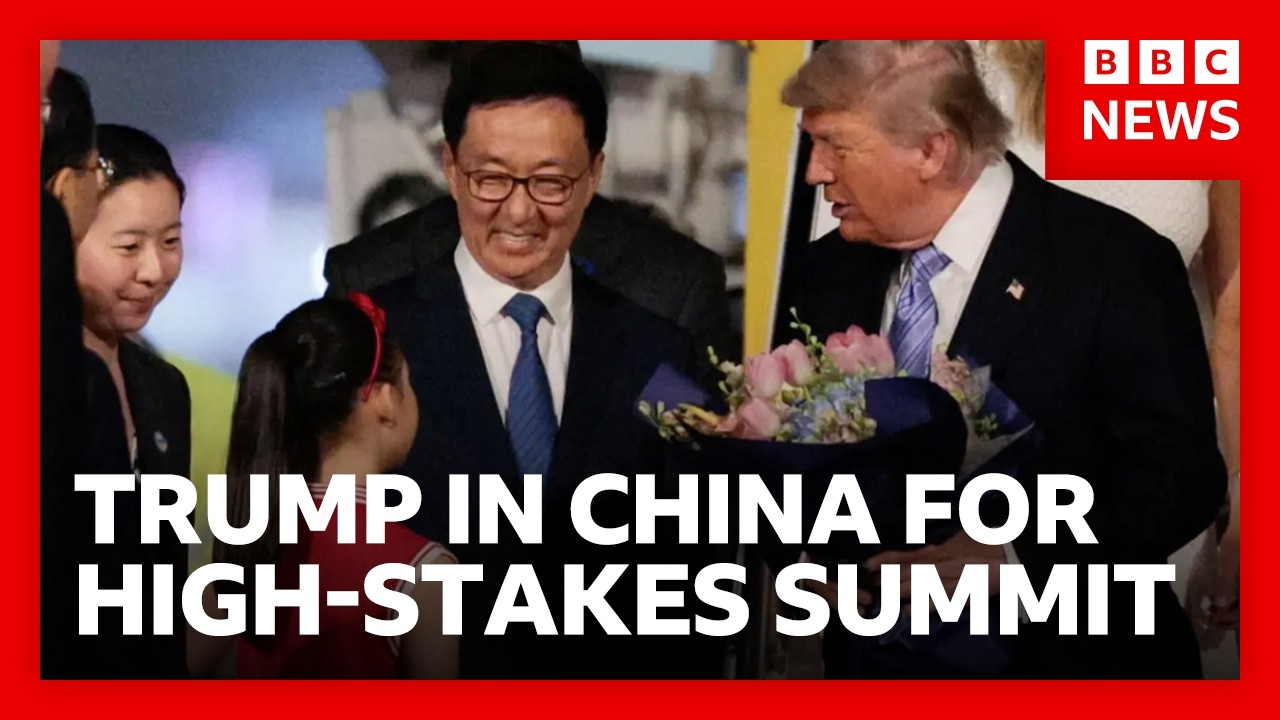
Donald Trump has embarked on a significant two-day trip to China, marking the first official visit by a U.S. president in nearly a decade. The stakes are high as the world’s two largest economies navigate the complex economic repercussions following the war with Iran. A pivotal aspect of Trump’s agenda revolves around increasing access for U.S. companies within the Chinese market. Accompanying him on this journey is an influential delegation, which includes leaders from major corporations such as Apple, Boeing, and Nvidia.
The welcome Trump received in Beijing was nothing short of spectacular. The Chinese government orchestrated a meticulously choreographed display, a demonstration of their commitment to solidifying diplomatic ties. Amidst the fanfare, Trump acknowledged the significance of the moment. He has previously indicated a hawkish stance toward China; however, on this trip, he appears eager to foster economic cooperation. “This is going to be a very exciting trip. A lot of good things are going to happen,” Trump stated, signaling his optimism.
Trump’s trip is complicated by the ongoing tensions in the Middle East, particularly regarding relations with Iran. Although Trump professed confidence that the U.S. would “win” against Iran, whether through negotiations or otherwise, U.S. officials are actively encouraging China to leverage its substantial economic influence over Tehran. As the largest buyer of Iranian oil, Beijing holds unique sway in urging Iran toward the negotiating table.
The backdrop of rising tensions is a significant concern during the summit. In recent years, China has emerged as the world’s leading car exporter, a testament to its growing manufacturing prowess. U.S. manufacturers are now faced with unparalleled competition. Additionally, China has invested heavily in technological advancements, particularly in robotics. While Chinese firms have mastered the production of robotic components, there remains a dependency on foreign expertise for advanced technology.
During the visit, there is mutual interest in high-tech partnerships, particularly regarding the supply of high-end semiconductor chips from the United States. President Xi’s ambition to elevate China’s status as a tech leader hinges on access to these crucial components. But whether Trump will acquiesce remains uncertain.
Aside from economic issues, China is also striving to enhance its cultural image and global engagement. Efforts such as viral marketing and visa-free travel initiatives have drawn millions of tourists to its borders. “I feel like China is getting more connected to the world, more integrated with the international community. I feel like the world is like a big family,” remarked a local observer. Yet, this enthusiasm masks underlying challenges, such as rising unemployment and uneven growth that leave many workers earning minimal wages.
China’s aspirations for global leadership depend heavily on stable relations with the United States. Since Trump’s last visit in 2017, the geopolitical landscape has evolved dramatically. China has grown increasingly assertive, and under Xi’s leadership, the nation seems to be approaching these talks from a position of confidence. In contrast, Trump’s approval ratings are on a decline, which may affect his negotiating power.
It is likely that Xi will seize this opportunity to press for the cessation of U.S. arms sales to Taiwan, a territory Beijing considers its own. The potential ramifications of U.S. policy in this respect could have far-reaching implications for regional security. Trump, on the other hand, is keen on securing a high-profile trade agreement that he can present as a major win back home.
As Trump navigates these complex waters during his visit, the combination of ceremonial splendor and serious discussions paints a vivid portrait of modern diplomacy. Xi is prepared to elevate Trump’s experience, possibly treating him as an emperor for a day during a tour of the historic Temple of Heaven. The stakes are clear: both nations stand to gain from a productive partnership, yet the path to achieving this remains fraught with challenges. The world will closely monitor the outcomes of these significant discussions, as they will shape global economic dynamics in the years to come.