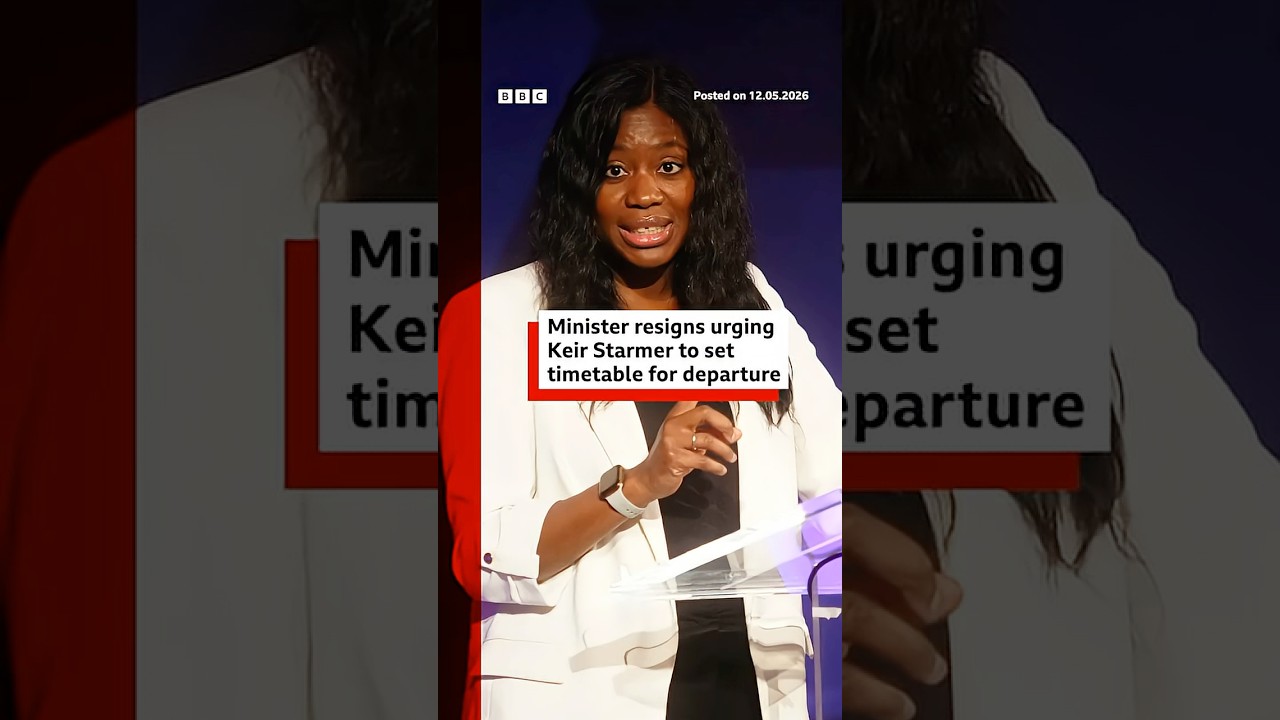
Resignation Triggers Turmoil: Marsha de Cordova Calls for Leadership Change in Labour Party
In a significant political development, Marsha de Cordova, the Labour Party’s Communities Minister, has announced her resignation, calling for a clear timetable for a transition in leadership. Her departure not only signals personal dissent but highlights a growing rift within the Labour Party, pointing towards an escalating discontent with current leadership under Sir Keir Starmer.
De Cordova’s resignation is not merely an isolated incident; rather, it serves as a symptomatic reflection of broader frustrations within the party. In her statement, she expressed concerns about the Labour Party’s current performance, emphasizing a lack of "vision, pace, and ambition" that is essential for meaningful change. This criticism resonates deeply among party members who feel that the Labour Party has strayed from its core values and has failed to deliver on the promises made to the electorate.
The resignation also suggests that various factions within the Labour Party are beginning to unite in their calls for a change in leadership. De Cordova’s public assertion that Starmer must set a timetable for transition indicates a consensus among dissenters. This is notable in a party historically characterized by internal divisions along ideological lines. The urgency of her appeal signifies that the once-fractured factions are now converging, recognizing a common need for decisive action.
Starmer’s leadership has faced increasing scrutiny, particularly following the party’s recent electoral challenges. Critics argue that his cautious approach has alienated traditional Labour voters and failed to inspire broader support. De Cordova’s critique encapsulates a sentiment that has become increasingly vocal: the belief that the party is not acting in accordance with the mandate granted to them by the electorate.
Moreover, this resignation could imply a deeper trend within the party, whereby other members might follow suit if changes are not enacted. The idea of an "orderly transition" hints at a structured plan rather than a chaotic ousting, emphasizing the need for stability while navigating through potentially turbulent waters. The Labour Party, still reeling from its last major electoral defeat, cannot afford further disarray within its ranks.
De Cordova’s broader remarks about the Labour Party’s values draw attention to a critical aspect of political strategy. In times of uncertainty, clarity of purpose and strong convictions become indispensable. An electorate yearning for transformative change looks towards leaders who embody these ideals. The perception that the current leadership lacks a strong moral compass could lead to long-term repercussions for the party.
Starmer now faces an unsettling quandary. As the pressure mounts, he must decide whether to innovate his leadership approach or to adhere to the cautious strategy that has defined his tenure thus far. The resignation of a high-profile minister like de Cordova adds weight to the calls for change, potentially affecting public perception of the party’s viability going forward.
This moment serves as a crucial juncture for the Labour Party, heightening the stakes as the political landscape shifts. The newfound alignment among factions suggests an urgency to redefine party goals and management if they are to regain public trust. The coming weeks will undoubtedly reveal how Starmer responds to this internal crisis and whether he can regain control of a fracturing party.
In conclusion, Marsha de Cordova’s resignation underscores a significant moment of reflection and potential transformation within the Labour Party. Her call for a structured transition is both a critique and a blueprint for future actions. As factions unify in their demands, Sir Keir Starmer is now tasked with navigating these challenges effectively. The effectiveness with which he addresses these issues will ultimately determine not just his leadership legacy but the future direction of the Labour Party itself. The urgency for change has never been more palpable, setting the stage for a potentially turbulent yet pivotal moment in British politics.