Gunfire Erupts Near the White House: An In-Depth Overview
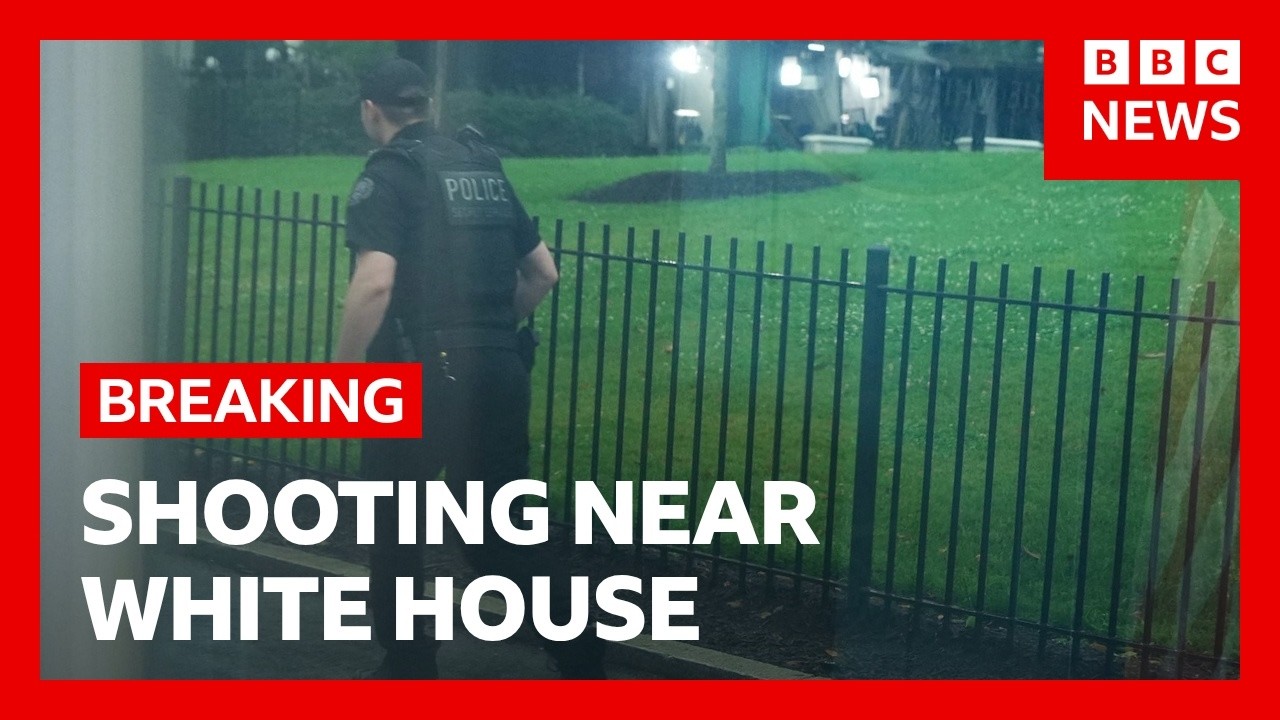
On a tense evening in Washington, D.C., what began as a typical day turned rapidly chaotic as gunfire erupted just outside the White House complex. The incident, unfolding at the intersection of 17th and Pennsylvania Avenue, involved an exchange of gunfire between a suspect and Secret Service agents, prompting a large-scale security response and immediate lockdown of the White House grounds.
According to reports, the scenario began when a suspect approached a security checkpoint and opened fire on agents stationed there. In fast-paced succession, multiple shots rang out, estimated to be twenty to thirty in total. Witnesses within the White House complex, including reporters, described a scene of panic as they ducked for cover while live broadcasts were in progress. The quick reaction of the Secret Service was evident as they immediately ordered anyone in the vicinity to seek shelter inside.
The aftermath of the incident led to two individuals being injured and subsequently transported to a local hospital. The suspected shooter is reported to be in critical condition, while a possible bystander, also wounded, is in serious condition. The Federal Bureau of Investigation (FBI) has since arrived at the scene to investigate further, indicating the severity of the situation. FBI Director Cash Patel has assured the public that updates will be provided as more information becomes available.
One notable aspect of the event is its recency to a prior incident where a gunman fired shots at the White House Correspondents’ Dinner, an event attended by high-profile politicians and media personnel. Both occurrences raise questions about the safety of individuals, especially those in proximity to power. Tensions are understandably heightened given these events, particularly among journalists and officials, many of whom just a month ago experienced a similar atmosphere of fear.
Aaron Navaro, a CBS News White House reporter, provided firsthand accounts of the chaos during the shooting. He described being in a designated area known as Pebble Beach, where multiple media outlets setup for live coverage. Upon hearing gunfire, he reported an immediate response from the Secret Service, directing individuals to enter the White House for safety. During the lockdown, Secret Service officers were visibly armed, patrolling the north lawn while the investigation unfolded.
The location of the shooting, while only a couple of blocks from the President at that time, signified a potential breach of security, raising deeper concerns about the efficacy of protective measures in place. The suspect reportedly targeted the security booth, an alarming detail underscoring the fragility of safety protocols even in one of the most protected locations in the world.
As the night progressed, images flooded social media of the scene illuminated by the flashing lights of emergency vehicles. Distant sounds of sirens echoed in Washington, D.C., signaling the presence of multiple police units responding to the emerging crisis. Local streets were cordoned off, contributing to a surreal atmosphere intensified by the late-hour cold and rain.
Looking ahead, the implications of this incident for White House security are significant. How the Secret Service addresses this breach will likely shape future protocols and public trust in security measures surrounding the nation’s capital. Given that the shooting occurred on a weekend and during a period when the press had been informed not to expect any additional appearances from the President, the situation, despite its chaos, could have potentially been more severe had it taken place during regular hours.
As we await further information about the suspect and the motivations behind this attack, one fact remains clear: these incidents have a lasting impact, creating an environment where the line between safety and danger is increasingly blurred. The discourse surrounding security and public safety is more pressing than ever, reshaping how we view not only the White House but also places where the public gathers, reflecting a society increasingly aware of the vulnerabilities inherent in daily life.