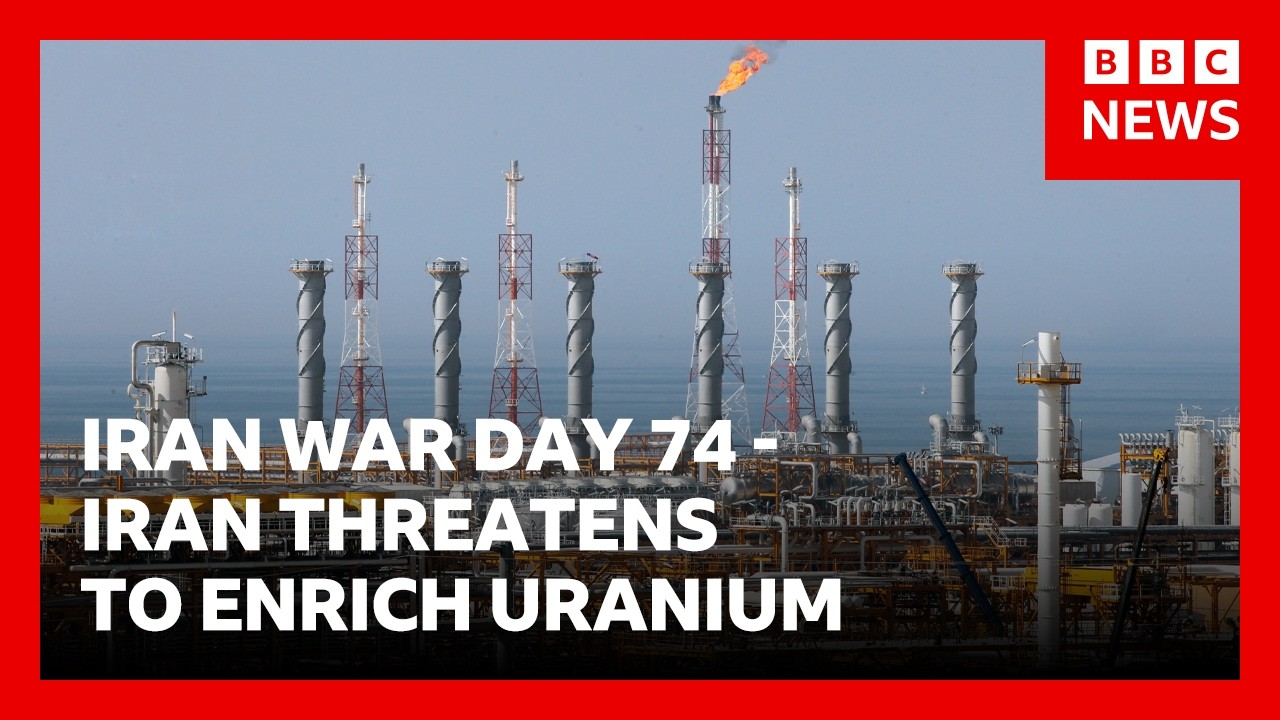
The Escalating Tensions: Day 74 of the US-Israel War with Iran
As we approach the 74th day of the US-Israel war with Iran, the geopolitical landscape remains fraught with tension and tumult. Defense Secretary Pete Hexith faced Congress recently, responding to mounting concerns over the skyrocketing costs of the war, which the Pentagon estimates have spiraled to nearly $29 billion. The financial implications are considerable, particularly for American taxpayers feeling the pinch from rising inflation.
Hexith defended these expenditures in light of the goal: stopping Iran from developing nuclear weapons. However, the conversation among lawmakers has shifted from abstract military objectives to hard financial realities. Both Democrat and Republican representatives voiced their worries about the longevity of the conflict, which could necessitate an extended military presence in the region.
The discussion around military and financial costs comes at a pivotal moment, coinciding with President Trump’s upcoming high-stakes summit in China with President Xi Jinping. Although the primary agenda for the meeting wasn’t initially intended to focus on the Iran situation, recent developments have compelled it to the forefront. The expectation is that Trump will seek Xi’s influence to push Iran toward the negotiating table. China’s economic ties with Iran are substantial, adding complexity to the dynamics of this international standoff.
Iran’s Nuclear Threats Heightened
Tensions escalated further when an Iranian official suggested an acceleration of Iran’s nuclear weapons program should hostilities resume. This stark warning underscores the precarious balance of power and the potential for rapid escalation. In recent statements, Iranian lawmakers have not shied away from inflammatory rhetoric, emphasizing that aggressive actions against Iran could result in the country enriching uranium to weapon-grade levels.
The Iranian government is also navigating internal challenges. Reports indicate that thousands of Iranian workers have lost their jobs amid rising inflation, which has led to soaring prices for essential goods. This economic distress is exacerbated by a regime that continues to suppress dissent with increasing severity, as evidenced by recent death sentences for protesters involved in earlier demonstrations.
The Human Cost of Conflict
Inside Iran, life for ordinary citizens grows increasingly untenable. Many struggle to afford basics such as bread and meat, with prices rising by up to 150% in recent months. As protests against the regime unfold, government crackdowns have intensified. Over the past two months, reports indicate that approximately 30 political prisoners, many of whom participated in protests, have been executed.
The Iranian government appears to project an image of strength externally while grappling with internal unrest. The ruling regime is clearly worried about the prospect of uprisings and is willing to resort to extreme measures to maintain control.
Global Military Maneuvers and Strategic Considerations
On the international front, the UK has announced its intention to deploy drones, jets, and a warship as part of multinational efforts to secure the Strait of Hormuz, a crucial waterway for global oil and gas transport. The closure of this vital route due to ongoing tensions poses a substantial risk to economies worldwide.
However, analysts note that the UK’s military engagement is predicated on a resolution to the current conflict. Existing diplomatic channels have yielded little progress, with proposals floundering. There is a palpable fear that if talks do not lead to a breakthrough, the war might escalate again.
Conclusion
As the US, Israel, and Iran navigate this complicated web of diplomatic maneuvering, military expenditures, and internal strife, the stakes continue to rise. With ordinary Americans reflecting on the implications of a war that has already cost billions, and with Iranian citizens facing severe economic hardship, the need for a diplomatic resolution has never been more pressing. The coming days, particularly with the forthcoming summit in China, will be critical in determining the future trajectory of this conflict. As it stands, the shadow of war looms large, and the potential for both regional and global ramifications remains an ever-foreboding prospect.