Rising Tensions: The Middle East on the Brink of War
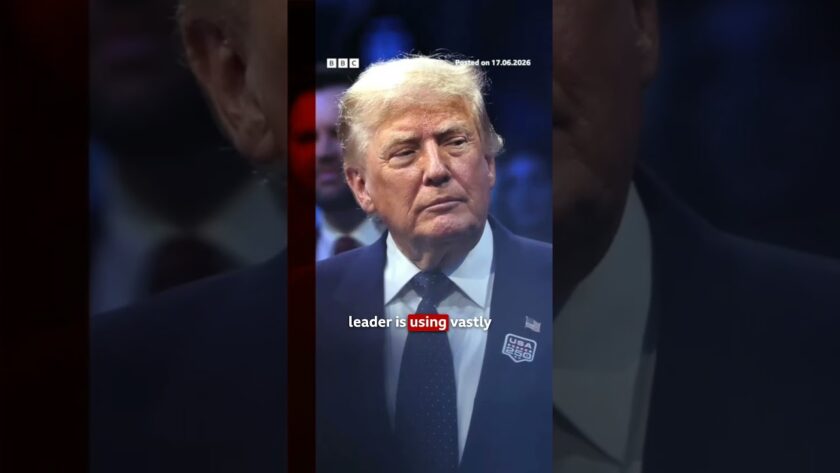
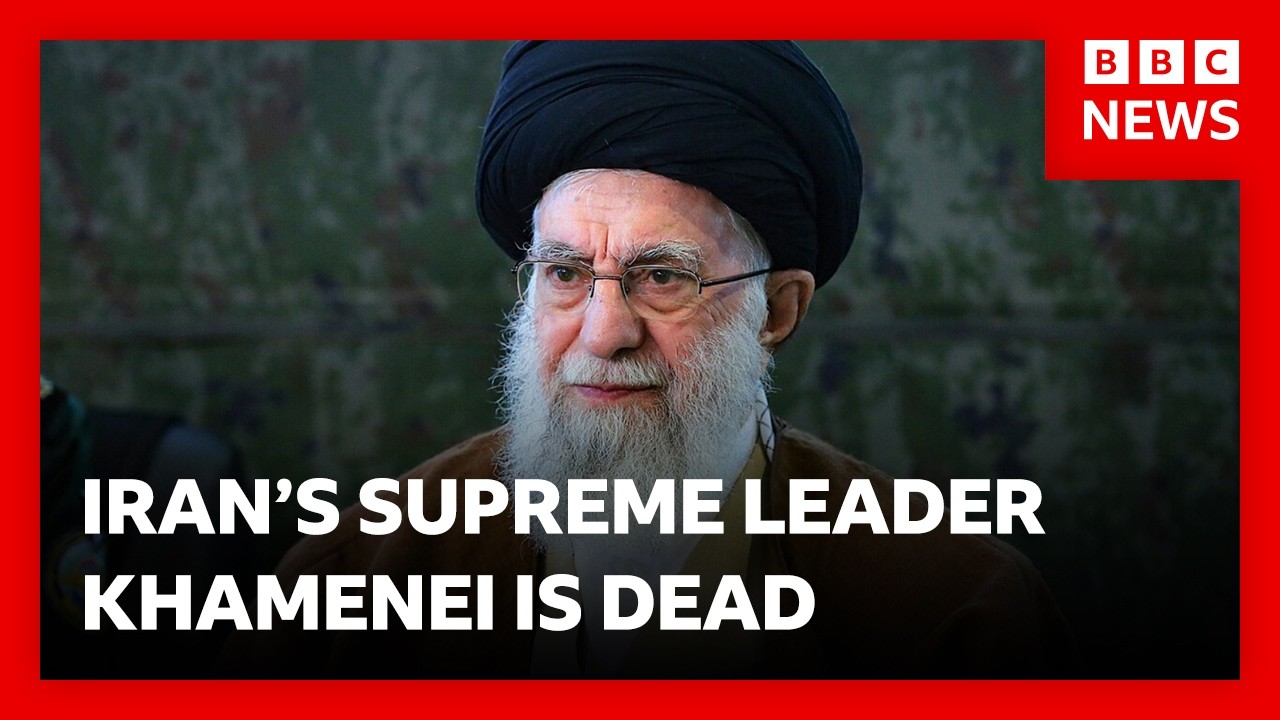
In a dramatic escalation of violence, reports have emerged suggesting the death of Iran’s Supreme Leader, Ayatollah Ali Khamenei. U.S. President Donald Trump announced this seismic event, claiming it as a pivotal moment for the Iranian people. "Now is the time to overthrow the regime," he urged, addressing the citizens of Iran. This alarming declaration comes amid a backdrop of intense air strikes launched by U.S. and Israeli forces targeting key installations across Iran, a campaign Trump refers to as "epic fury."
The Iranian response has been equally aggressive, with missile strikes reported throughout the Gulf region, including residential areas. In Dubai, a large hotel was struck, generating widespread panic among residents and tourists alike. Within the context of this volatile situation, live footage from Tel Aviv showcases the ongoing barrage of Iranian missiles, further heightening fears of an all-out conflict in a region already riddled with instability.
Tonight, analysts are grappling with the implications of these developments. If Khamenei’s death is confirmed, experts suggest it could undermine the Islamic regime’s cohesion, described by some as a "superglue" keeping the system intact. Israeli Prime Minister Benjamin Netanyahu stated that Khamenei was killed in a decisive strike on his compound in Tehran, marking a potential turning point after over three decades of his leadership, during which he relentlessly sought to eliminate the state of Israel.
Despite assertions from U.S. intelligence that the strike was successful, Iranian officials have adamantly rejected the claims, stating Khamenei remains "safe and sound." The information blackout regarding the strikes and their outcomes complicates the quest for clarity in the unfolding crisis. Satellite images show destruction around Khamenei’s compound, while unverified reports of civilian casualties, including instances where missiles hit schools, add to the anxiety felt throughout the region.
As the conflict escalates, it has been met with mixed reactions among ordinary Iranians, many of whom have long suffered under Khamenei’s regime. While there have been reports of citizens celebrating the possibility of regime change, the overwhelming sentiment remains one of fear and uncertainty. As protests against government brutality and economic instability continue to simmer, it remains to be seen whether the Iranian populace will seize this moment to challenge their leadership.
Furthermore, Trump’s emphatic declaration of "the single greatest chance for Iranians to take back their country" raises questions about the efficacy of U.S. military intervention. Traditionally, American regime-change efforts have resulted in tumultuous outcomes, as witnessed in Iraq following Saddam Hussein’s ousting. The current administration claims to have learned from past mistakes, aspiring to achieve a shift in power through air strikes without ground invasions.
The situation, however, is further complicated by Iran’s strategic military posture. As it continues to retaliate against U.S. assets in the region, Iran’s leaders face crucial calculations on how to withstand the assault and its ramifications. In the face of this aggressive military posture, the likelihood of further escalated violence seems increasingly probable.
Internationally, the crisis has prompted emergency meetings at the United Nations, where Secretary General Antonio Guterres has reiterated the potential for "uncontrollable consequences" stemming from these military actions. The U.K. has distanced itself from the strikes, emphasizing its commitment to defensive support for allies rather than direct involvement in the assault.
While the U.S. military has amassed a considerable presence in the region over recent months, the balance of power remains precarious. Despite significant advantages in firefighting capabilities, the regime’s resilience over decades of confrontation challenges the assumption that a swift outcome is achievable.
As the dust settles on a day marked by violence and uncertainty, ordinary Iranians are left to ponder their future. Caught between an aggressive foreign policy and a repressive domestic regime, they find themselves at a crossroads. The struggle for change is fraught with peril, and the consequences of these military actions will resonate far beyond the battlefields of the Middle East. The coming days and weeks will be crucial in determining not just the fate of Iran, but the very stability of the region as a whole.