Analyzing the LaGuardia Incident: Insights from a Pilot’s Perspective
A recent incident at LaGuardia Airport has drawn significant attention, especially with the unfolding narrative surrounding the actions of the pilots involved. Aaron Murphy, a commercial pilot and flight instructor at U Fly in Canada, provides valuable insights into the complexities of flight operations and the critical moments that define safety in aviation.
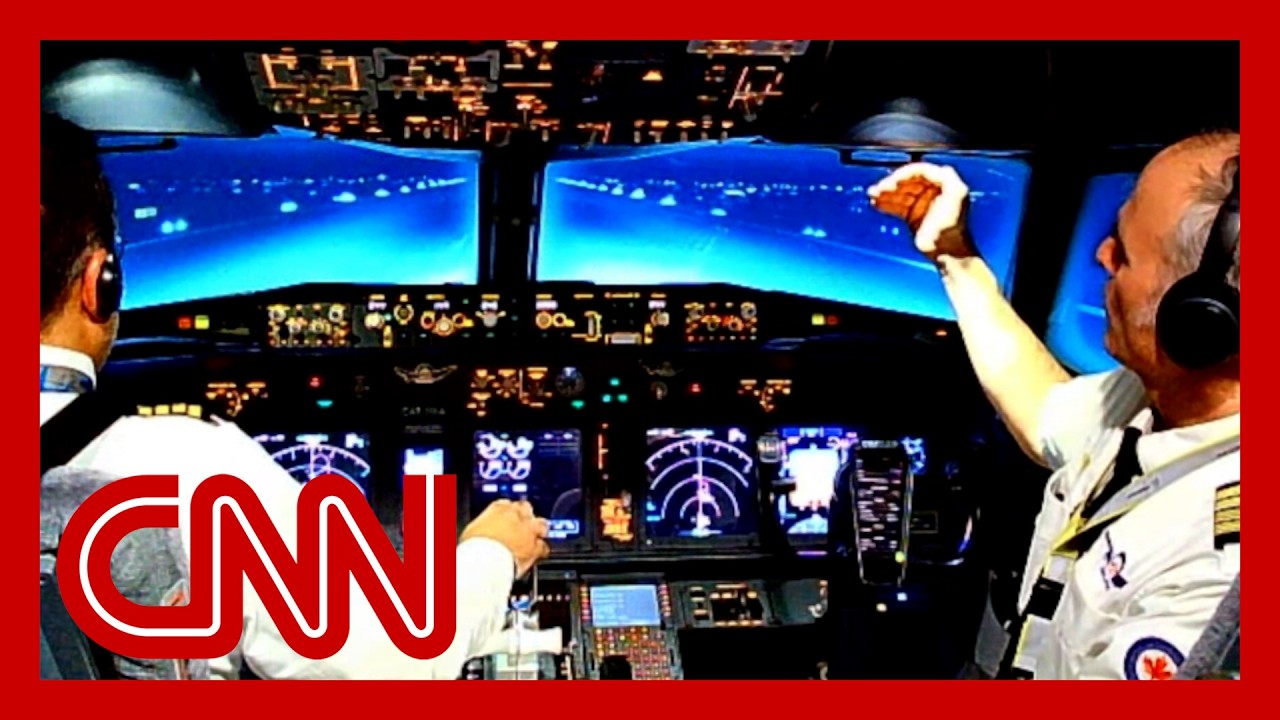
On the night of the incident, the pilots faced a perfect storm of challenges—poor visibility due to rain, low cloud cover, and turbulence during their approach. As Murphy notes, such conditions can severely impair a pilot’s ability to navigate safely. "The visibility was about 4 or 5 miles, and we had wipers going," he commented while operating a flight simulator, echoing the real-world scenario that unfolded.
The aircraft was on its final approach to LaGuardia, and just as they crossed the runway threshold, a fire truck unexpectedly emerged in their path. According to Murphy, the situation was dire. “I think the pilots may have seen it at the last second." As the aircraft struck the fire truck, it was evident that the pilots were doing everything they could within those final milliseconds to mitigate the disaster, despite knowing that the outcome would be catastrophic for themselves.
Murphy emphasized the urgency of reacting in such moments, where even the most sophisticated anti-skid braking systems may falter on a wet runway. The pilots were likely applying the brakes aggressively. However, the physics of the situation were unforgiving. “On a wet runway, even with all the best systems in place, sometimes you simply cannot stop,” he explained. The momentum of the aircraft at over 100 miles per hour posed a monumental challenge that required the pilots to act swiftly in a life-threatening situation.
Among the larger discussions surrounding the incident, Murphy proposed an idea that could significantly enhance safety: the implementation of a ‘red flag’ protocol for emergency situations. “When there is an emergency vehicle on the runway, all incoming flights should be redirected to a missed approach.” This proactive approach could prevent future tragedies similar to this one, where aircraft collide with emergency responders at critical moments.
The response from emergency services, as Murphy pointed out, was commendable. “My deepest condolences to Antoine, Mackenzie, and their families,” he said, expressing solidarity with the victims. The acknowledgement of the emergency responders plays a crucial role in understanding the layered dynamics of such incidents. Their presence during emergencies is essential, but coordination must be improved to prevent conflicts on the airfield.
Passenger Rebecca Liquori, who experienced the terrifying moments inside the aircraft, shared her perspective. Her recounting of events highlights the human aspect of aviation safety. “I’m just grateful to be alive,” she said, reflecting on the instinctual responses of the flight crew that may have saved numerous lives that night. Despite the chaos and fear, she praised the pilots for their quick actions which lessened the force of impact.
As the surveillance footage reveals the moment of collision, both Murphy and Liquori’s experiences serve to underline the unsettling reality of such incidents. While pilots are often seen as heroes under extraordinary circumstances, their training and decision-making processes are vital in minimizing danger. “They did everything they could,” Liquori affirmed, recognizing the gravity faced by the flight crew.
In the aftermath of this incident, it is imperative that stakeholders in the aviation industry reassess operational protocols, particularly in emergency situations. While technology continually advances, the human element remains irreplaceable, serving as both the linchpin and the safety net of air travel. As we dissect this harrowing event, it lays the groundwork for future improvements, honoring both the memory of those lost and the bravery of those who fought for safety against all odds.
Conclusion
This incident stands as a testament to the complexities and vulnerabilities inherent in aviation. As professionals like Aaron Murphy endeavor to educate and inform, the collective experiences of those involved reveal the need for ongoing dialogue and strategic interventions in flight safety. The lessons learned from such tragedies not only influence future regulations but also honor the lives impacted by events on the runway.