Mysterious Murder in Cabbagetown Raises Alarming Questions
Over the weekend, a shocking incident in Cabbagetown has sent ripples of concern through the Toronto community. A person was discovered dead in a garage, located off a laneway near the intersection of Dundas and Seaton Streets. Authorities reported the discovery at approximately 9:30 a.m. on Saturday, revealing that the victim had suffered traumatic injuries and was sadly pronounced dead at the scene.
The initial investigation identified the victim as a woman, but subsequent information has resulted in a revision of this classification; the victim is now identified as male. This change emphasizes the evolving nature of the investigation, highlighting the complexities faced by law enforcement in identifying victims and gathering reliable data.
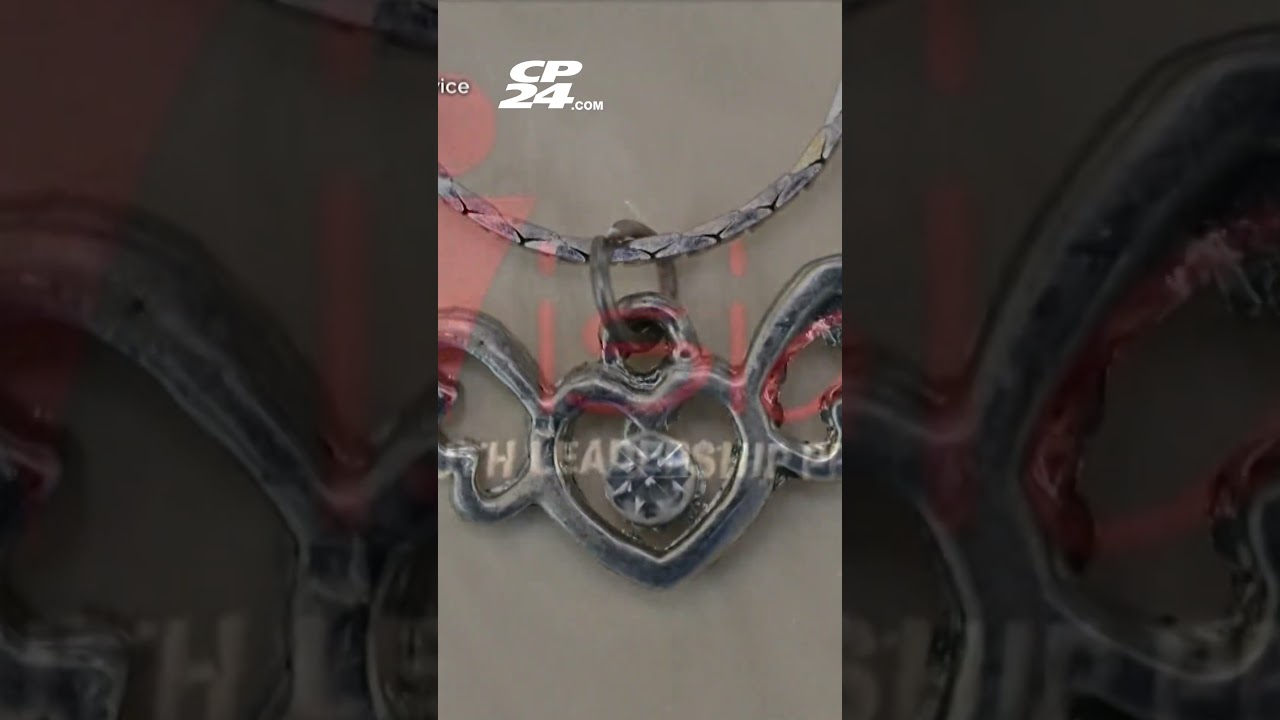
Tragic circumstances, such as these, provoke questions and generate concern, not just among the community, but also across the broader public. The police have since taken measures to solicit assistance from the public. They released images of several personal items connected to the victim to aid in identification. Among these items is a silver necklace featuring a heart-shaped pendant adorned with wings and a single clear stone at its center. Additionally, a black jacket showcasing the emblem of the Vision Youth Leaders Program has been made public. These details, while seemingly minor, may hold the key to uncovering the individual’s identity.
The victim is described as approximately 5 feet 6 inches tall with a medium build, dark hair, and dark eyes, and is possibly of Asian descent. This description adds another layer of urgency to the investigation, as detectives strive to connect the dots and shed light on this tragic event.
Community members and local leaders are understandably shaken by this development. Given Cabbagetown’s reputation as a vibrant neighborhood, this incident raises broader societal issues of violence and safety. With crime rates fluctuating in various urban areas, incidents like this can contribute to a climate of fear, complicating community dynamics and relationships among residents.
As investigators delve deeper into the victim’s background, they are calling upon anyone who may recognize the aforementioned items or who may have any information related to the case. The police’s outreach indicates a proactive approach to gathering intelligence, as community involvement is often crucial in solving cases of this nature.
Public engagement is vital, especially in urban environments where anonymity can sometimes bolster criminal activities. A unified community response can create a collective resilience, making neighborhoods safer and more supportive. Furthermore, this incident underscores the importance of vigilance within communities. Each resident plays a role in the fabric of neighborhood safety, and actively participating in public safety efforts can lead to a more secure environment for all.
While the focus remains on identifying the victim and uncovering the circumstances surrounding this tragic event, it is important for the community to come together in support. Victims of violence are not merely statistics; they are individuals with stories, aspirations, and connections to their families and communities. In moments like these, compassion must prevail over fear.
As the investigation unfolds, there lies an opportunity for reflection regarding the environment surrounding violent crimes in urban settings. How can communities better support one another? What proactive measures can be implemented to prevent such tragedies? This incident serves as a reminder of the complexities and vulnerabilities inherent in urban living.
In Cabbagetown, as in cities worldwide, the hope is that together, through collective effort and vigilance, people can thwart violence and foster a community defined not by fear but by solidarity. The challenge now lies in uncovering the truth behind this murder and ensuring justice is served.