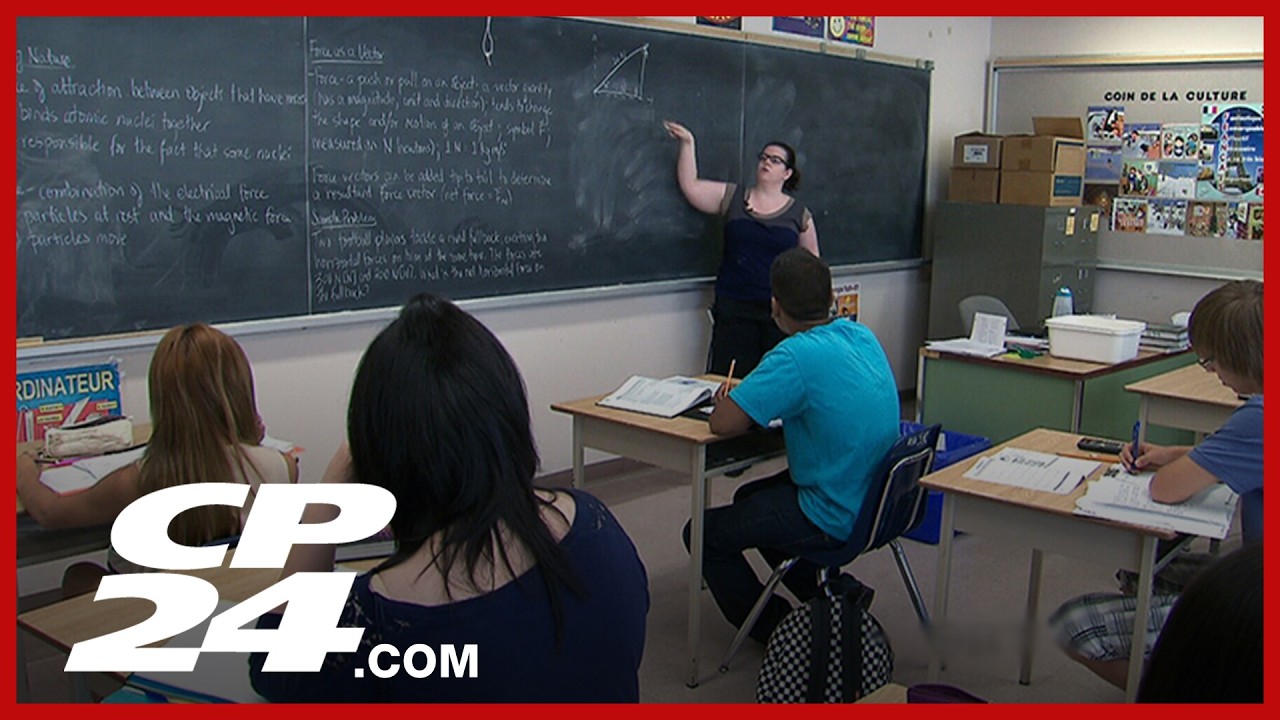
Petition Launched to Restore International Languages Program in Toronto Schools
In a significant move to preserve cultural diversity and educational opportunities, a new petition has emerged, urging the province of Ontario to reverse recent cuts to the international languages program in schools. The online petition, hosted on Change.org, has already amassed over 800 signatures. Spearheaded by Maria Rizzo, a Trustee with the Toronto Catholic District School Board (TCDSB), this initiative aims to protect an essential resource for thousands of students.
The backdrop to this petition is sobering. Earlier this year, a provincially appointed supervisor overseeing the TCDSB announced a controversial plan to phase out weekday international language programming for the upcoming school year. This decision is part of a broader strategy targeting the board’s substantial deficit. While financial accountability is vital, the implications of such cuts raise pressing questions about the loss of important educational programs that foster cultural understanding and linguistic skills.
The international languages program has long served as a bridge for students from diverse backgrounds, allowing them to maintain and develop their native languages while integrating into the Canadian educational system. In a multicultural society like Canada, such programs are not merely beneficial; they are essential for fostering inclusivity and understanding. By learning international languages, students gain insights into different cultures, enhancing their educational experience.
In Rizzo’s view, the proposed elimination of these programs would deny numerous students access to crucial resources that not only enrich their academic profiles but also promote multiculturalism within the school community. “This program is vital for our children,” she stated. “It helps them understand their heritage while preparing them for a globalized world.” The urgency of her message resonates with many parents and educators who view the program as an invaluable part of their children’s education.
As discussions unfold regarding the cuts, community voices are growing louder. Many parents, students, and advocates of multicultural education express strong opposition to the decision. They argue that stripping away language programs disproportionately affects families from immigrant backgrounds, ultimately hindering their children’s educational growth and cultural identity. The program has offered a valuable avenue for students to connect with their roots, making the recent decision all the more contentious.
Critics of the decision highlight the broader implications beyond just the academic realm. Language is a key element of cultural identity; it shapes how individuals view themselves and their place in the world. By dismantling the international languages program, the board risks alienating those who rely on it to navigate their dual identities: as both Canadians and members of their respective cultural communities.
The petition reflects a growing concern among stakeholders. With its current momentum, it serves not only as a call to action but also as a reminder of the importance of inclusivity in education. If the petition garners sufficient support, it could prompt discussions at higher levels, encouraging policymakers to reconsider the fiscal strategies that led to the decision.
Furthermore, community engagement is essential in these matters. The conversation should expand beyond the immediate implications of the cuts. It should include dialogues about sustainable funding models that prioritize the educational needs of diverse populations. Collaborating with community organizations, engaging with parents, and listening to students can pave the way for creative solutions that balance fiscal responsibility with educational integrity.
In conclusion, the push to restore the international languages program underscores a critical intersection of education, culture, and community. As the petition continues to gather support, it raises vital questions about the values we uphold in our educational systems. Will Ontario choose to prioritize financial cuts over cultural and linguistic education? The answer may very well shape the future of the province’s commitment to inclusivity and diversity. As the momentum builds, it is imperative for all stakeholders to engage in meaningful dialogue, ensuring that every child has access to the educational resources they deserve.