Hantavirus Outbreak: MV Hondius Passengers Begin Disembarkation Process in Canary Islands
A significant public health operation commenced as passengers began to disembark from the MV Hondius, the cruise ship embroiled in a hantavirus outbreak, currently anchored at the Port of Grenada in the Canary Islands. Amidst the ongoing concerns over infectious diseases in the wake of the COVID-19 pandemic, this meticulously coordinated operation emphasizes safety and preparedness.
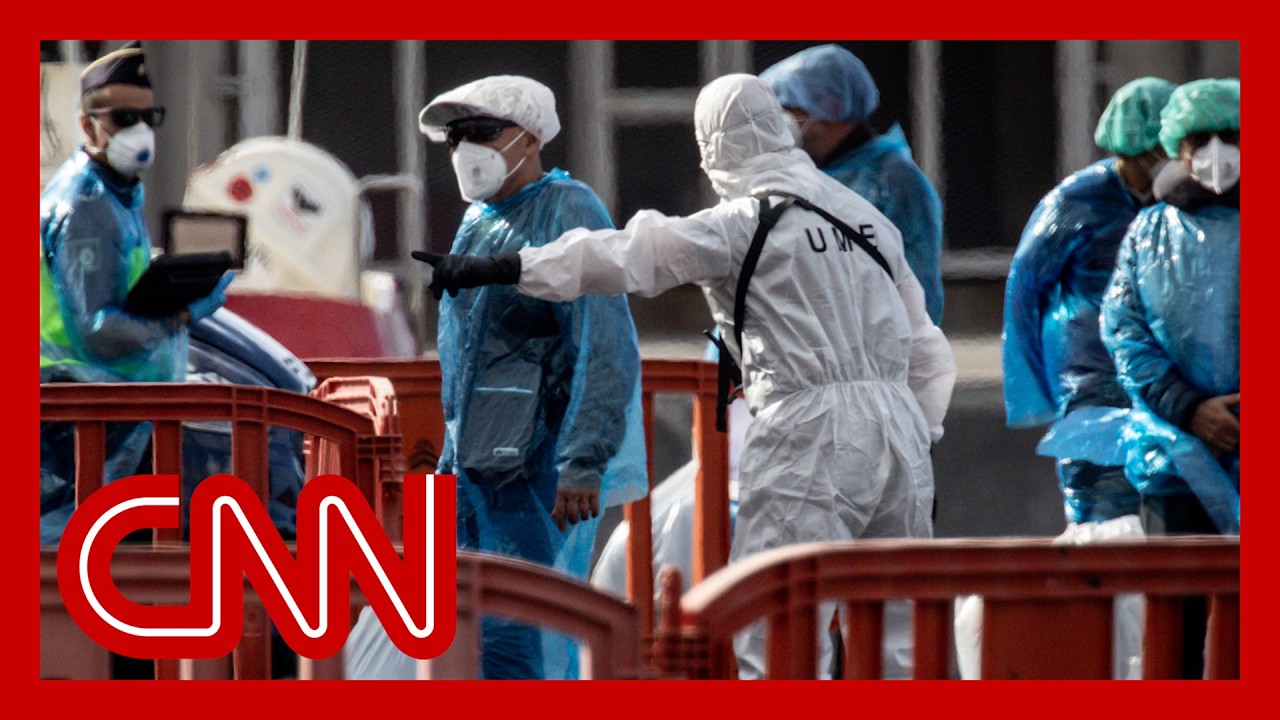
The disembarkation process is structured to prioritize the well-being of passengers, who are being escorted off the ship in small groups based on their home countries. Authorities have organized small boats to transport passengers ashore, where they will undergo a thorough screening process. Fortunately, at present, no passengers or crew members exhibit symptoms of the virus, which is a positive sign amidst the ongoing health crisis.
U.S. health officials from the Centers for Disease Control (CDC) are set to oversee the return of 17 Americans from the ship. Although these individuals do not present any symptoms, they will be taken to a specialized facility in Nebraska for close monitoring, followed by a six-week self-monitoring period at home. This level of vigilance reflects the ongoing lessons learned from previous health crises, emphasizing preparedness in handling potential outbreaks.
CNN’s Melissa Bell reported from Tenerife on the unfolding situation this morning, detailing the organized evacuation efforts. Initial batches of passengers, primarily from Spain, are being transferred to awaiting buses that will transport them to the airport for repatriation. The Spanish authorities have mandated a seven-day quarantine in a military hospital for these passengers, with stringent protocols in place to monitor their health.
While this phase signals the end of a prolonged ordeal for those on board, the uncertainty surrounding their health and that of their fellow citizens persists. Passengers, who have been confined to the ship for over five weeks since the onset of the outbreak, face an ongoing isolating experience albeit with a glimmer of relief upon disembarking.
Concerns regarding the outbreak extend beyond individual passengers to the broader implications for global public health. Dr. Scott Miscavige, CEO of Premier Medical Group USA, expressed concerns about the U.S. response during the disembarkation proceedings. He noted the absence of the CDC’s involvement earlier in the crisis as an area of concern, questioning if the U.S. has become more vulnerable due to budget cuts and reduced international presence in disease surveillance.
The complex nature of modern infectious disease management hinges on collaboration among nations. Dr. Miscavige emphasized that the meticulous measures being taken now showcase the lessons learned since the onset of COVID-19. However, he pointed out a clear gap in the United States’ preparedness and response capabilities when facing emerging global health threats.
As the operation to repatriate passengers unfolds, the concern remains: how effectively will health authorities manage potential secondary transmissions? The protocol for returning Americans, including comprehensive health evaluations and potential quarantines, seeks to mitigate risk. The Nebraska facility, specifically designed for such instances, offers an equipped environment conducive to both comfort and safety for those under observation.
The facility is nationally designated for monitoring and includes specialized rooms designed to contain infectious agents, ensuring the safety of both patients and healthcare workers. Patients can expect to engage in daily activities while being closely monitored for any developing symptoms. In the event of symptomatic occurrences, on-site personnel are well-prepared to provide appropriate medical interventions, drawing experience from previous contagious disease management.
Ultimately, the risk of widespread transmission to the general public appears minimal at this juncture. Hantavirus typically requires close contact with symptomatic individuals for transmission, limiting its spread compared to other viruses like COVID-19. Thus, while the disease poses significant health risks, the public health infrastructure currently in place aims to safeguard against an outbreak.
As this complex public health operation continues to unfold, the diligence displayed underlines the necessity of preparedness in navigating emerging infectious threats. The situation aboard the MV Hondius serves as a critical case study for future health responses, urging international collaboration and resource allocation to effectively manage and contain outbreaks.