Escalation in the Middle East: Israel’s Preemptive Strike Against Iran
In a significant and alarming development, Israel’s defense minister has announced a preemptive military strike against Iran, a decision that has sent ripples of concern throughout the region and beyond. This operation follows a state of emergency declared across Israel and marks an extensive closure of airspace over Iran. The timing of the attack coincides with heightened tensions and is reportedly supported by the United States, which has been positioning military assets in the region for some time.
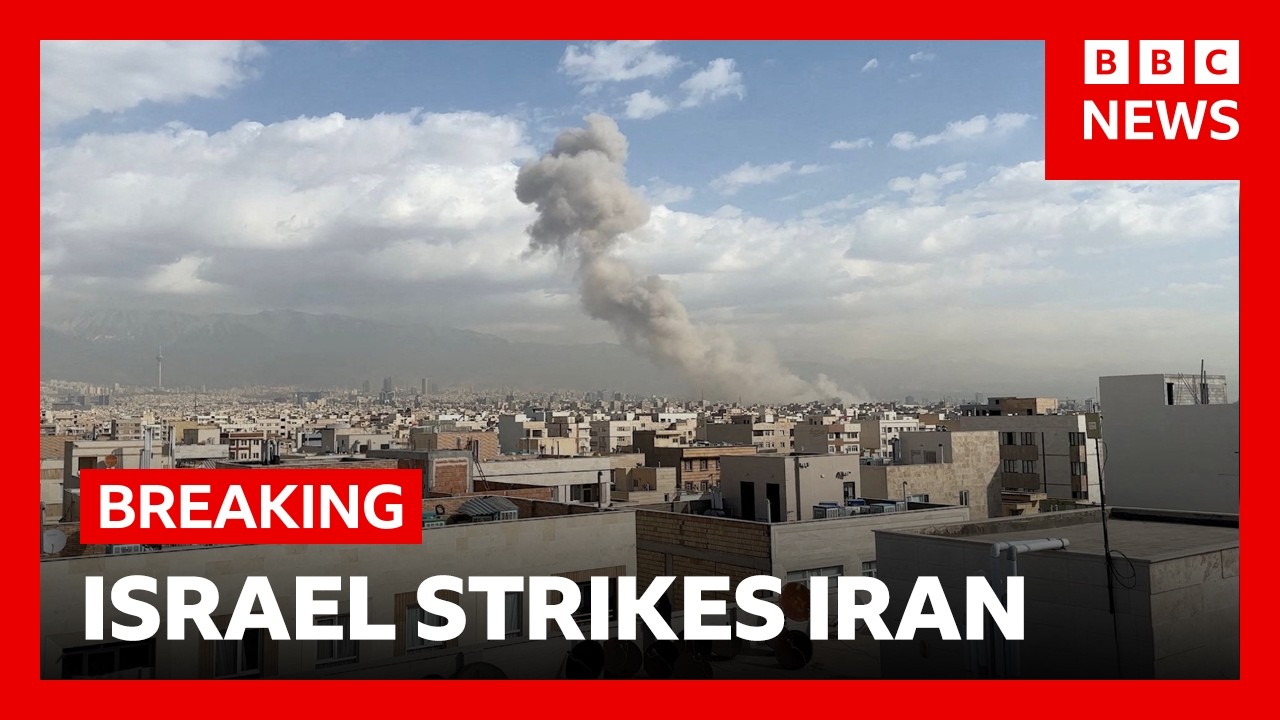
Initial reports suggest that the strike has targeted key locations in Tehran, including areas near the Office of the Supreme Leader and other vital governmental sites. Eyewitness accounts describe smoke billowing from buildings in the capital, with frightened residents fleeing in panic. Meanwhile, significant strikes have also been reported at Medabad Airport, located just outside Tehran.
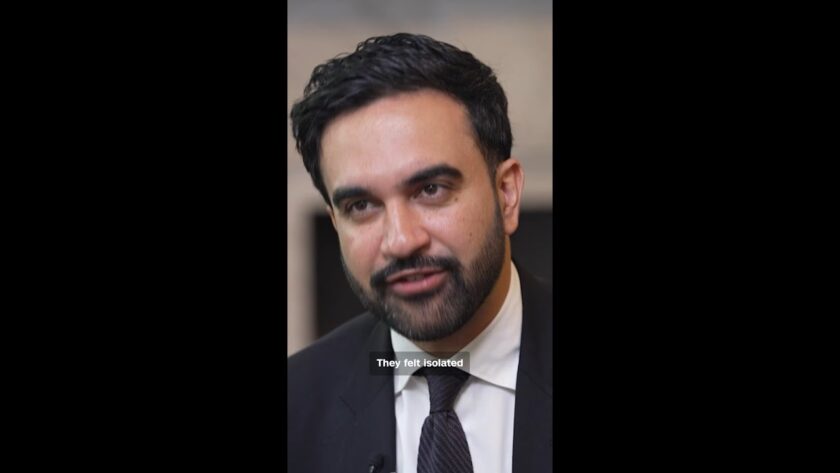
The broader context surrounding this military action reveals a fraught political landscape. U.S. President Trump’s administration had been engaged in negotiations concerning Iran’s nuclear program, but the recent military offensive raises questions about the viability of diplomacy in the face of aggression. Ali VZ, Director of the Iran Project at the International Crisis Group, commented that this sudden shift in strategy severely undermines the credibility of the United States as a negotiating partner. Diplomacy, once heralded as a path to peace, now appears to have been a façade for impending military action.
The question arises: what are the strategic objectives behind this military escalation? Some analysts argue that it defies logic to frame the action as a preventative measure. Following an earlier conflict in June 2025, U.S. officials had claimed that Iran’s nuclear capabilities had been crippled, prompting skepticism regarding the need for renewed military intervention. The apparent aim, it seems, is to dismantle the Iranian regime entirely, targeting not just military installations but the very core of governmental authority.
The Iranian government, well aware of the looming threat, is preparing for retaliation. Unlike previous years where their responses were measured, the current climate suggests a much fiercer approach may be imminent. Iranian leadership is likely motivated by a desire to counter any perception of weakness and assert their military resolve on the global stage. This sets a precarious stage for potential conflict escalation, with both sides bracing for what could devolve into a larger regional confrontation.
Iran’s military response is expected to involve ballistic missile attacks targeting Israeli assets and possibly extending to U.S. military bases positioned across the region. In past conflicts, Iranian forces have executed swift retaliatory strikes, and this situation promises to mirror that aggression. Observers note that if Iran perceives this as a direct existential threat, the repercussions could extend far beyond Israel’s borders, ensnaring the region in a complex web of warfare.
The implications of such an escalation cannot be understated. While immediate military objectives might center around degrading Iran’s nuclear capabilities and missile programs, the long-term consequences for regional stability are daunting. History has shown that military interventions often sow the seeds of further conflict, radicalization, and instability.
In Israel, the public is braced for potential fallout. Sirens have sounded in multiple cities, indicating an expectation of retaliation from Iran. Preparations for emergencies are underway, with hospitals and public services taking heightened precautions. As tensions rise, so too does the fear of civilian casualties and the broader humanitarian implications of a renewed conflict.
Ultimately, this preemptive strike emerges from a backdrop of complicated political maneuvering, where the lines between diplomacy and military action have become increasingly blurred. The lack of a well-defined strategy raises questions about the long-term objectives of such aggressions, particularly in a landscape as volatile as that of the Middle East.
As both sides prepare for inevitable clashes, the international community watches closely, aware that a miscalculation could set off a cycle of violence with catastrophic consequences for millions. In the coming days, the world will be keenly observing the dynamics between these long-adversarial nations, hoping for de-escalation while bracing for the potential of deeper conflict.