The Taliban’s Governance and Its Impact on Afghan Society
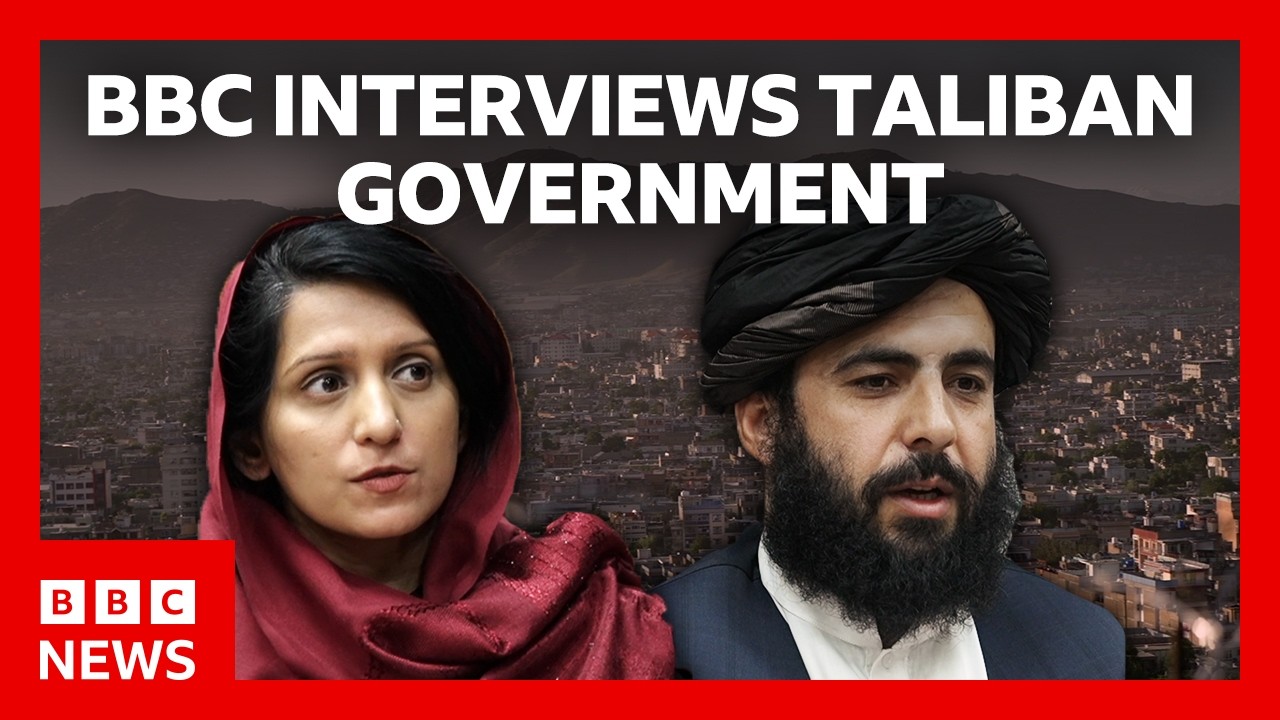
Nearly five years have elapsed since the Taliban regained control over Afghanistan, establishing what they term the Islamic Emirate. The effects of their governance reveal a complex tapestry of policies that directly impact the lives of the Afghan people. An interview with Deputy Spokesman Abdullah Fitrat sheds light on the Taliban’s perspectives regarding both domestic and international issues, including their contentious relations with Pakistan and the humanitarian crisis facing Afghanistan.
Fitrat maintains that negotiations with Pakistan remain open, though progress has stalled since the last meeting in Urumqi, China. He frames the dialogue as an opportunity for resolving ongoing conflicts, despite acknowledging that some of Pakistan’s demands are unrealistic. For instance, the Taliban rejects Pakistan’s assertion that Afghanistan bears responsibility for security threats emanating from its territory. “Our position is clear: Afghanistan will not be a threat to others,” he asserts.
The hostility between the two nations has escalated, particularly following claims from Pakistan that the Taliban supports the Tehrik-i-Taliban Pakistan (TTP) in launching attacks against Pakistani forces. Fitrat refutes these allegations, claiming they are “untrue” and that the TTP operates solely within Pakistan.
One of the most harrowing facets of Taliban rule is the persistent humanitarian crisis, a reality that the Deputy Spokesman did not gloss over. Afghanistan ranks among the most impoverished nations globally. Fitrat attributes this to two decades of foreign military presence, which he argues created an "artificial economy." He speaks to efforts made by the Taliban to improve conditions, highlighting an increase in trade and economic projects aimed at poverty alleviation. Despite reporting a 4% growth in the economy, he confronts the stark reality of widespread hunger, stating, “humanitarian assistance should not be used as a political tool.”
Critics, however, question the Taliban’s commitment to genuine reforms, particularly in relation to the rights and education of women. The government has faced backlash for its bans on women’s education beyond sixth grade, which pose significant obstacles to women’s roles in medicine and other professions. Fitrat argues that around 7 million boys and 5 million girls are currently studying, but when pressed on the implications of education restrictions, he defers responsibility to the Ministry of Education.
The Deputy Spokesman is assertive about the Taliban’s efforts to provide job opportunities, noting that 250,000 positions have been created in the mining sector alone. Yet, the palpable discontent among citizens remains evident, with many sending out desperate pleas for assistance and lamenting their inability to find consistent work.
In discussing future relations with the international community, Fitrat acknowledges the complex dynamics of external recognition and sanctions that continue to hinder humanitarian support. “We need to walk forward as well towards the international community,” he notes, highlighting the paradox of receiving aid against a backdrop of stringent policies.
Fitrat’s insights extend to regional geopolitics. He details Afghanistan’s strengthening ties with India, a development that has sparked tensions with Pakistan. "It’s our right to develop these relations," he states, dismissing any external criticism as interference. The broader implications of such partnerships remain uncertain, but they signal a potential shift in regional alliances.
Moreover, the Taliban’s strategic pivot away from reliance on Pakistan for trade is noteworthy. The regime has sought alternative routes, notably through Iran, to stabilize food prices and maintain supply chains, despite challenges posed by geopolitical instability in the region.
As the international community watches closely, the Taliban’s policies continue to exert profound influences on Afghan society. While some claims of economic growth and reform echo within official narratives, the lived experiences of ordinary Afghans tell a different story—one marked by struggle, uncertainty, and a fierce quest for survival. The Taliban’s commitment to achieving stability and prosperity is yet to be fully realized, and the road ahead remains fraught with challenges that will test both their governance and the resilience of the Afghan people.