Standing in Solidarity: The Movement Against Detention Centers and Inhumane Conditions
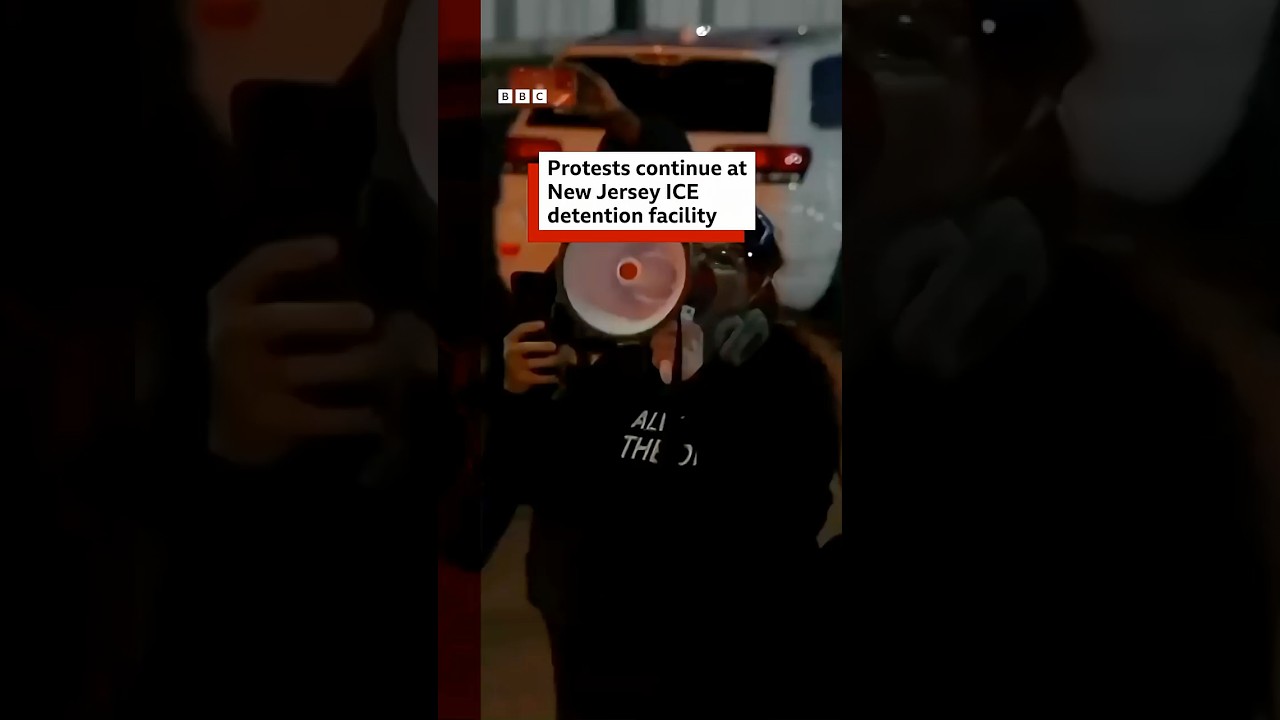
A half-mile from Delaney Hall, a private for-profit detention facility, a significant movement has emerged, spotlighting the troubling consequences of recent immigration policies. The detention center has become a critical flashpoint, particularly in the wake of reports detailing inhumane conditions that detainees endure. Their recent hunger and labor strikes have drawn attention not only from local communities but also from state lawmakers, who are now demanding transparency through full inspections of the facility.
The impassioned protests that have erupted around Delaney Hall reflect deep concerns over the treatment of individuals detained there. The protesters emphasize they are there in support of those inside, many of whom are subjected to conditions that many in society would find unacceptable. "We are here in solidarity," stated one protester. Their voices echo sentiments of frustration, reflecting a pervasive belief that First Amendment rights are under siege.
The emotional weight of this situation resonates strongly among protesters. "I feel heartbroken that I can’t do more," a demonstrator shared. Moments like these highlight not only the inherent pain of individual stories but the collective grief felt by a community that understands the wider implications of such policies. Disturbingly, reports of children dying in detention magnify their anguish and compel them to demand change.
The rhetoric surrounding these protests is powerful. As demonstrators gathered, they asserted their peaceful intentions; they are not violent rioters, nor do they wish to disrupt the peace. Rather, they believe it is imperative to assert their presence and speak out for those who cannot. "It is way, way past time for people to show up," one speaker proclaimed, motivating the crowd to continue their fight.
Every night, protesters gather outside Delaney Hall, where barricades have been erected to contain their demonstrations. As a curfew approaches, police presence tightens, and officers repeatedly urge the crowd to disperse. "It’s time to go. It’s time to go," they call out, steering demonstrators away from the facility. Yet, the resolve of the protesters remains unshaken; despite the challenges posed, they are committed to continuing their demonstrations in a show of unity with detainees inside.
The protests unfold under the watchful gaze of law enforcement, who have largely maintained a non-confrontational approach. While the police have had to manage the crowds, the protesters have responded in kind, making concerted efforts to avoid escalation. Still, the tension underscores a significant societal divide—a clash between those advocating for humane treatment of detainees and those who maintain the status quo.
What seems simple on the surface—protesting—actually invokes complex layers of moral and ethical considerations. These protests confront societal norms and challenge the foundations of policy that allow conditions like those at Delaney Hall to exist. What is happening here is not merely a moment of dissent; it is an awakening. It serves as a call to action, urging citizens and lawmakers alike to rethink their stance on immigration detention and the human costs associated with it.
As the curfew sets in, the voices may fade, but the spirit of this movement persists. With each demonstration, the hope for change grows stronger, fueled by stories of those who remain silent within walls that should never have confined them. The protesters outside Delaney Hall represent a broader desire for justice, humanity, and basic rights for all individuals, regardless of their immigration status.
This fight is not just about closing a facility or addressing policy; it’s about safeguarding dignity in the face of adversity. The community stands united, ready to ensure that those inside are not forgotten, that their plight is recognized, and that meaningful change becomes a reality. In doing so, they are not simply defending rights; they are advocating for the very principles upon which society should stand—compassion, justice, and humanity.