Todd Blanch: A Controversial Figure in the Justice Department
Todd Blanch stands as a polarizing figure in discussions surrounding the Justice Department (DOJ), particularly due to his ties to high-profile cases and his role under the Trump administration. With a background as a distinguished lawyer and federal prosecutor in New York, Blanch’s qualifications are indisputable. Yet, questions abound regarding his integrity and the motivations behind his legal maneuvers.
Blanch’s work, particularly concerning cases related to Donald Trump, has drawn significant scrutiny. Critics argue that his commitment to the former president’s interests often outweighs his duty to the nation. This concern is not unfounded, especially in light of the DOJ’s handling of sensitive files, including those related to Jeffrey Epstein, where Blanch played a key role. Pam Bondi, another figure in this unfolding narrative, hinted at Blanch’s involvement in a manner that led many to perceive it as a tacit confession of his close ties to the Epstein files. This speaks volumes regarding the inner workings of the DOJ during that period.
His tenure has essentially been characterized as one where personal interests clashed with national priorities. Notably, financial arrangements like a slush fund and tax settlements associated with the Trump family have raised alarms about potential conflicts of interest. Critics suggest that every time the nation’s interest was on one side of a legal decision, Blanch would side with Trump, as if he were an attorney in private practice rather than a public servant.
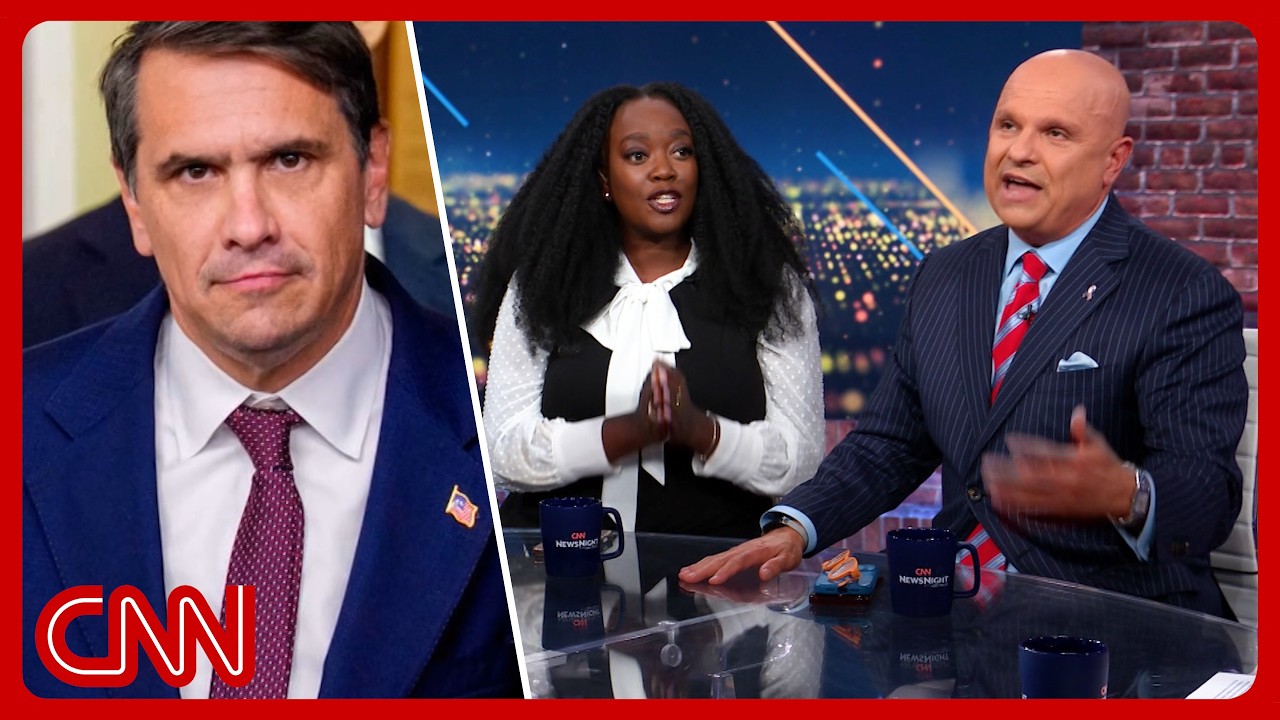
Moreover, the implications of Blanch’s approach to prosecution have garnered attention. For instance, recent comments made during appearances on various media platforms suggest a belief that the DOJ is being weaponized against Trump and his allies. This rhetoric feeds into a narrative that presents the former president as a target of politically motivated investigations, complicating any objective analyses of Blanch’s actions.
While some legal professionals grant Blanch credit for his knowledge of the law—particularly from his days as a prosecutor in New York—others contend that his application of this law raises ethical concerns. His actions, selected especially under the scrutiny of Congress, have primed the atmosphere for challenging confirmations and potential fallout. Bondi’s statements regarding Blanch’s handling of the Epstein files have laid a framework that might make it difficult for him to proceed without addressing character questions.
The ongoing dialogue about Blanch’s integrity is intensified by observations that his proximity to the executive branch might lead him to compromise his ethical standards. For instance, discussions surrounding his meetings with Ghislaine Maxwell, who was deeply entrenched in the Epstein scandal, cast a long shadow over his actions. Critics posit that the movement of high-profile inmates through the prison system often comes with strings attached, suggesting a quid pro quo arrangement that could indicate deeper ethical violations.
The political landscape is further complicated by the notion that Blanch is tasked with balancing the interests of the president alongside the fundamental obligations of the DOJ. As noted by various commentators and policymakers, the role of the attorney general is multifaceted and fraught with challenges. The question looms: Can Blanch navigate this intricate landscape while maintaining integrity?
Public sentiment about transparency remains an important context in this narrative. Critics, regardless of party affiliation, express disappointment with the handling of investigative processes under Trump’s administration, especially concerning sensitive subjects like the Epstein scandal. The inconsistency between Trump’s promises of transparency and the perceived obfuscation has raised alarms across the political spectrum.
In summary, Todd Blanch’s career reflects a complex interplay between legal expertise and ethical scrutiny within a deeply charged political environment. As he stands before Congress for potential confirmation, the weight of past actions and the implications for the future of the DOJ hang in the balance. His journey embodies not just the challenges of individual integrity in law, but also the broader questions of power dynamics and accountability within the justice system.