A Race Against Time: The Push for an Ebola Vaccine Amidst the DRC Outbreak
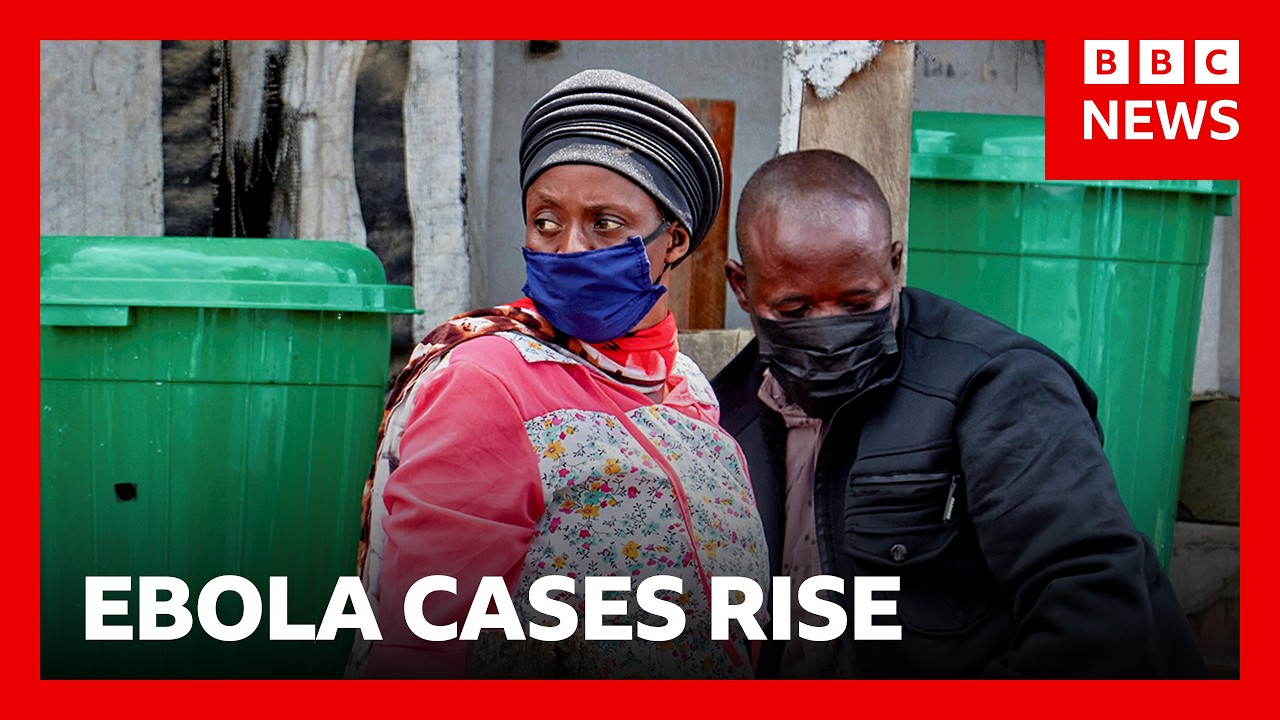
Recent developments from Oxford University have sparked hope in the ongoing combat against the Ebola outbreak in the Democratic Republic of Congo (DRC). Scientists there have announced progress on a new vaccine, poised to enter clinical trials within months. This initiative comes at a critical juncture, as the World Health Organization (WHO) has escalated its risk assessment of the outbreak to "very high," coinciding with alarming statistics from the region: 177 suspected deaths and 750 suspected cases. Given that the virus claims approximately one-third of those infected, the urgency to address this crisis cannot be overstated.
The complexities surrounding the outbreak are compounded by geographic and sociopolitical challenges. Several provinces in eastern Congo, already plagued by conflict, have reported rising cases of Ebola. Local authorities have been compelled to enact drastic measures, including banning funeral gatherings to mitigate the risk of transmission. This response was prompted by tragic incidents where grieving families set fire to hospital tents and medical supplies, reacting to health workers’ refusal to release bodies due to contamination fears.
In Kinshasa, the capital, citizens are keenly aware of the potential for Ebola to spread. Conversations reveal a palpable mix of fear and hope. A resident expressed concern: “If it reaches Kinshasa, people could die in large numbers because it’s spreading there due to precarious living conditions.” The unmaintained sanitation and crowded urban environments only add to the worry. Another echoed similar sentiments, saying, “Ebola is a virus that kills thousands of people. I don’t want it to come here.”
To confront the outbreak, Congolese authorities have introduced a multilayered strategy. This includes heightened surveillance at entry points and proactive community engagement aimed at educating the population about the virus. Nonetheless, these efforts face significant obstacles, primarily arising from historical distrust of medical workers within the communities. In this part of the world, health workers are sometimes viewed with skepticism, perceived not as protectors but as potential sources of outbreaks—a perspective fostered by previous experiences during past epidemics.
Adding to the challenges is the dilemma posed by cultural practices surrounding death and mourning. Traditional burial customs often involve close contact with the deceased, complicating health directives aimed at reducing transmission risks. Misunderstandings and misinformation have further strained relations between health professionals and community members. Incidents of violence against medical personnel, as witnessed recently with attacks on health workers, highlight the fragility of the situation.
Despite these challenges, a beacon of hope comes in the form of the new vaccine developed by Oxford University alongside the Serum Institute of India. Data suggests that clinical trials could commence within three months, but it remains crucial to understand the timeline for widespread vaccination. Current projections indicate that regulatory processes might push full rollout to a window of six to nine months after trials have commenced.
Dr. Anne Ramo, a professor of epidemiology at the UCLA Fielding School of Public Health, emphasizes the critical nature of the situation. “Very high national risk means that the fire is spreading in a place where it’s really hard to put out,” she explains. The prolonged outbreak has established multiple, unchecked transmission chains, making intervention increasingly challenging. The interconnectedness of communities within DRC further complicates containment efforts.
In summary, while the prospect of a new vaccine offers a potential lifeline, the ongoing outbreak in eastern Congo presents an array of challenges that cannot be understated. The sociopolitical dynamics, public distrust, and cultural practices around mortality all play crucial roles in the effectiveness of containment efforts. The clock is ticking, and the viability of health interventions alongside the anticipated vaccine could ultimately determine the trajectory of this devastating health crisis. Time will tell if hope can translate into action before Ebola spreads beyond control in this vulnerable region.