The Complex Reality of U.S.-Israeli-Iranian Relations
In the ever-shifting landscape of Middle Eastern politics, one question looms large: where do we go from here? Recent events have cast a spotlight on the delicate balance of power involving Iran, Israel, and the United States. Iranian state media indicates that negotiations to end hostilities are re-initiating, albeit after a suspension of talks with the U.S., stemming from Israel’s aggressive military actions in southern Lebanon.
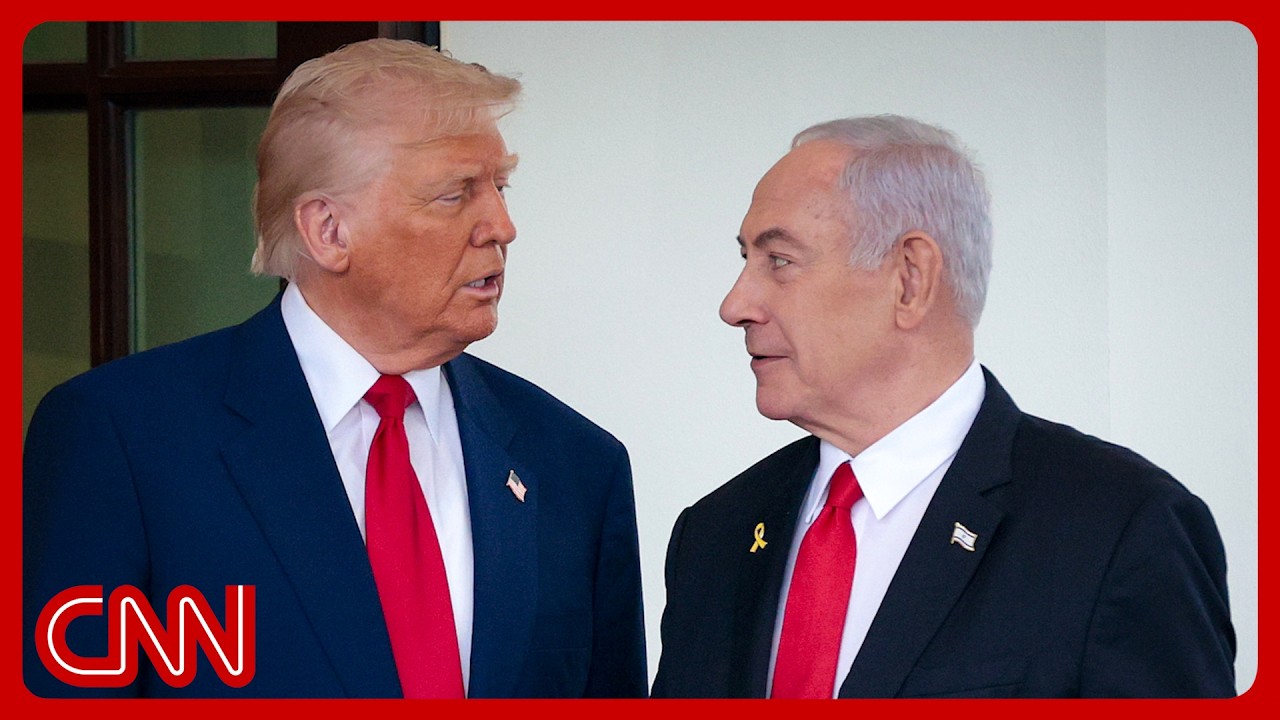
Compounding this diplomatic quagmire, former President Donald Trump recently expressed his frustration with Israeli Prime Minister Benjamin Netanyahu in a heated phone call. According to Axios, Trump derisively told Netanyahu, "You’re f***ing crazy," criticizing him for escalating conflict with Hezbollah and for what Trump perceives as ungratefulness regarding U.S. intervention, particularly around Netanyahu’s legal issues.
This contentious dialogue raises pertinent questions regarding the dynamics between these leaders. The tone of their conversation was characterized as one of the worst exchanges they have had, reflecting a growing concern within the U.S. administration that Netanyahu’s approach is reckless. Specifically, Trump aims to de-escalate the situation in the region and believes that Netanyahu’s military strategy undermines those goals.
Reports suggest that Iran, leveraging its proxy, Hezbollah, sought to increase pressure on Israel to gain leverage in negotiations. The Iranian regime appears determined to secure favorable conditions in peace talks, hinting at its complex intentions. Just over the last few weeks, Tehran seemingly oscillated between ratcheting up military actions and stepping back—signaling a reactionary strategy rather than a steadfast commitment to peace.
On the operational front, both Hezbollah and Israeli forces remain actively engaged despite recent calls for a cease-fire. Israel continues to conduct military operations along its northern border, which it deems necessary for national security. Meanwhile, Hezbollah has not only fired drones at Israeli positions but has also escalated on-ground confrontations, signaling a volatile stalemate.
In this backdrop, discussions are set to occur between Israeli and Lebanese diplomats under U.S. auspices aimed at formalizing a cease-fire. The challenge, however, remains: can these discussions transcend mere declarations on paper? Current combat operations, particularly in southern Lebanon, are pivotal in determining the feasibility of such a ceasefire.
Intertwined in this geopolitical chess game is the historical relationship between Trump and Netanyahu. Their exchanges—marked by candidness and an apparent brotherly rapport—have always displayed a mix of camaraderie and tension. This recent altercation illustrates a significant shift; the gravity of the situation seems to have strained their dynamic. As evidenced by Trump’s remarks during the call, he is increasingly wary of Netanyahu’s decisions, which he feels threaten broader U.S. interests in the region.
Amid these exchanges, a larger conversation about American perceptions of Israel emerges. Recent polls reveal waning favorability for Netanyahu among U.S. demographics, particularly within the Democratic Party, where disapproval rates are alarmingly high. Many Americans are grappling with the implications of ongoing Israeli actions on broader U.S. foreign policy. The relationship is complicated by the rising discontent among Republican voters as well, reflecting a trend of disillusionment with Israel’s hardline tactics.
As Trump attempts to grapple with a multifaceted situation involving various Iranian factions, he is evidently navigating a convoluted landscape where allegiances are fragile. This is further complicated by Iran’s internal power struggles, which can stymie efficacy in negotiations.
Looking ahead, the crucial factor remains whether both sides can agree on a path toward lasting peace. In the short term, the prospect of a cease-fire hangs uncertainly, precariously balanced on the intricate dance of diplomacy and military actions. As both the U.S. and Iran seek resolutions to their longstanding conflicts with Israel, the stakes continue to rise.
In summary, the evolving interplay between the U.S., Israel, and Iran presents a challenging diplomatic landscape. Each player is vying for stability and influence amid a backdrop of military action, escalating tensions, and public opinion that may sway future policy decisions. The road ahead is fraught with complexity, demanding delicate handling from all parties involved.