The Escalation of the Iran Conflict: A Global Perspective
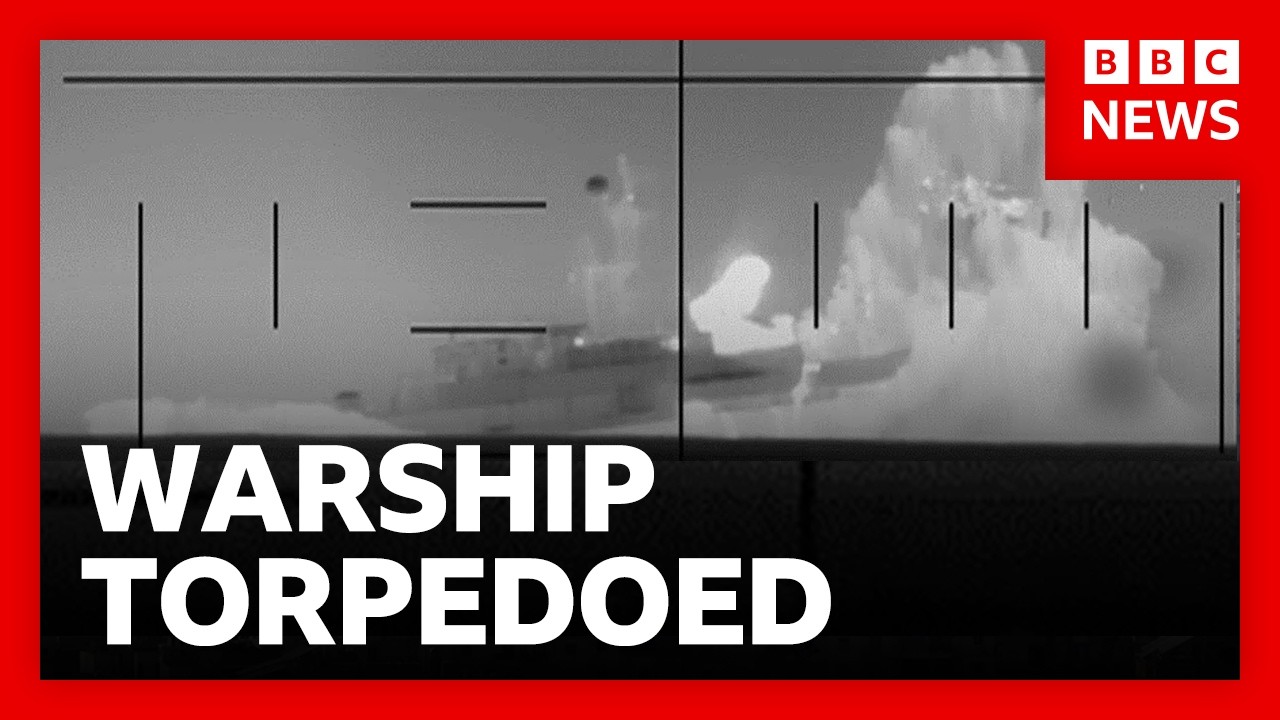
As tensions escalate in the ongoing conflict between Israel, the United States, and Iran, the consequences are resonating far beyond the Middle East. This week, a pivotal moment occurred when a U.S. Navy submarine sunk the Iranian warship Iris Dena off the coast of Sri Lanka. Over 80 bodies have been recovered, with many more missing. This incident marks a significant escalation, signaling America’s willingness to project military power in international waters.
The U.S. Defense Secretary’s announcement of this submarine attack has reverberated throughout geopolitical discussions. It is being described as a decisive act against Iranian military capabilities, a development that could unsettle the balance of power in the region. But while the U.S. aims to send a message of overwhelming force, domestic criticisms are mounting. Political opponents of President Trump are questioning the implications of such aggressive military actions.
Simultaneously, Israel has intensified its military operations, targeting Iranian-backed Hezbollah in southern Lebanon. The Israeli government has issued evacuation orders for residents in anticipation of an increase in military activity. Ground reports indicate that Israeli strikes have expanded beyond traditional boundaries, raising alarms about civilian casualties and regional stability.
The implications of this war are dire, affecting not just military personnel but millions of civilians caught in the crossfire. In Tehran, citizens describe relentless bombardments, creating an atmosphere of fear and uncertainty. One anonymous resident shared his experiences with heavy bombardment and total disconnection from the outside world, reflecting the suffering endured by the Iranian populace. Regardless of their views on the regime, the ongoing conflict transforms daily life into a grueling endurance test.
As U.S. strikes continue, they are targeting infrastructure integral to the Iranian military, including leadership figures and missile launch facilities. The aim is to cripple Iran’s long-term capacity to retaliate and create an opening for regime change. However, concerns grow regarding the legality of these military operations under international law. The U.S. claims this is a war of self-defense, yet the actions taken raise complex questions about the thresholds for such declarations.
In Lebanon, the debris of conflict continues to accumulate. Israeli airstrikes have reportedly killed many Hezbollah operatives, but they have also claimed civilian lives. The Lebanese health ministry reported over 70 deaths in just the last two days, intensifying an already volatile situation. The lack of a clear strategy from the U.S. and its allies raises vital concerns about what the envisioned endgame might look like.
While the U.S. military claims it has struck nearly 2,000 Iranian targets in less than a week, the real question remains: what comes next? American military operations are designed to be pervasive and far-reaching, yet the lack of a coherent plan for post-conflict stabilization hints at a potential quagmire.
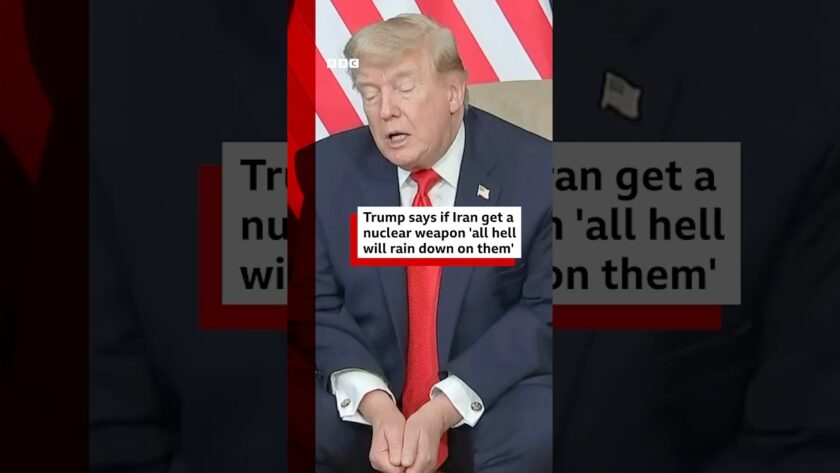
In Washington, President Trump remains resolute, insisting that the U.S. and its allies are in a strong position. However, his administration’s choices are laden with risks, particularly as American allies like Turkey express concerns over escalating attacks that have reached their own airspace.
The humanitarian toll of this conflict is exacerbated by a growing wave of displacement. British nationals stranded across the Middle East are facing uncertainty. The UK’s government is scrambling to organize evacuation flights, but thousands remain trapped. Simultaneously, economic forecasts predict escalating energy prices resulting from the war’s inflationary impact, adding yet another layer of complexity to the geopolitical landscape.
As the situation develops, both leaders and analysts grapple with vital questions about the legitimacy, strategy, and potential goals of this conflict. Diplomatic efforts seem to be fading amidst bombastic military operations, and the consequences of this war could well shape the future of the Middle East for generations to come. Those in power would do well to consider not just military victories, but the long-term ramifications of their actions on the lives of ordinary citizens.