Fragile Ceasefire Renewed: Israel and Lebanon’s Delicate Balance
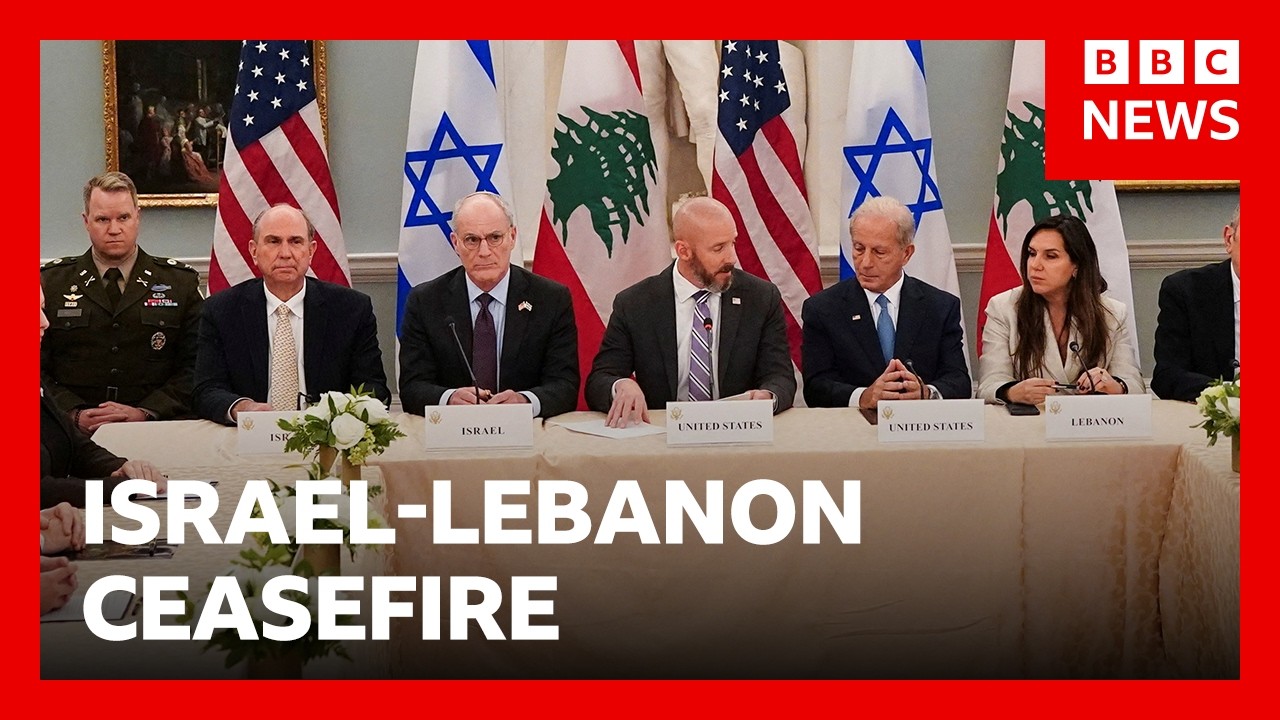
In a significant diplomatic development, Israel and Lebanon have agreed to renew their fragile ceasefire while establishing pilot security zones under the jurisdiction of the Lebanese Army. This agreement emerged from talks in Washington, brokered by the United States, signaling renewed international involvement in regional security matters. The recent escalation of Israeli military operations in southern Lebanon, primarily targeting the militant group Hezbollah, highlighted the volatility of the situation, making this agreement particularly critical.
The ceasefire agreement mandates that Hezbollah must cease all hostilities and withdraw its forces from southern Lebanon. However, the Iranian-backed group has historically opposed negotiations with Israeli officials, making the prospects of compliance seem uncertain. Resistance to the ceasefire is also visible within Lebanon. Hard-right Israeli political factions have openly expressed their discontent, fearing that concessions may jeopardize Israel’s security. Nevertheless, Israel’s ambassador to the United States has portrayed confidence that this latest agreement can withstand the prevailing tensions, emphasizing it as an opportunity to break the cycle of violence that has characterized the region for decades.
Ambassador Gilad Erdan made it clear that the initiative would be closely monitored by the U.S. This cooperative effort aims to solidify the security framework in the south of Lebanon, theoretically preventing Hezbollah from taking advantage of any vacuum. “Special units in the Lebanese army will progressively take command of areas in the south,” he stated, highlighting a strategic shift intended to foster stability. The objective is clear: to avoid a scenario where Israel retracts its military presence only to witness Hezbollah’s resurgence, a cycle that has plagued the region for approximately forty years.
In Beirut, the mood remains one of cautious optimism. Correspondent Lena Sinjab reported that reactions are still developing as discussions continue to unfold. While some perceive the proposed agreement as a structured attempt to dismantle Hezbollah’s presence in the south, the intricacies of the situation leave plenty of room for skepticism. The pilot zones, while promising, raise questions about the practicalities of enforcement and monitoring. For this plan to be effective, it isn’t just the presence of the Lebanese Army that matters; the actual disarmament of Hezbollah remains a complex and contentious issue.
Notably, the agreement lacks explicit language about the timeline for Israeli withdrawal from southern Lebanon. As Sinjab pointed out, Israel currently maintains a significant military presence in the area, effectively exerting control over large portions of southern Lebanon. The absence of a clear withdrawal strategy complicates the ceasefire’s implementation. Without addressing the status of Israeli forces, the agreement risks creating further tension and may not lead to the intended stabilization.
Hezbollah’s response has been largely anticipated. With historical resistance to territorial concessions, the group’s commitment to disarm and withdraw from southern Lebanon remains a significant hurdle. It is unclear whether the anticipated pilot zones will effectively limit Hezbollah’s influence, or if the group will find ways to navigate around the ongoing constraints.
The gradual implementation of this ceasefire agreement suggests that this is merely the beginning of a broader dialogue. As negotiations evolve, external influences, particularly the role of the United States, will be critical. The effectiveness of this agreement will ultimately depend on the willingness of both Israel and Lebanon, as well as their ability to navigate domestic and international pressures.
As the sun rises on the delicate situation, both nations face the daunting task of transforming this fragile ceasefire into a lasting peace. The road ahead is fraught with challenges, but this agreement ignites a glimmer of hope for a more secure and stable southern Lebanon. The world watches, waiting to see if this moment marks the dawn of a new era or merely another chapter in a long history of conflict.