The Evolution of Yonge Street: A Look Back and Ahead
For those nostalgic for the vibrant energy of downtown Toronto, particularly Yonge Street, the reality of today may come as a surprise. Once dubbed the main street of English Canada, it has undergone significant transformations over the decades. As Christie Nielsen’s exploration reveals, Yonge Street is a complex tapestry woven from threads of history, culture, and commerce, navigating through both glory and decline.
Walking down a 20-block stretch of Yonge Street today offers a kaleidoscope of experiences. Loud, busy, and unapologetically tacky, this busy thoroughfare stands as Toronto’s version of New York’s Times Square. Here, one can find an array of establishments, from trendy fast-food joints to quirky shops. Yonge Street has become a microcosm of urban life, embodying both the vitality and chaos of a city striving to thrive amidst the relentless march of change.
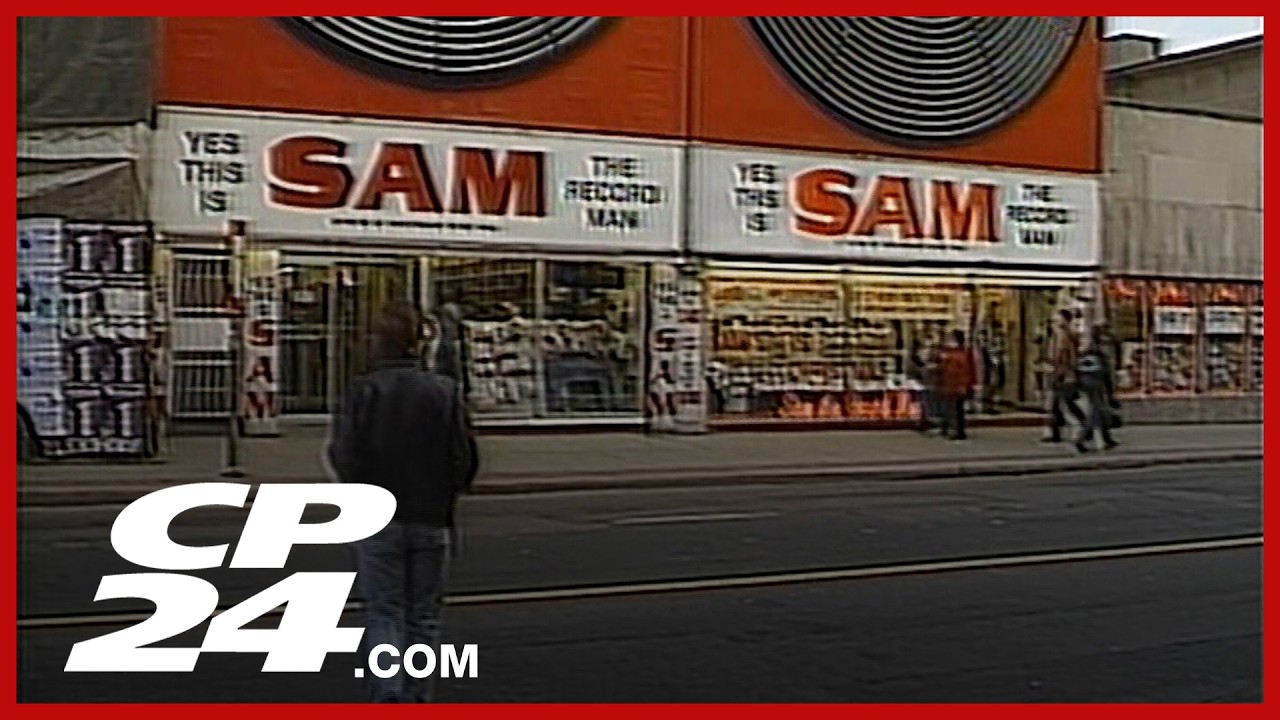
Historically, Yonge Street was built on a foundation of elegance. It was Timothy Eaton, the visionary behind the first department store on Yonge, who set a standard for retail in the city. Evolving through the decades, Yonge Street became a pedestrian paradise in the 1970s, a haven for runaways and an epicenter of youth culture. Yet, its allure deteriorated by the late ’70s as it became overrun with adult-oriented establishments. A pivotal moment came in 1977, marked by the tragic murder of a shoeshine boy, prompting community activists to rally for change. This event catalyzed efforts to remove some of the less savory elements from the street, leading to the birth of the Eaton Centre—an oasis of retail aimed at attracting a wealthier clientele.
Despite these investments, Yonge Street continues to battle economic challenges. For many shops, the struggle is palpable. Roy, a vendor from the Electronic Depot, candidly shares his burden: “We pay $5,500 a month. That’s $66,000 a year. Competition is cutthroat.” Small business owners have increasingly found it difficult to sustain themselves amid soaring rents and shifting consumer habits. The landscape feels dominated by dollar stores and transient vendors with scant opportunity for growth.
Yet, amid these challenges, new enterprises continue to emerge, seemingly defying the odds. Stores can change hands overnight, morphing from one low-profile establishment to another at astonishing speed. Yonge Street remains a canvas for aspiring entrepreneurs, although many are compelled to operate outside the legal frameworks due to stringent licensing requirements set by city officials.
This atmosphere has garnered mixed reactions from long-established merchants like Axe Smith Shoes, a business that has thrived for 65 years. Their perspective highlights a critical debate about the role of street vendors and the city’s approach to urban planning. “It’s better off them working than collecting welfare,” they argue, advocating for a more inclusive view of street life.
Yet, Yonge Street is not without its darker stories. Incidents of violence, such as the riots in 1992 post the Rodney King trial in Los Angeles, shook the community and left a mark on the city’s psyche. Such events are reminders that urban spaces can be volatile, revealing the delicate balance between law enforcement and community engagement.
As today’s Yonge Street grapples with a complex identity, it thrives in an environment marked by diversity and cultural expression. The street serves as a testament to Toronto’s evolution—resilient yet fractured, chaotic yet vibrant.
So, what does the future hold for this historic artery? Some argue for a return to its roots: more businesses, less mall dominance. Others see potential in its eclectic character. No matter one’s viewpoint, it’s clear that Yonge Street is not merely a shopping destination. It encapsulates a community in transition, reflecting broader changes within the city of Toronto as it seeks to redefine itself in the face of modern challenges.
As our cities evolve, so too does our approach to public spaces. Yonge Street may not be what it once was, but it retains a spirit that continues to adapt—a lesson in resilience for urban centers everywhere.