Consequences of the Strait of Hormuz Blockage: A Regional Perspective on Energy and Economy
The geopolitical landscape surrounding oil transportation has become increasingly precarious, particularly concerning the Strait of Hormuz, which is crucial for global oil exports. Saudi Aramco, the world’s largest oil producer, has issued a stark warning about the potential catastrophe should this maritime route remain blocked for an extended period. The ramifications of prolonged disruptions to oil flows could extend far beyond fluctuating crude prices, influencing economies, energy availability, and ultimately the livelihoods of millions.
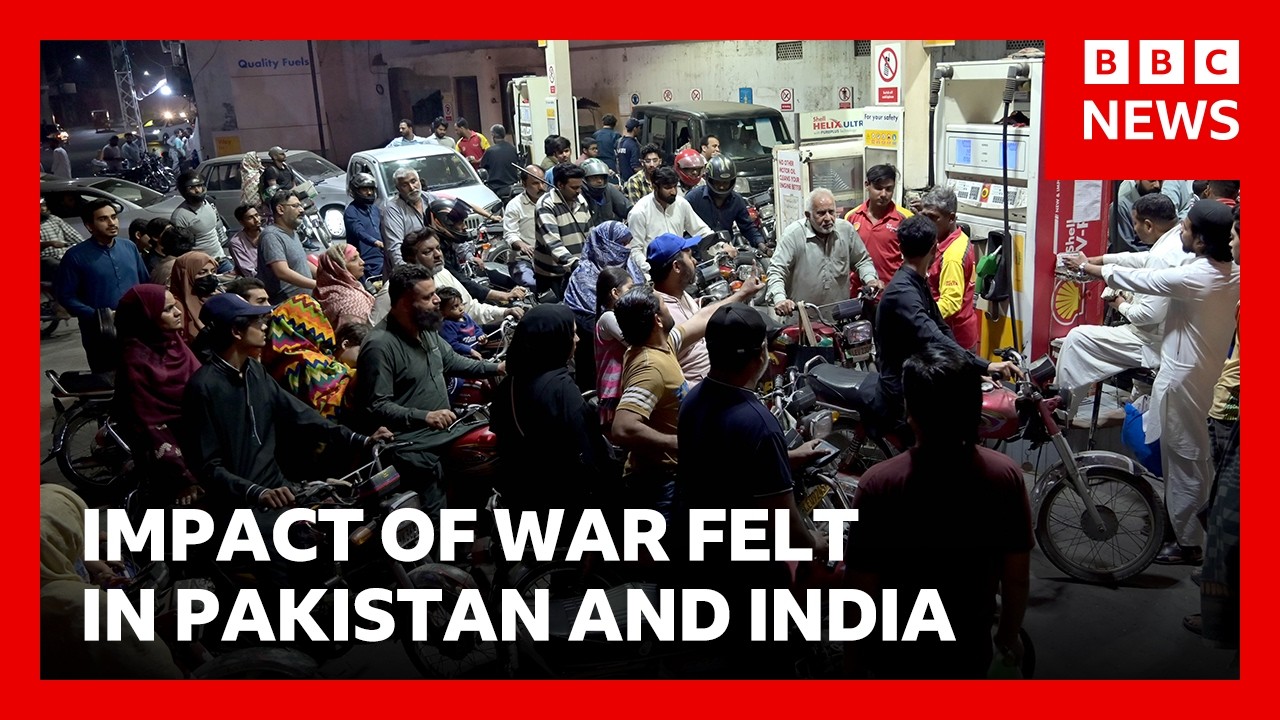
Recent developments have already begun to affect nations reliant on imported oil. In Pakistan, Prime Minister Shehbaz Sharif addressed the nation, unveiling a series of measures aimed at mitigating fuel shortages and preserving energy resources. A four-day workweek for government employees has been implemented, with the hope that private firms will adopt similar approaches. Additionally, schools will close for two weeks, and universities will shift to online instruction, all in an effort to conserve fuel amidst soaring costs. The monthly oil expenditure for Pakistan is expected to spike to a staggering $600 million, prompting the government to enact austerity measures, such as curtailing salaries for ministers and restricting foreign travel for officials.
The pressing question remains: How long can Pakistan sustain its existing fuel reserves, and what alternative strategies can the government deploy during this time of crisis? The strategic significance of the Strait of Hormuz for Pakistan’s energy supply, particularly its liquefied natural gas (LNG) imports from Qatar, cannot be overstated. Any disruptions could precipitate severe local economic challenges.
Meanwhile, India faces its own unique set of challenges. As Arun Mukji reported from Delhi, petrol and diesel supplies currently appear stable, with government assurances of a 25 to 30-day reserve. India’s ability to pivot toward Russian oil imports—facilitated by a waiver from the U.S.—provides a buffer against potential shortfalls. However, the ripple effects of rising energy costs are already being felt, particularly in the country’s small eateries and restaurants.
The surge in costs for liquid petroleum gas (LPG) is alarming, given that approximately 300 million households and numerous restaurants rely on it for daily operations. The Indian government has prioritized essential supplies; however, non-essential sectors like hospitality are experiencing significant strain. Restaurant associations have warned of dire consequences, indicating they have only two to three days of gas left, which could impact their ability to operate. Memories of the COVID-19 lockdown still linger, with many businesses recalling how they provided critical services during the pandemic. They are now urging the government to reconsider their classification as "non-essential" to ensure a continued supply of LPG.
The economic challenges extend to everyday consumers as well. In both Pakistan and India, ordinary citizens are bracing for increased prices on goods and services directly tied to energy costs. In Pakistan, shopkeepers have already reported that their suppliers are raising prices in response to the uncertain fuel landscape. The approach of Ramadan and the lead-up to Eid adds urgency to these concerns, as families typically spend more on food and gifts during this festive period.
As these nations navigate the turbulent waters of rising energy costs and economic consequences, the implications of the Strait of Hormuz blockade stand as a palpable reminder of energy vulnerability. Both Pakistan and India face a balancing act—maintaining energy security while striving to avoid inflationary pressures that could destabilize their respective economies.
In summary, the situation is fluid, and the global energy market remains fraught with uncertainty. The ripple effects of geopolitical intricacies and economic dependencies may very well determine how nations adapt and respond to the looming crises ahead. As the world looks on, the importance of energy diplomacy and diversification becomes ever clearer, not just for the producers, but equally for the consumers caught in the crossfire of global events.