Japan on High Alert Following 7.5 Magnitude Earthquake
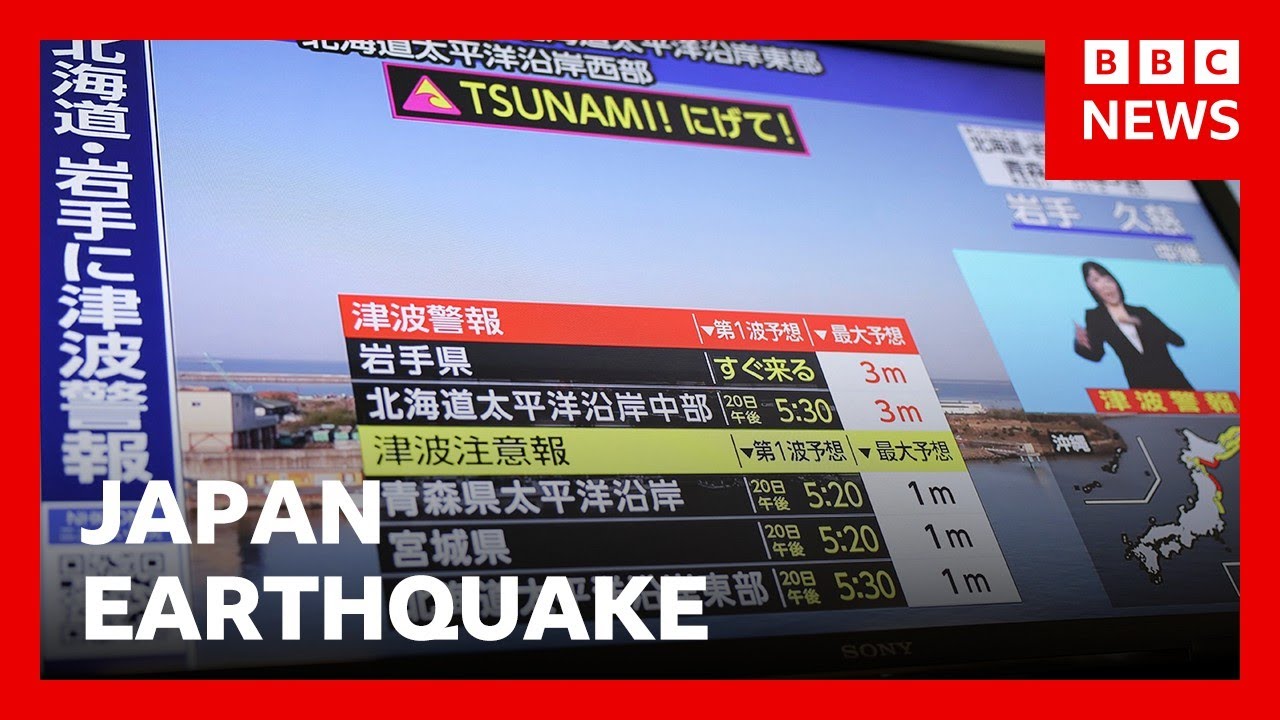
Japan is currently grappling with the aftermath of a significant earthquake measuring 7.5 on the Richter scale, which struck offshore just a couple of hours ago. This seismic event has prompted urgent warnings of possible tsunamis, with reports indicating waves of considerable height approaching the coastline. Live updates from various feeds reveal a relentless campaign to monitor the situation as officials scramble to ensure the safety of residents.
The quake, one of the largest recorded in the region in nearly a century, serves as a stark reminder of Japan’s vulnerability to natural disasters. It pales in comparison to the devastating 2011 earthquake and tsunami, which claimed nearly 20,000 lives, primarily due to the cataclysmic waves that followed. While today’s seismic activity is significant, it does not approach the magnitude of past disasters. Nonetheless, even smaller tsunami waves—initial reports suggest heights of around 40 centimeters—pose a genuine threat to coastal communities.
James Sims, a journalist reporting from Tokyo, highlighted the current concerns regarding the tsunami. "While the waves recorded so far are not as catastrophic as initially feared, there is a persistent risk," he stated. "A tsunami can surge up rivers and streams, escalating its impact significantly in certain areas." His insights emphasize the potential for waves to exceed initial estimates, especially given that the situation may evolve as more waves are anticipated.
Authorities have issued clear evacuation orders, warning residents to move to higher ground. Alert messages broadcasted by Japan’s public broadcaster NHK reflect the gravity of the situation, utilizing straightforward language that encourages prompt action. The government has been diligent in strengthening these warnings since the 2011 disaster, ensuring that the population is acutely aware of the risks associated with tsunami events.
Residents, having lived through the tragic events of 2011, are responding to the latest alerts with heightened awareness. "People are very apprehensive," Sims noted, underscoring the collective memory of past catastrophes that continues to inform behaviors during emergencies. The enduring impact of the 2011 disaster is evident in the public’s immediate compliance with evacuation orders and their readiness to respond swiftly to official directives.
Interestingly, Japan’s cultural memory surrounding tsunamis is encapsulated in the existence of "tsunami stones." These historical markers serve as reminders of past tsunami heights, often dating back a century or more. They advise current generations against building structures below specific elevations—an enduring testament to the lessons learned from history. "While people may become complacent over time, these stones help instill a mindfulness of the ever-present danger nature poses," Sims explained.
As the situation develops, officials remain vigilant, monitoring potential aftershocks and secondary waves. The Japan Meteorological Agency recently issued a cautionary statement suggesting that larger tsunami waves may still be on the horizon. While initial reports indicate waves reaching up to 80 centimeters, experts warn that subsequent waves could be more substantial, heightening the urgency for preventive measures.
In conclusion, Japan’s immediate response to the 7.5 magnitude earthquake showcases a blend of preparedness shaped by experience and real-time crisis management. Authorities, through diligent communication and clear directives, are working to mitigate risks. As the nation once again faces the specter of a natural disaster, the lessons of the past loom large, reminding everyone of the unpredictable force of nature and the collective responsibility for safety. The world watches as Japan navigates this precarious moment, hoping for the safety of all those impacted by the forces of nature.