A Closer Look at Social Media Messaging Among Influencers in the UAE
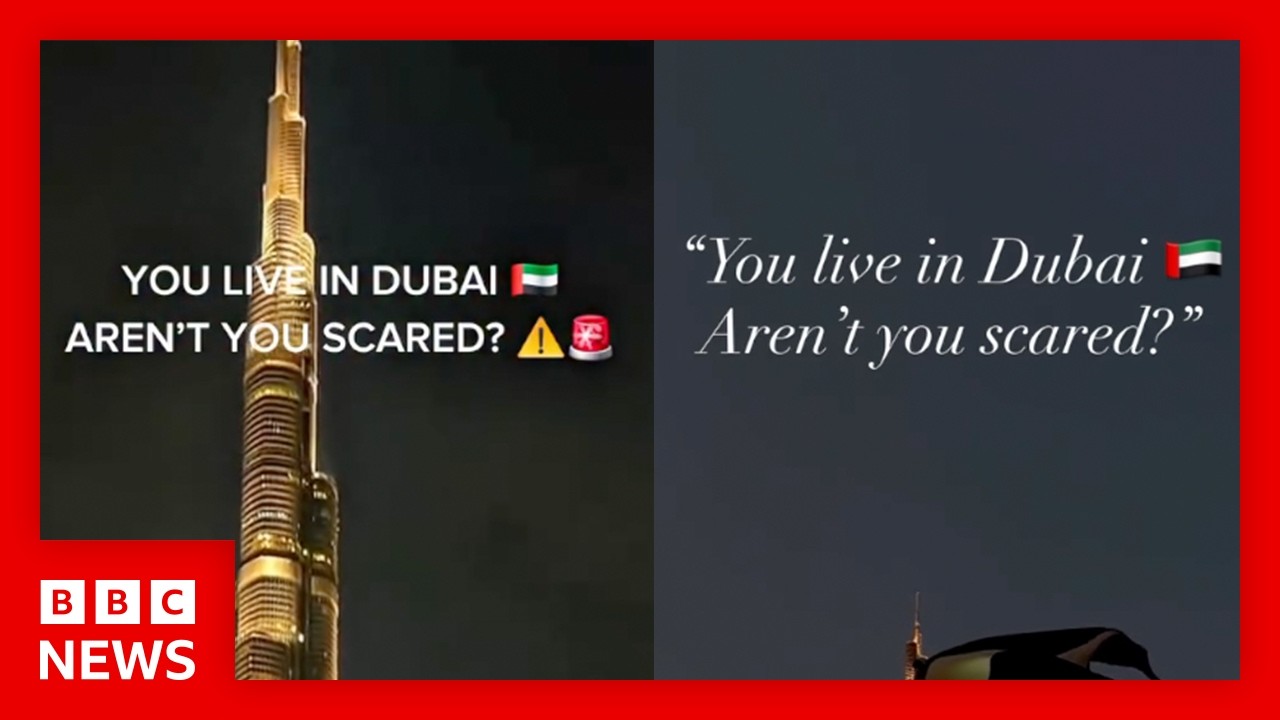
In recent weeks, a curious surge of similar messages has flooded social media platforms in the United Arab Emirates (UAE). Influencers, predominantly based in Dubai, appear to be echoing identical sentiments about safety and leadership amidst rising regional tensions, particularly following missile threats from Iran. While initially perceivable as a mere trend, a deeper investigation reveals significant implications of this behavior.
The backdrop to this phenomenon includes alarming geopolitical developments. Following US-Israel strikes on Iranian targets, UAE areas have been under threat, with missile incidents reported close to prominent locations like the Fairmont Hotel on the Palm Jumeirah. Fortunately, most of these projectiles were successfully intercepted, but the anxiety among residents was palpable. It is against this landscape that influencer activity has notably spiked.
Our analysis centered on data collected from social media posts between February 28 and March 4, involving 129 Instagram posts from 21 different accounts. What immediately struck us was the remarkable similarity in phrasing and messaging across these posts. Many influencers prominently featured themes of safety, stability, and strong leadership, reinforcing a singular narrative—one that emphasized faith in the nation’s air defense capabilities. The term “air defense” appeared no fewer than 18 times; “stay safe” was echoed 17 times, and “strong leadership” 15 times. Such recurrent wording raises questions about spontaneity and authenticity.
Moreover, the timing of the posts is equally perplexing. Several entries were published mere seconds apart. For instance, just 31 seconds after a message promoting national strength appeared on March 1, another influencer emphasized air defense systems and safety. This pattern of simultaneous posting is not a mere coincidence; it suggests a level of coordination that warrants further scrutiny.
Interestingly, these posts received an unusually high level of engagement compared to the influencers’ typical content. While it’s well-known that posts related to conflict generally garner heightened attention, such extraordinary interaction could signal the possibility of artificial boosting—strategies such as using advertisement tools or bot networks to amplify the perceived organic reach of certain messages, a practice often referred to as "astro-turfing."
This pattern of repetitive phrasing, synchronous posting, and enhanced engagement typically points to a well-organized campaign. Yet, the exact nature of the influencers’ motivations remains unclear. Some commenters have taken note of the uniformity, with one influencer humorously addressing these allegations by stating she’s “paid in safety and lifestyle” and wishing to convey solidarity with others in the region. Meanwhile, another remarked, “The reason we’re all saying it is ’cause we believe in it.”
The role of influencers in the UAE cannot be understated. They are integral to the nation’s economic landscape and global brand identity. The government actively fosters this sector by offering incentives like a golden visa for content creators, which includes long-term residency perks, no income tax, and resources such as studio access and mentorship. However, this comes with a caveat; strict regulations govern the content creators, prohibiting the dissemination of information that state authorities deem false or misleading. Violating these laws can lead to severe penalties, including heavy fines or imprisonment.
In light of the current conflict, the UAE’s government has explicitly warned residents against spreading content that contradicts official announcements. Given that nearly 90% of the residents in the UAE are expatriates, some support the government’s right to impose such regulations as a means of maintaining national stability.
Ultimately, the cluster of identical posts from influencers may appear as a collective expression of reassurance during tumultuous times. However, the underlying factors of coordination and adherence to state narratives complicate the authenticity of this sentiment. As the geopolitical landscape continues to evolve, it will be essential to observe how the influencers navigate their role within this intricate tapestry of societal expectations and governmental regulations.