The Economic and Military Stakes in the Iran Conflict
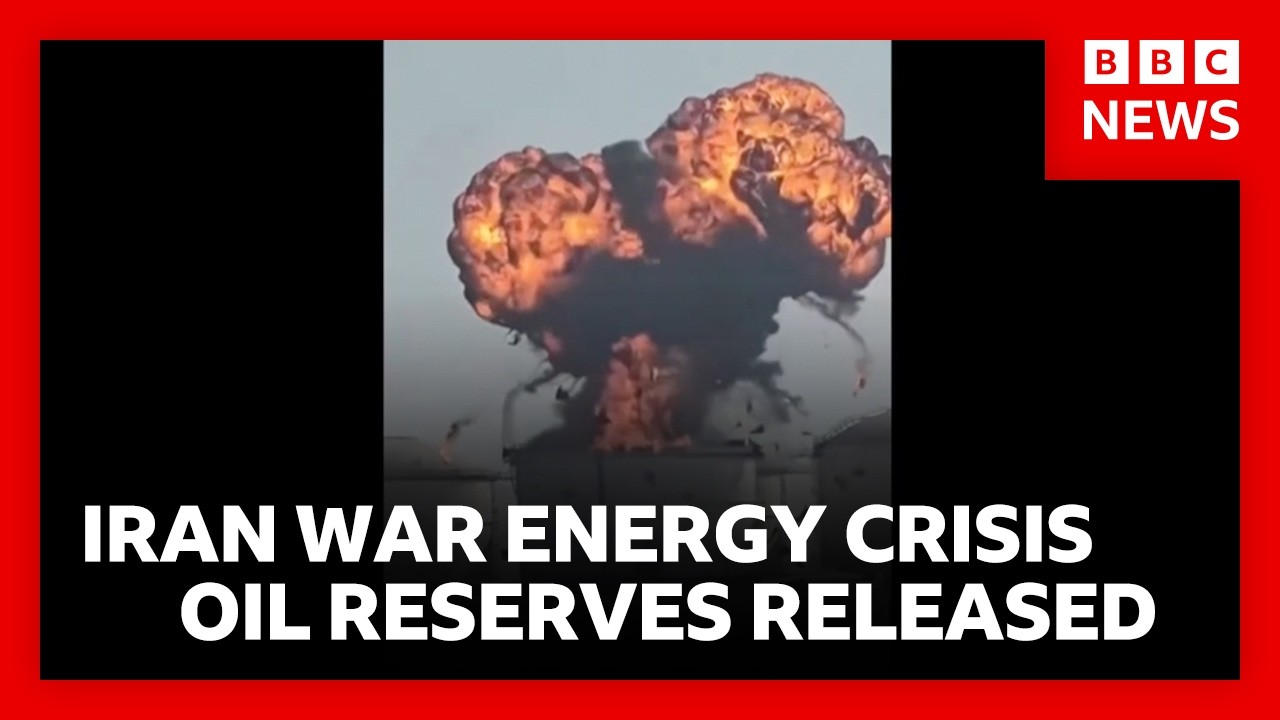
In the heart of the United Arab Emirates, a significant economic event unfolds amidst escalating military tensions. Today, 32 countries, including members of the International Energy Agency (IEA) like the UK, collectively sanctioned the largest release of oil reserves in history: 400 million barrels. This unprecedented measure aims to alleviate soaring oil prices driven by the ongoing conflict involving the US, Israel, and Iran. The Strait of Hormuz, a strategic waterway through which 20% of the world’s oil supply flows, has become a focal point of peril, as Iranian officials have issued stark warnings targeting vessels perceived as threats.
Recent hostile actions in the region underline the complexities of the conflict. Three ships have sustained damage from Iranian strikes, disrupting the delicate balance of global oil commerce. A traffic jam of cargo carriers and oil tankers now languishes off the coast, unable to navigate the treacherous waters. The closure of this crucial shipping lane could have far-reaching consequences, not only for regional stability but also for the global economy.
Former Royal Navy commander Tom Sharp voiced his concerns about the challenges posed to maritime vessels. The threat extends beyond missiles and drones; Iranian fast attack boats, some camouflaged as jet skis, pose a unique danger. These boats, often improvised for destruction, complicate an already tense security landscape. The US Central Command recently showcased its operations against Iranian naval capabilities, but critics caution that American confidence may be overstated. Iran, despite being outgunned, is adept at employing unconventional tactics, including using converted fishing boats for mining operations.
The repercussions of the economic warfare engendered by military conflict are already observable in fuel markets. Simon Jack, the BBC’s business editor, highlighted the current dynamics. While the IEA’s intervention marks a historic moment, the gradual release of reserves stands to affect prices only incrementally. Fuel costs in the UK have already increased, with petrol prices surpassing previous averages. This upward trend reverberates through the economy, influencing everything from food prices to inflation. Consequently, the specter of rising interest rates looms, complicating financial landscapes for ordinary citizens.
As the conflict progresses, the human cost is becoming increasingly evident. A US human rights organization reports over 1,245 deaths in just 12 days, with Israel launching extensive strikes targeting Iranian infrastructure and Hezbollah positions in Lebanon. The airstrikes have led to significant civilian casualties, a stark reminder that military tactics often result in collateral damage.
On the ground, fear and uncertainty permeate the lives of civilians. Videos from Iran convey a haunting sense of normalcy interrupted by the constant threat of conflict. One resident, reflecting on the surreal duality of life amidst war, lamented the casual violence that has encroached on daily existence. In interviews, many express hope that traditional residential areas remain untargeted in the crossfire.
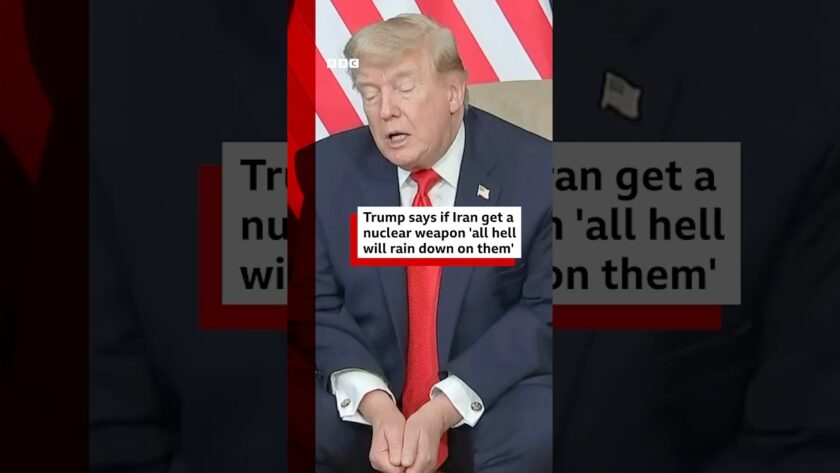
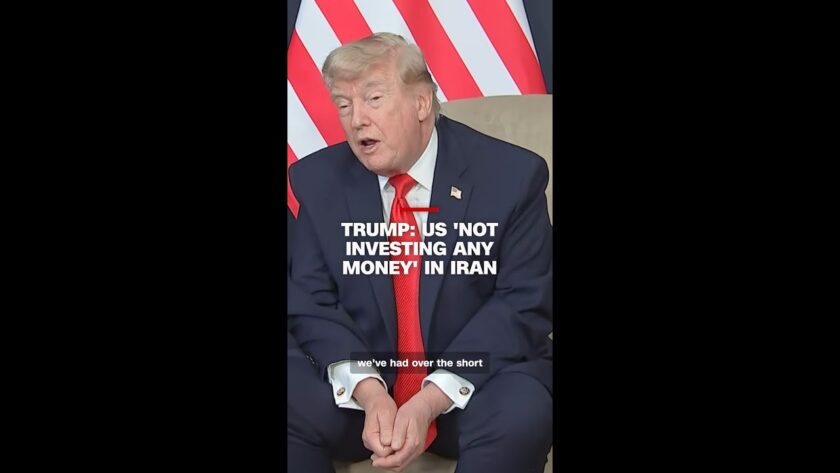
Meanwhile, Donald Trump, engaging in political dialogue in Kentucky, attempts to shift focus back to domestic concerns, particularly the economic ramifications of the conflict. Trump asserts that oil prices will stabilize and even decline, positioning the situation as an unfortunate, yet manageable, consequence of military action. However, some attendees at his rallies share a more nuanced perspective, concerned about the potential for prolonged military involvement and its implications for American lives.
Lynn, a mother whose son lost his life in the Iraq War, epitomizes this skepticism. She questions the rationale behind American military interventions, urging leaders to justify the human costs associated with them. As public sentiment fluctuates, the Iranian war presents a unique challenge; it lacks majority support from the onset and raises broader questions about the US’s role in foreign conflicts.
In the larger geopolitical landscape, the crisis engendered by military actions and economic policies will continue to shape public opinion, influence market conditions, and determine international relations. As events unfold, the outcomes will resonate long after the conflicts subside, underscoring the interconnectedness of warfare, global economics, and civilian lives.