Understanding the Underpinnings of Current Political Turmoil
In a recent exchange among journalists, a convergence of political analysis and personal anecdotes unfolded, revealing the intricate layers of governance and public scrutiny in the UK. As the 25th of April approaches and CastFest prepares for its debut at the illustrious BBC Maida Vale Studios, where history echoes with the likes of The Beatles, the need for clarity amidst chaos becomes even more apparent.
The dialogue began with the precipitating issue surrounding Peter Mandleson’s security vetting status, recently exposed by the Guardian. An unassuming question about the day of the week hinted at the larger gravity of political accountability, exposing the cracks that appear when leaders falter. The Prime Minister expressed outrage over being misled, setting the stage for expected inquiries from Members of Parliament, while Ollie Robbins, a key official, faces scrutiny over his role in the misinformation. This scenario evokes a narrative reminiscent of Agatha Christie, where layers of deception and intrigue are slowly peeled back.
Liz Kendall, a cabinet minister, appeared confident in defending the government’s actions. Yet, her response to direct questioning about the Prime Minister’s oversight revealed the tension between maintaining political integrity and addressing public concern. The Prime Minister’s assertion of ignorance towards the vetting failures raises not only questions about his leadership but also about the decision-making apparatus that surrounds him. Are leaders equipped to handle their responsibilities, particularly when they encounter information they would prefer to ignore?
The political landscape further complicates as the UK prepares for a significant electoral shift in Scotland, Wales, and local councils in England—dubbed "Mega May." Discussions among party leaders reflect a palpable concern among voters who feel increasingly disconnected from the governance that claims to represent them. Reports indicate a problematic disconnect; while party leaders may project confidence, many voters convey uncertainty about whom to support in upcoming elections. This ambivalence underscores a broader disillusionment with established political frameworks.
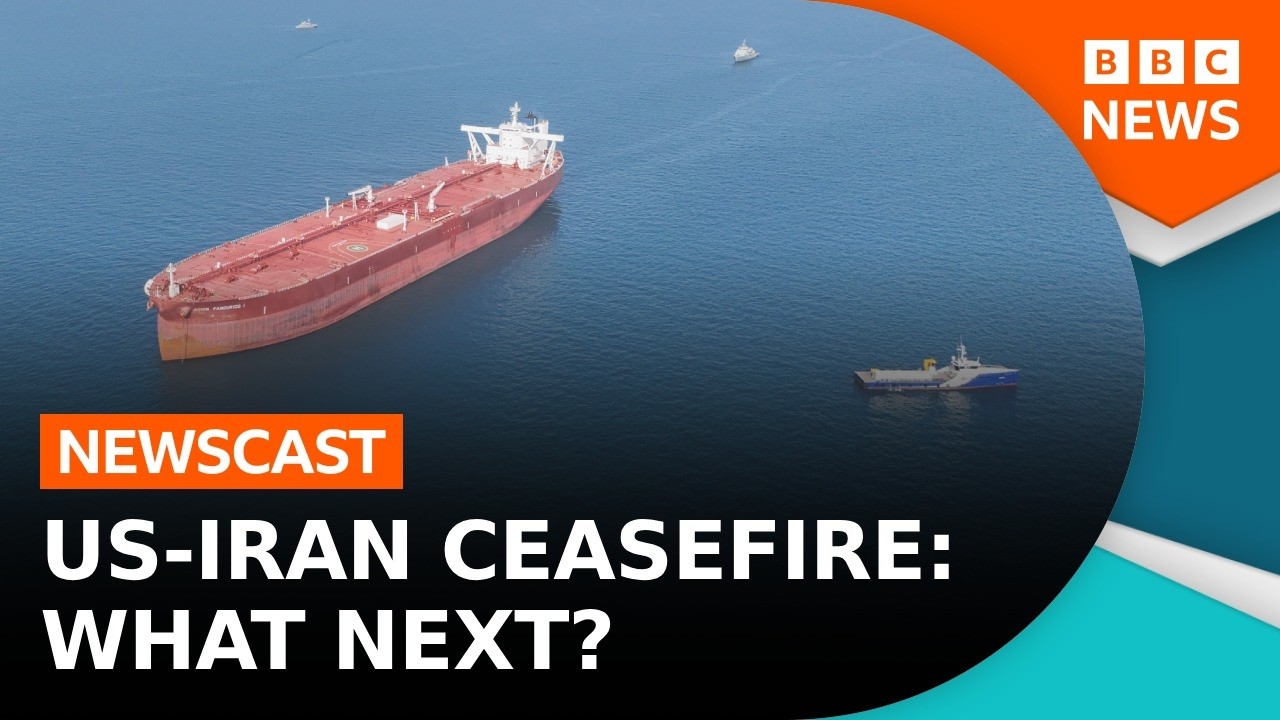
As the conversation transitioned towards the geopolitical implications, particularly regarding Iran’s manipulative capabilities concerning the Strait of Hormuz, the nexus between local issues and global dynamics emerged. The impact of prolonged tensions extends beyond diplomatic circles, affecting everyday citizens through rising commodity prices and food insecurities. The journalist’s lament on the Western fixation with minute details raises a relevant counterpoint: how can a government effectively serve its populace when ensnared in labyrinthine bureaucratic processes?
The intricacies of political risk management are highlighted, along with the cautionary tales that remind us of the far-reaching consequences of governmental missteps. As tensions rise and narratives of integrity clash with public scrutiny, the accountability of political leaders remains under siege. Does the public’s perception of incompetence tarnish the integrity of an entire regime? The marching orders for political leaders are clear: accountability should be at the forefront, especially during a time when trust in government institutions hangs by a thread.
With the international community observing the UK’s fraught political landscape, forthcoming conversations promise further revelations. In times where contrasts between optimism for electoral outcomes and despair over governmental malpractice collide, understanding the depth of such crises is essential. While the air is thick with anticipation for the elections and debates on national security, a firm grasp of the heart of political integrity is crucial. How leaders navigate these tumultuous waters will ultimately decide not just their fates, but also the very fabric of public trust that binds the electorate to its representatives.
In conclusion, as events unfold in Westminster and beyond, a fundamental question remains: How do we redefine the relationship between governance and the governed in these increasingly complex times? The focus must shift from mere positions of power toward sincerity and accountability, catalyzing a profound reassessment of what it means to lead effectively in a world rife with uncertainty.