Anthropic’s Ambitious IPO: A Window into the AI Landscape
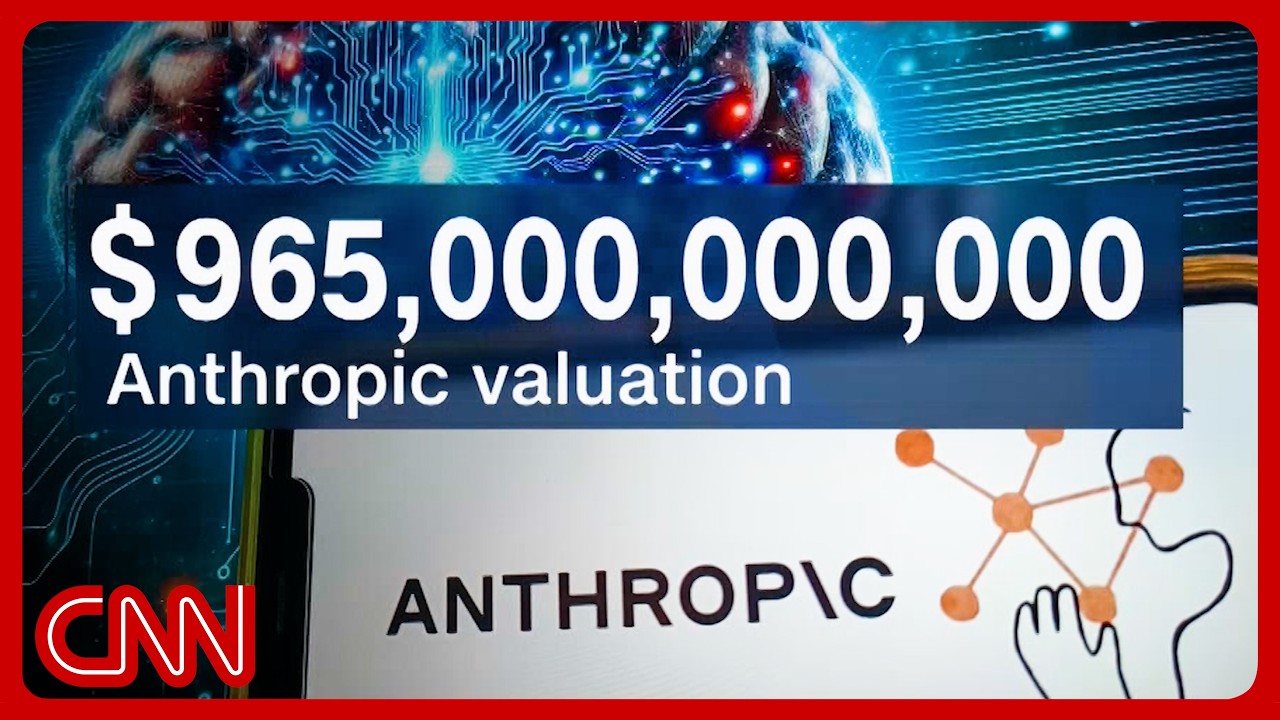
Anthropic, an artificial intelligence research company, is positioning itself for what could potentially become one of the largest initial public offerings (IPOs) in history. Known primarily for its AI model, Claude, the company has recently raised an astonishing $65 billion in its latest funding round, pushing its valuation close to a trillion dollars. With its IPO filing, Anthropic has leapfrogged its rival, OpenAI, which is also gearing up for a public offering.
However, several questions linger regarding the specifics of Anthropic’s IPO. The company has yet to disclose details about the number of shares it plans to sell or the pricing strategy, leaving much uncertainty in its wake. The sheer valuation alone hints at a historically significant IPO, but it’s essential to look deeper. This IPO will not just reflect Anthropic’s financial performance; it serves as a potential barometer for the entire AI industry.
In recent times, the narrative around AI has evolved dramatically. Traditionally viewed as tools for enhancing search capabilities, AI applications are now being recognized for their potential to fundamentally alter how we work and interact with technology. This shift is particularly pronounced in sectors like software engineering and finance. Claude has gained traction in enterprise applications, reportedly surpassing OpenAI’s models in enterprise spending for the first time in April. If Anthropic moves forward with its IPO, it will provide critical insights into the demand for AI tools in various sectors, as well as where investment opportunities lie.
Anthropic’s approach distinguishes itself from that of OpenAI. While OpenAI markets a more general-purpose AI application, Anthropic has concentrated on enterprise solutions. This difference in strategy underscores the competitive landscape within the AI space. Should Anthropic’s IPO be successful, it would signal the robustness of its business model and the viability of enterprise-focused AI solutions.
As debates around artificial intelligence intensify, so do concerns regarding its implications for humanity. Some experts express alarm over the existential threats posed by advanced AI, pointing to a race among tech superpowers that could lead to disastrous outcomes. In contrast, others argue that while caution is warranted, the benefits of AI outweigh the risks, provided that appropriate governance and regulation are put in place. A third perspective calls for immediate action to establish frameworks that align technological advancements with societal needs.
Tristan Harris, co-founder of Humane Tech and a former Google design ethicist, recently weighed in on this debate. He cautions that while the potential benefits of AI are promising, we must consider the underlying incentives driving its development. Companies could prioritize the replacement of labor over augmentation, a trend that could lead to widespread unemployment and societal disintegration.
This raises a fundamental question: Can proper regulation of AI be achieved amid a global race for technological supremacy? Harris argues that the stakes go beyond the mere race for AI capabilities; they extend to how we manage the social impacts of these technologies. If the United States, for example, manages to advance AI without considering regulatory frameworks, it risks social upheaval and economic disparity.
At a time when many AI companies are operating at a loss, the profit model remains unclear. Some argue that the very nature of AI’s rapid deployment could mislead us into underestimating the downstream consequences. Without substantive regulation or a coordinated effort to govern these technologies responsibly, we may find ourselves trapped in an inescapable cycle of dependency on AI, reminiscent of our relationship with social media.
In contrast, Lance Ulanoff, editor-in-chief of TechRadar, posits a more optimistic view. He believes that while the rapid rate of AI development is concerning, humans remain in control of its trajectory. The key lies in harnessing public sentiment and consumer interest to shape the future of AI. This perspective underscores the necessity for thoughtful discourse about what we want from these technologies and how they align with humanistic values.
As Anthropic prepares for its IPO, the AI industry’s potential is on full display, drawing both interest and skepticism. This moment invites stakeholders—investors, regulators, and consumers alike—to engage in critical conversation about the future of AI. The choices made today will echo through generations, shaping not just the tech landscape but society as a whole. As we navigate this intricate intersection of innovation and ethics, the world watches and waits.